2019-06-14T000000Z_1951021920_RC-2 Courtesy: SCO, Russia (2020)
22 July 2021

China’s quad?

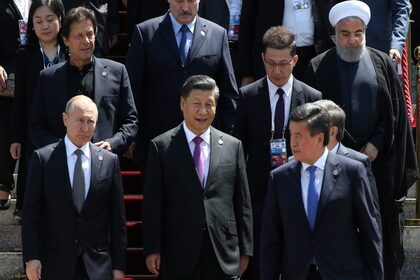
A potential anti-Quad formation of China, Russia, Iran and Pakistan is in the making, and can pose risks to the Quadrilateral Security Dialogue. However, a close analysis of China's bilateral relationship with each country shows that this is a flawed grouping, formed on limited common interests and rivalries.

sanctions and counter-sanctions Courtesy: Shutterstock
15 July 2021

Sanctions and counter-sanctions

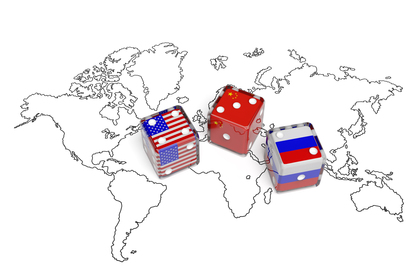
For years, Western countries have used sanctions as a means of economic warfare against their adversaries. Now, China and Russia are utilising the same tactic against the West. The United Nations Security Council is paralysed by differences between the five permanent members, leaving the tools of unilateral sanctions and counter-sanctions to proliferate at the cost of UN-approved multilateral sanctions.

uk's irregular indian migrants: a colonial redux Courtesy: Wikimedia Commons
2 June 2021

UK’s irregular Indians: Colonial carry-over

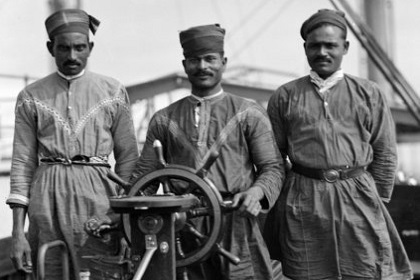
The early roots of the Indian diaspora in the UK are not about the storied success of the Hinduja brothers or celebrated economist Lord Meghnad Desai. Rather it lies in Indian sailors – the lascars – and the soldiers – faujis – of the World Wars, and the many hardworking labourers attracted to jobs in post-war Britain. These are very much the profile of most irregular Indian migrants in the UK today, many of them Sikh youth.

irregular indians in the UK: a conflicted issue Courtesy: Twitter | @DrSJaishankar
27 May 2021

Indian immigration to the UK: still conflicted

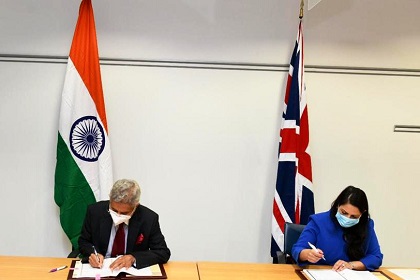
UK Prime Minister Boris Johnson is in India, seeking a trade deal, and promising immigrant visas. The UK wants more Rishi Sunaks but the simmering issue is about irregular migrants from India, low-skilled labour whose numbers are still disputed by both countries. While a free trade agreement may still be signed, it will likely not address this problem, leaving thousands of Indians undocumented in the UK.

international criminal court: jurisdiction over non-members Courtesy: Shutterstock
8 April 2021

The ICC’s jurisdiction conundrum

On 3 March 2021, the Office of the Prosecutor at the International Criminal Court (ICC) at the Hague, commenced an official investigation into Israel and Palestinian Armed Groups' alleged war crimes committed in the occupied territories of Palestine since July 2014. Palestine, which referred the case, is a member of the ICC, but Israel is not. Does the ICC have any jurisdiction in these cases? Will US support for Israel play a role? The three instances in the table show precedents in similar matters.

Junagadh_Map-01 Courtesy: Gateway House
24 August 2020

Pakistan should drop Junagadh claim

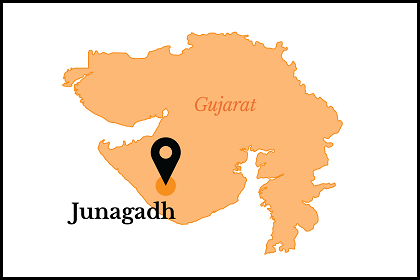
Pakistan’s recent claims on Junagadh is a response to its frustration that the big powers and Islamic world have failed to respond to India’s unilateral action in revoking Article 370 and incorporating Ladakh and Kashmir under New Delhi’s federal control. But the continuing claim is only damaging to Pakistan’s cause.

SanctionsCoverV2-04 Courtesy: Gateway House
30 April 2020

Can sanctions solve the Pakistan problem?

The shifting geopolitics of the COVID19 crisis might be an opportune time for India to consider new strategies for managing and curtailing Pakistan’s military aggression in the future. One policy tool used effectively by other countries is the imposition of economic sanctions. India needs to devise a comprehensive, multi-pronged approach.

india sanctions pak Courtesy: Gateway House
30 April 2020

Devising an Indian policy on Sanctions for Pakistan

India must consider new strategies that can be put in place to manage Pakistan's ongoing military aggression and security threat. One policy tool that has been used effectively by many countries but remains unexplored by India is the imposition of sanctions. This paper analyses the feasibility of imposing sanctions on Pakistan and the strategies India should consider to execute this effectively. It makes recommendations on how to establish a legal framework, amend existing laws, include Indian stakeholders with business interests in Pakistan, get government departments to collaborate on implementation, and considers diplomatic measures India can undertake.