bhatia hp hq Courtesy: Routledge India
10 February 2022

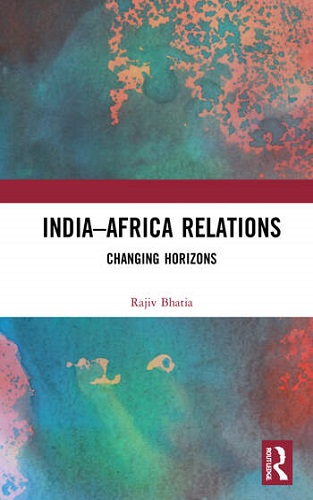
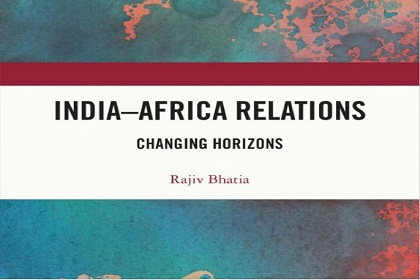
India-Africa Relations: Changing Horizons

Nearly two decades since the launch of the India Development Initiative, India-Africa relations have evolved. This book by Rajiv Bhatia, a former high-ranking IFS officer, takes a deep dive into Indo-African engagement. Bhatia outlines the history and presents concise yet informative capsules of India's relationship with individual African countries. It is a useful roadmap for companies looking to do business there.
myanmar coup financial times Courtesy: Financial Times
3 February 2022

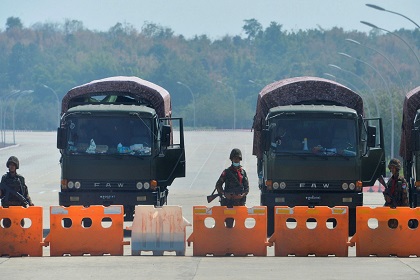
Myanmar’s ‘annus horribilis’

It has been a year since the democratically elected Myanmar government was overthrown in a military coup. Since then, economic instability and the pandemic have taken a toll on the nation. ASEAN's mediatory endeavours and Western sanctions have shown limited results. New Delhi's diplomacy must support ASEAN, while remaining pragmatic and protecting its interests in the country.

myanmar india newsclick Courtesy: NewsClick
27 January 2022

National Security Conversation: India-Myanmar relations

Foreign Secretary Harsh Vardhan Shringla's visit to Myanmar has implications for New Delhi's recognition of the new military government in Naypyidaw. India can support ASEAN to stabilise Myanmar, while also checking Chinese influence in that country. For stability in the neighbourhood is crucial to India's own security.

india central asia Courtesy: ANI
25 January 2022

Quantum leap forward with Central Asia

India hosted a summit with five Central Asian states on January 27, marking 30 years of diplomatic relations with the region, and an important step forward to pursue greater connectivity between India and Central Asia. New Delhi's engagement holds promise for ambitious bilateral agendas including security in Afghanistan, the revival of dormant projects, and potential collaboration in renewable energy, space and information technology.

Two,States,Flags,Of,India,And,Myanmar.,High,Quality,Business Courtesy: Shutterstock
13 January 2022

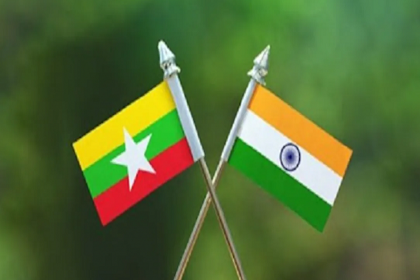
Tapping India’s high equity in Myanmar

Last month, an Indian delegation led by Foreign Secretary Harsh Shringla, visited Myanmar and met with the military leadership. Bilateral discussions prioritised border security, economic cooperation and refugee issues. New Delhi must carefully balance its relations with Naypyitaw, with a dual focus on cross-border projects and restabilising democratic rule in the country.

bhatia cover Courtesy: Routledge India
4 January 2022

India-Africa Relations: Changing Horizons

India has a long-standing and unique relationship with Africa. However, China's presence and influence has resulted in geopolitical competition, with the two Asian nations vying to expand and deepen their engagement with Africa. Beijing's footprint is considerable, with a long-term strategic objective. To strengthen ties with the continent, New Delhi must match Beijing's ascendancy and lay down mutually beneficial goals. The excerpt from this expansive book on Indo-African engagement examines the Chinese presence in Africa, African agency in external partnerships and the importance of recognising African needs to devise better policies by competing nations.

Beautiful,National,State,Flags,Of,Myanmar,And,India,Together,At Courtesy: Shutterstock
23 December 2021

India’s delicate mission in Myanmar

Foreign Secretary Harsh Vardhan Shringla is on a crucial visit to Nyapitaw, meeting with the military government and opposition for the first time since the military coup this year. This is part of New Delhi's diplomatic agenda for Myanmar, which includes border management and striking a balance between strengthening democracy and supporting the military, amid dynamic regional geopolitics.

B097S3RBQP.01._SCLZZZZZZZ_SX500_ Courtesy: Penguin Random House India
16 December 2021

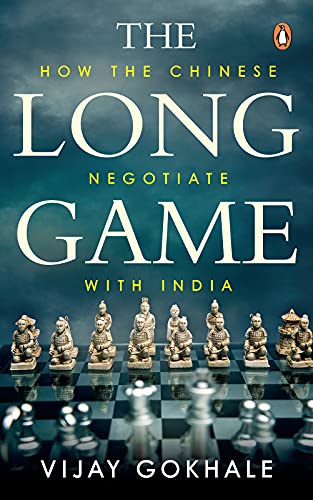
The Long Game: How The Chinese Negotiate With India

In six concise case studies, Vijay Gokhale, former Foreign Secretary of India, demystifies the Chinese style of diplomacy. The reviewer says the book makes a compelling case for how the lack of diplomatic experience of newly independent India’s leaders enabled the Chinese Communist leadership to outmatch and outmaneuver them in the early years, despite the latter playing a relatively weak hand.