Modi_mug shot_1 Courtesy: narendramodi.in
6 February 2015

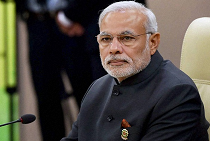
Budget 2015: accelerating tranformation

Looking at India through the lens of business transformation, Prime Minister Modi has taken a bold step to change the country's behavioural DNA, but the country also requires bold policy decisions and visionary reforms in the upcoming budget. Only then can there be real change and transformation in the Indian economy

WEBANK-151623_copy1 Courtesy: Wanted China
4 February 2015

China’s ebanks: a new regime

WeBank, China’s first online-only bank has been launched with great expectations. It can potentially reform the country’s mismanaged financial sector by opening up credit to private SMEs and prove a model for other developing countries.

Hands_Modi-Obama Courtesy: http://photos.state.gov /libraries/america/3239/
23 January 2015

India-U.S. BIT: not a done deal yet

India is revising the model draft agreement of its existing bilateral investment treaties. Some of the new clauses are unlikely to be accepted by either U.S. negotiators or U.S. corporations without substantial dilution

US Dollar Courtesy: wikimedia.org
9 January 2015

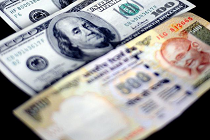
Those risky FIIs again

Global markets stumbled across all asset categories in the first two weeks of 2015. With the domestic economy showing signs of improvement, structural improvements are now needed to shield the Indian economy from such shocks

India-Africa Courtesy: MEA/Government of India
9 January 2015

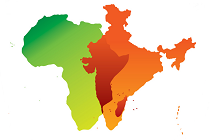
Indian banks in Africa: change agents

India’s engagement with Africa currently is trapped in a discourse from another era. With a change in governance structures and demographics, African countries are keen to elevate the level of trade and investment ties. India is in an advantageous position due to historical linkages but China and the U.S. are already ahead in the game

Bolsa Familia Courtesy: globalsherpa.org
2 January 2015

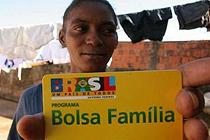
Decoding conditional cash transfers

The Indian government has undertaken a massive financial inclusion scheme to bring bank accounts to the poor. But poverty alleviation needs to be addressed at multiple levels for which the Latin American example of using targeted and customised conditional cash transfer programmes can help India

Fidel Castro with Nixon Courtesy: Getty Images
19 December 2014

Cuba: end of isolation

The U.S. has finally ended its outdated policy of isolating Cuba. It is a triumph for the proud and courageous Cubans who have withstood so many overt and covert destabilisation attempts by the U.S. It is also a victory for Latin America which has opposed the U.S. embargo and advocated normalization of relations with Cuba

Xi_Modi Courtesy: Narendra Modi (wikimedia.org)
27 November 2014

China’s connectivity tips for India

A major theme at the multilateral summits this month was connectivity, with China at the forefront. India is trailing behind due to a shortfall in investment and political will, among other factors. Prime Minister Modi must follow up on his meetings at the SAARC Summit by robustly taking forward India’s connectivity agenda

Dilma-Rousseff Courtesy: Newscom.com
13 November 2014

Rousseff reelection: lower expectations

The reelection of President Dilma Rousseff means continuation of the slow growth of the Brazilian economy and a lower likelihood of much-needed, major political and economic reforms. India should lower its expectations on a global partnership with Brazil

michaelfroman Courtesy: wikimedia
11 November 2014

How fair is America’s ‘fair trade’?

There is a sense in Washington that if the U.S. is not tough with India, it will send a wrong signal to other countries. But the ongoing investigations by the Obama administration into India’s IPR regime and trade practices have become an unpleasant part of doing business with America