Those risky FIIs again
Global markets stumbled across all asset categories in the first two weeks of 2015. With the domestic economy showing signs of improvement, structural improvements are now needed to shield the Indian economy from such shocks

 Courtesy: wikimedia.org
Global markets stumbled across all asset categories in the first two weeks of 2015. With the domestic economy showing signs of improvement, structural improvements are now needed to shield the Indian economy from such shocks
 Courtesy: MEA/Government of India
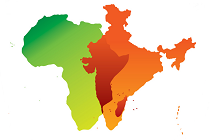
India’s engagement with Africa currently is trapped in a discourse from another era. With a change in governance structures and demographics, African countries are keen to elevate the level of trade and investment ties. India is in an advantageous position due to historical linkages but China and the U.S. are already ahead in the game
 Courtesy: globalsherpa.org
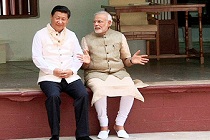
The Indian government has undertaken a massive financial inclusion scheme to bring bank accounts to the poor. But poverty alleviation needs to be addressed at multiple levels for which the Latin American example of using targeted and customised conditional cash transfer programmes can help India
 Courtesy: Narendra Modi (wikimedia.org)
A major theme at the multilateral summits this month was connectivity, with China at the forefront. India is trailing behind due to a shortfall in investment and political will, among other factors. Prime Minister Modi must follow up on his meetings at the SAARC Summit by robustly taking forward India’s connectivity agenda
 Courtesy: Newscom.com
The reelection of President Dilma Rousseff means continuation of the slow growth of the Brazilian economy and a lower likelihood of much-needed, major political and economic reforms. India should lower its expectations on a global partnership with Brazil
 Courtesy: wikimediacommons
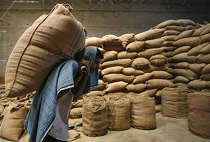
India faces heightened geoeconomic risks as the U.S. exits its unconventional monetary policy and the value of the dollar appreciates against major currencies. We can mitigate the risks with a multilateral safety net to provide liquidity, and by attracting FDI through the ‘Make in India’ programme
 Courtesy: wikimedia
India’s decision to block the Trade Facilitation Agreement at the World Trade Organisation in July was perplexing; the confusion was compounded because India was almost alone in its position. This policy perspective explains the reasons for India’s curious stand
 Courtesy: Wikipedia
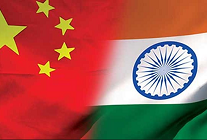
The trade deficit and border issues have usually overshadowed the public discourse between India and China. However, below this surface, bilateral business and financial engagement is growing. India will have to engage judiciously with China to ensure that the resulting geoeconomic benefits remain in our favour
 Courtesy: Gateway House
Indian prime minister Narendra Modi's landmark visit to the U.S. in September 2014 was followed by U.S. President Barack Obama's historic visit to India this month. Anticipating a renewed partnership between the two countries, Gateway House, presents a research paper titled ‘The India-U.S. Partnership: $1 Trillion by 2030’ that advocates a different path for the India-U.S. bilateral from all others, one that will help deepen economic relationship with the U.S.
 Courtesy:
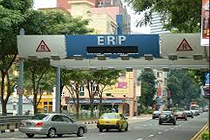
By using information and communication technology innovatively, Singapore has overcome the challenges of limited size and resources. There are many lessons here for India which is collaborating with Singapore on the Smart Cities project – especially when it comes to affordable housing and transport planning.