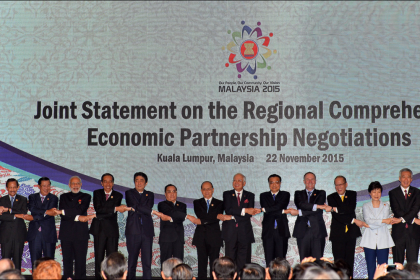
modi RCEP Courtesy: MEA / Flickr
26 May 2016

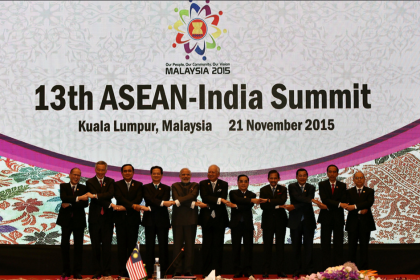
India’s five-cornered trade strategy

Five rather unfavourable trends define India’s trade performance over the past two years; these trends also provide useful pointers as to where India’s future trade strategy can go over the next three years as it deals with a global economic slowdown, the rise of megatrade agreements and a pivot to a more intensive trade relation with the U.S.
Modi IMF 2 Courtesy: IMF / Flickr
19 May 2016

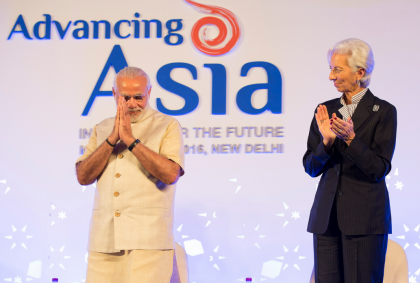
India’s role in a changing global economy

India must be fully engaged in the emerging G20-led international policy agenda being developed to deal with global structural weaknesses and raise public investment where fiscal space is available. India and other emerging markets offer higher investment returns---partly because of their demographics---and their deepening international integration makes them attractive.

TAGGED UNDER:

Modi Asean Courtesy:
12 May 2016

India’s Act East Policy so far and beyond

In two years, the Modi government’s Act East Policy has gone well beyond the focus on economic ties of its predecessor, the Look East Policy. It has made progress on many wider fronts, including connectivity and defence collaboration. India must now build on this success and further consolidate relations and trade links with ASEAN and beyond

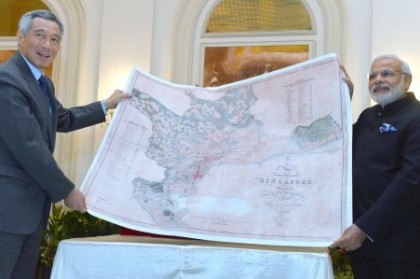
The Prime Minister, Shri Narendra Modi presenting a reproduction of a map of the island of Singapore dating back to 1849 to the Prime Minister of Singapore, Mr. Lee Hsien Loong, in Istana, Singapore on November 24, 2015. Courtesy: Wikimedia
19 April 2016

Defining & deepening India-Singapore partnership

India and Singapore elevated their ever deepening relationship to a strategic partnership last year. The two countries laid out an ambitious roadmap for expansion and diversification of bilateral ties. What drives this multi-layered bilateral relationship?

West_Texas_Pumpjack Courtesy: Wikipedia
13 April 2016

North America: petro state

The U.S. and Canada offer an opportunity for India to acquire large scale oil and gas fields in politically stable countries at a low price. A financial investment in energy companies will protect India against a rise in energy prices without raising concerns in host countries.

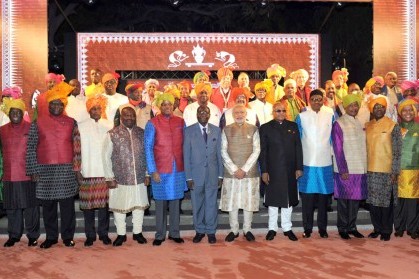
The Prime Minister, Shri Narendra Modi with the African leaders during the special dinner hosted, on the sidelines of the 3rd India Africa Forum Summit, in New Delhi on October 28, 2015. Courtesy: MEA / Flickr
31 March 2016

Africa: diplomatic flavour of 2016?

India has hosted a plethora of India-Africa conferences, expressing commitment to deepen mutual cooperation. It is further expected that the president, vice president, and prime minister may visit Africa this year, to follow up actively. Indeed, a senior official predicts Africa will even become “the diplomatic flavour in 2016”. An analysis.

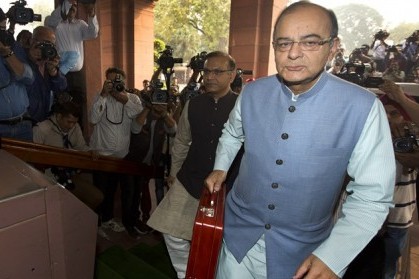
Indian Finance Minister Arun Jaitley arrives at parliament house to present federal budget 2016-17, in New Delhi, India, Monday, Feb. 29, 2016. It was Jaitley’s second full budget since Prime Minister Narendra Modi won a huge majority in national election in 2014, on the back of promises to turn around the economy and boost job creation. There have been few sweeping reforms in the past two years that the government has been promising. (AP Photo/Manish Swarup) Courtesy: AP
17 March 2016

Budget 2016: the challenge begins now

Two weeks after Finance Minister Arun Jaitley announced the Union Budget 2016-2017, it continues to be a hotly discussed topic. This pro-farmer budget has laid down great plans, but in a nation where Mars Missions and farmers suicides occur simultaneously, aspirations will have to take a backseat until the way forward has been paved.

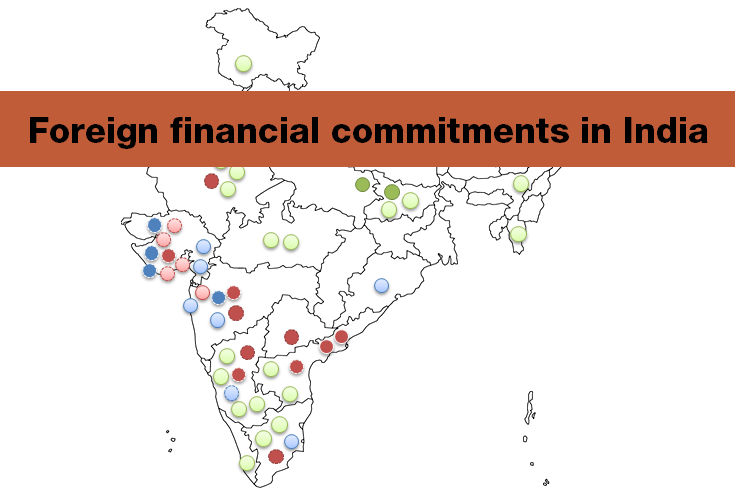
Foreign financial commitments in India Infographic-March 2016 - Copy Courtesy: Gateway House
16 February 2016

Foreign visits beget foreign investments

Prime Minister Narendra Modi’s extensive foreign visits have drawn $214 billion in new investment commitments into India. Gateway House has meticulously tracked these financial commitments, which have come from three sources: foreign government investments, private foreign investments and multilateral investments.