2 (8) Courtesy: ANI
11 February 2026

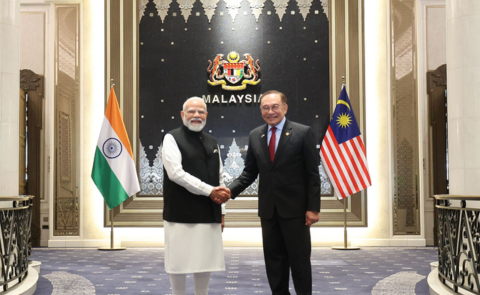
Modi brings momentum with Malaysia

From 7-8 February, Prime Minister Narendra Modi visited Malaysia to review the current state of bilateral ties and explore new avenues of cooperation. The focus was to deepen and diversify the economic dimension of the engagement. Two factors will help achieve this: Malaysia’s role in the ASEAN–India Trade in Goods Agreement review, and India’s enhanced negotiating weight following the signing of recent Free Trade Agreements. Both sides must now translate intent into action.
News on Air (4) Courtesy: DD News
29 January 2026

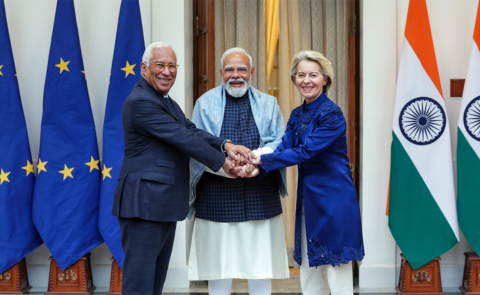
The European pivot to India

By signing the EU-India Free Trade Agreement on January 27, the ties that bind India and the European collective have been re-energised. They are now set to reach new heights, while overcoming past hesitations and divergences.

Website articles  (28) Courtesy: High Commission of India, Colombo
15 January 2026

Leveraging Indian aid for cyclone-hit Sri Lanka

Cyclone Ditawah has put a serious dampener on Sri Lanka’s rosy post-budget economic outlook. Sri Lanka can help itself by using available national resources, but India can help too, by partnering with multilateral development banks to manage the post-Cyclone Ditwah reconstruction implementation strategy. It can also share its experience of implementing gradual economic reforms and policy planning under Niti Ayog to support Sri Lanka’s efforts.

@narendramodiX Courtesy: @narendramodi/X
18 December 2025

Ethiopia is a key ally in Africa

Ethiopia's importance as an African country that has played a vital role in advancing the vision of African unity and integration, and as a nation that killed its own demons of dictatorship to emerge as a successful democracy, is remarkable. In this upgraded frame, Prime Minister Modi’s visit to Addis Ababa is significant, with India as a partner offering economic and technological engagement.

Getty (2) Courtesy: All India Radio News
9 December 2025

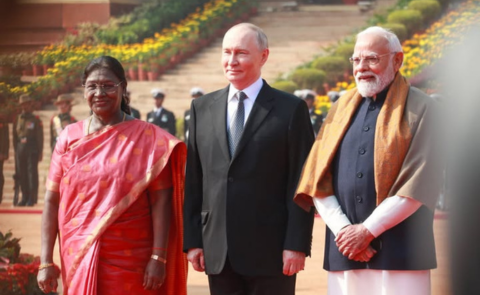
Putin’s visit sends a signal

India and Russia have a time-tested relationship, which was evident during President Putin's state visit to New Delhi last week. Its success lay in the warmth the leaders of the two countries share and in its timing: geopolitically, just after discussions of the U.S. and China as the G2, and commercially and strategically, at a time when India’s needs match Russia's capabilities.

Website articles  (12) Courtesy: Gateway House
27 November 2025

Stepping up Kirby-Packer-Murdochs’ India legacy

Several Australian families and companies have had a deep impact on India, since the early days of its economic reformation – from telecom to entertainment. Now, with the two countries enjoined by a comprehensive bilateral trade agreement, it’s time to step it up and deepen common agendas on hard issues, from regulation on big tech to entertainment ecosystems to sports and stadium management.

Founding India’s  Gateway House Courtesy: Gateway House
26 November 2025

Founding India’s Gateway House

A former diplomat and a journalist came together in 2009 to build what would become Mumbai’s first foreign policy think tank – Gateway House. It is India’s first women-founded think tank, and among the few globally established by two women. In this conversation with Akshobh Giridharadas of USISPF, co-founders Manjeet Kripalani and Neelam Deo reflect on Gateway House’s origins and the epiphany that India needed to shape global conversations with its own perspective, one that extended beyond New Delhi.

Sri Lanka PMD Courtesy: Sri Lanka PMD
20 November 2025

A Growth Budget for Sri Lanka

After a remarkable recovery from a very deep crisis in 2022, Sri Lanka’s recent budget for 2026 consolidates economic stabilisation and introduces a few markers for further growth. But more needs to be done to embed a growth strategy and transform its economy to avoid further IMF austerity programmes.

Gateway House Courtesy: Telegrafi
6 November 2025

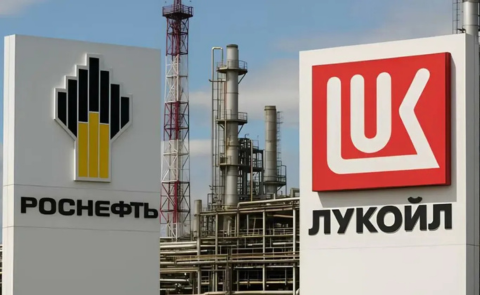
U.S. Sanctions on Russian oil giants

On October 22, 2025, U.S. President Donald Trump imposed sanctions on Russia’s oil giants, Rosneft and Lukoil. The move has clear geopolitical motives—to remove a major supplier from an oversupplied oil market. Indian oil companies, key buyers of Russian crude, now face pressure to cut imports, undermining India’s energy diversification and shaking global oil markets, including the U.S. economy.