China in IOR: ‘peaceful rise’ no more
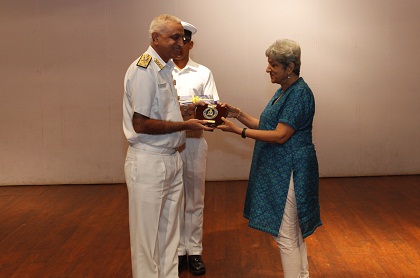
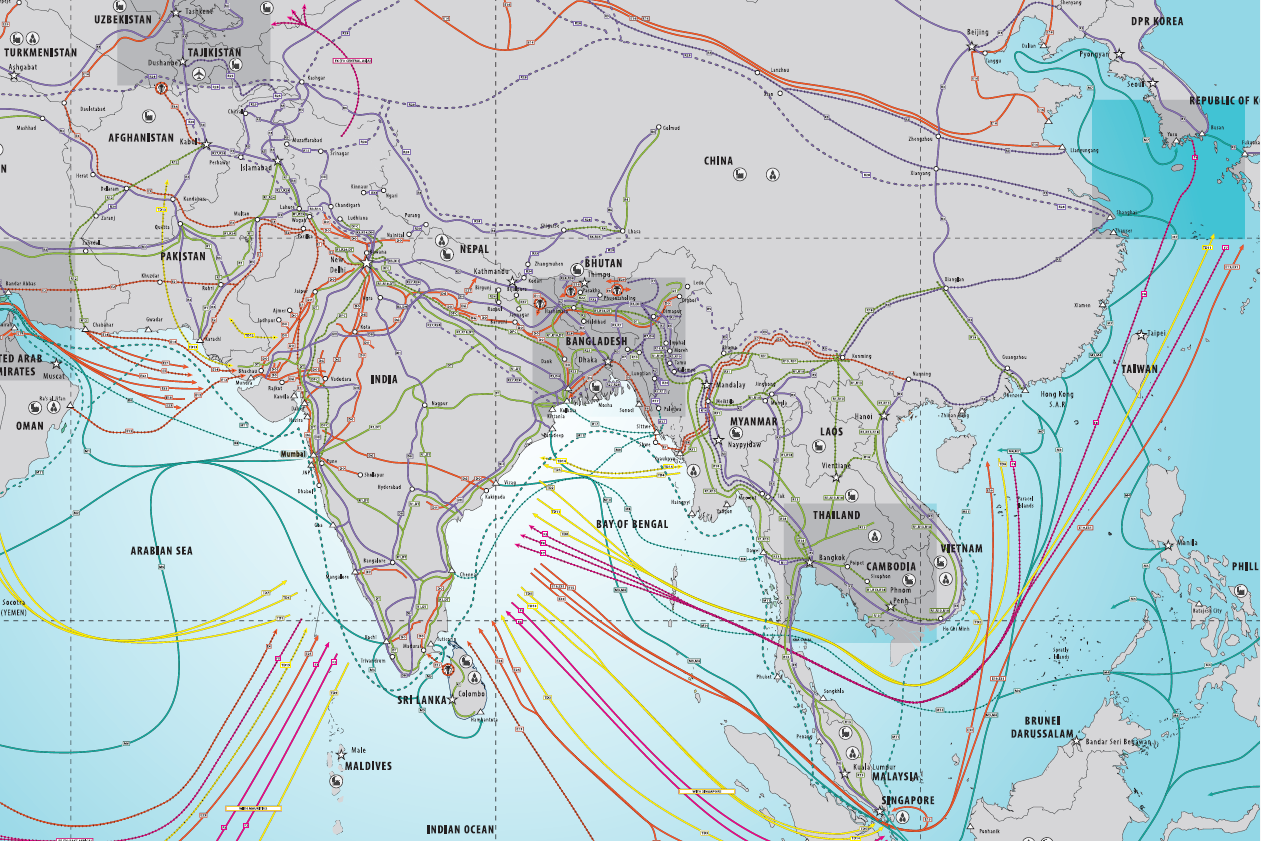
China has expanded its presence in the Indian Ocean Region. President Xi Jinping has abandoned Deng Xiaoping’s conciliatory posture for an aggressive, money-fuelled search for super power status

 Courtesy: Western Naval Command
China has expanded its presence in the Indian Ocean Region. President Xi Jinping has abandoned Deng Xiaoping’s conciliatory posture for an aggressive, money-fuelled search for super power status
 Courtesy: Mint
Government ownership of the Indian banking system has brought upon it a host of governance issues in the seven decades since independence: the Non Performing Asset crisis is a symptom of this, and clear indication that the system needs restructuring
 Courtesy: Pinterest
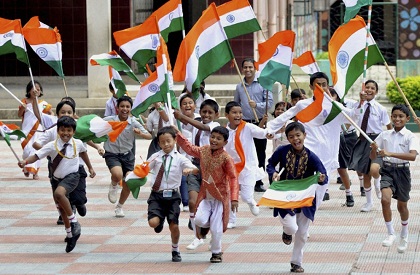
Modern India stands tall on August 15, 2017: over the past year, it has been seen as the fastest growing major country, macroeconomic stability has been re-established, and the GST implemented. Why, then, are so many stressing that India desperately needs reforms to its labour laws to keep the momentum going?
 Courtesy: Narendra Modi/ Flickr
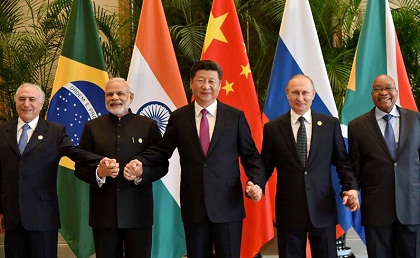
BRICS, which has always been committed to enhancing solidarity, is now entering its second decade – even as tensions between its two most consequential members remain unresolved and member states and other emerging markets are set to serve as “the main engine” of global growth
 Courtesy: Pixabay
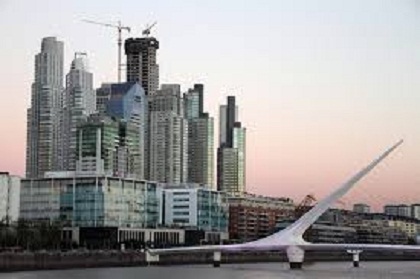
Once a laggard, Argentina is now a rising star in South America. Its economy is recovering, GDP growth is stable and financial reforms have taken hold. In 2018, it will host the presidency of the G20, its first step onto the global stage after over a decade in isolation. With Argentina’s G20 agenda fully aligned with India’s priorities, how can India gain?
 Courtesy: Gateway House
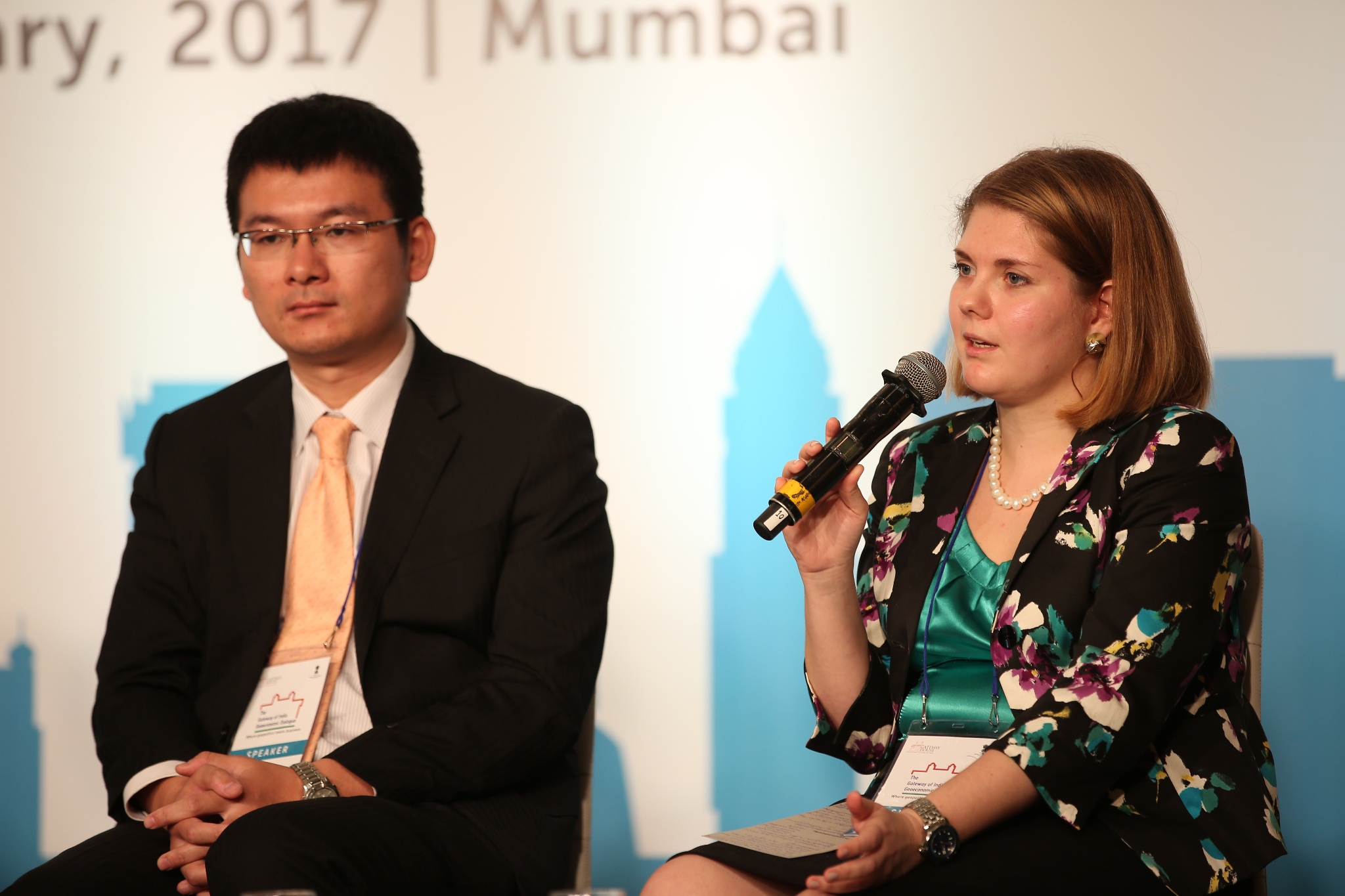
India’s global economic engagement, especially with the developing world, has increased in the last two decades, but trade with South Asia has remained low. It holds the potential for building greater productivity and more inclusive growth in India and the region
 Courtesy: Gateway House
In this interview Anastasia Likhacheva discusses the impact and a few of the positive externalities of the oil price drop, sanctions and counter sanctions on the Russian economy. Despite Trump’s obvious warmth towards Russia, she doesn’t foresee any major agreements signed between the two countries due to the roadblocks that can be placed by the U.S. Congress and the U.S. Senate. She further describes the role she sees Russia undertaking in Asian financial institutions like the NDB and the AIIB in the future.
 Courtesy: Wikimedia Commons
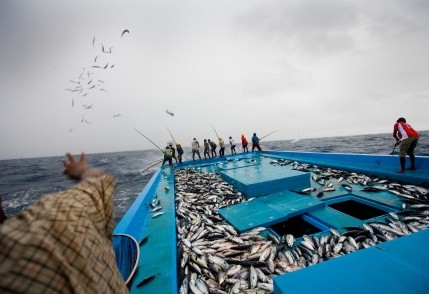
The first ever summit of the Indian Ocean Rim Association, to be held in Indonesia in March 2017, will cast light on how India and other like-minded nations can develop oceanic resources sustainably. This event offers scope for India to mould outcomes
 Courtesy: Gateway House
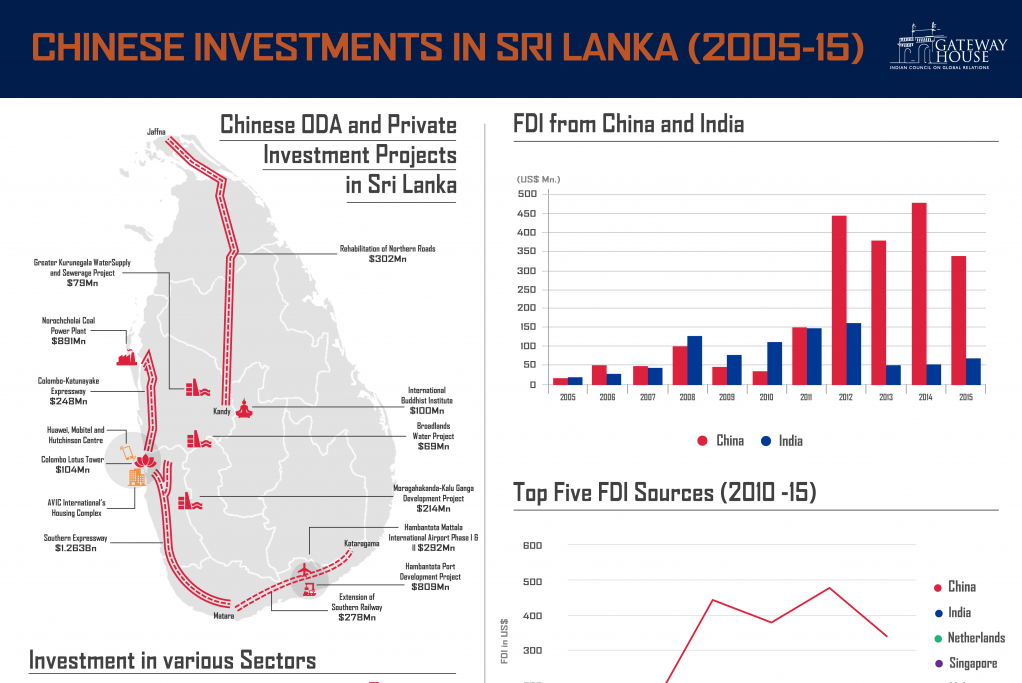
China is the largest investor in Sri Lanka today, with funding and investment of nearly $15 billion. Gateway House tracks the Chinese money trail to Sri Lanka-- where it lands, where it stays--and assesses its depth. This is the second in the Gateway House Series on Chinese investments in South Asia.
 Courtesy: Armstrong Economics
The global monetary and financial system is lopsided and designed to favour rich countries; an alternative economic and political doctrine, which takes into account the needs of emerging economies like India, must now be articulated to end this one-sided architecture