ClimateEngineering_GH_CIGI_Cover Courtesy: Gateway House & CIGI
28 February 2019

Making Terrestrial Geoengineering Technologies Viable: An Opportunity for India-Canada Climate Leadership

The use of terrestrial geoengineering techniques, such as carbon capture, is necessary to keep the rise in global temperatures below 1.5 degrees Celsius, as per the Paris Agreement’s targets. Terrestrial geoengineering is different from atmospheric climate engineering: the latter does not remove the very source of the increased greenhouse effect, which are anthropogenic greenhouse gases. India and Canada must collaborate on carbon capture and propose multilateral regulations for unethical atmospheric climate engineering


aashna-china Courtesy: Gateway House
14 May 2018

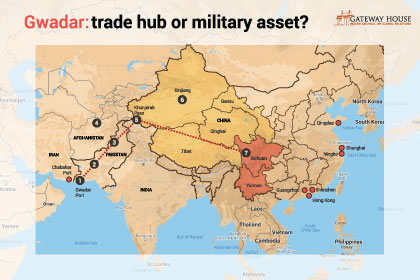
Gwadar: trade hub or military asset?

China’s ostensible intentions are to turn Gwadar port into a focal point of the China Pakistan Economic Corridor. But the geography of the region is a major stumbling block in the realisation of these ambitions and raises questions about the project’s underlying motives

Bin_Salman__Reuters_ Courtesy:
9 November 2017

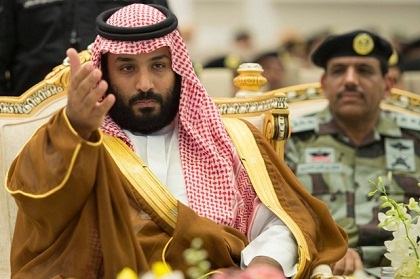
Saudi purge: Arab Spring 2.0?

The removal of 11 top ministers in the Riyadh government last week by the young crown prince Mohammad bin Salman, is a geopolitical upheaval, the implications are serious. Domestically, the kingdom is seeking to liberalise its conservative society and move away from oil-dependency – evident from the expected listing of its crown jewel Aramco. For India, which imports oil largely from West Asia, instability could cause a spike in prices, leaving less for its ambitious reforms. Globally, there is now space for new alignments – in the Great Power plays, in the Shia-Sunni rivalry, and in the war on terrorism.

16CHINATRUMP-facebookJumbo Courtesy: New York Times
13 July 2017

2016, the hinge year

Three epoch-making events in 2016 are continuing to have global repercussions. They were: Brexit, China’s rubbishing of the July verdict of the Permanent Court of Arbitration after it rejected its claims on disputed islands in the South China Sea, and Trump’s election. This article, the prologue to a book-in-progress, The Hinge Year – Geopolitical Dislocations and Dispersals, outlines how these events intersect with transformed geoeconomic realities

indias-global-energy-footprint Courtesy: Gateway House
14 February 2017

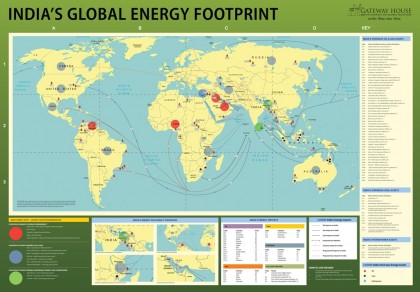
India’s global energy footprint

Trends in technology, geopolitics and geoeconomics have dramatically transformed the global energy scenario in the last two years. This means favourable conditions for import-dependent India, which must use the opportunities available to reduce its vulnerability to high energy prices. The jump in oil prices past the $60 mark suggests that India must act with alacrity. India’s Energy Footprint Map offers a profile of India’s global trade and investment in energy, and indicates what India can do to access cheap and reliable supplies