Turkey: Europe’s new gas hub?
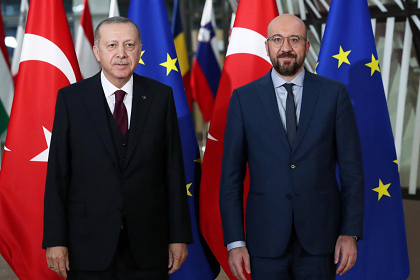
The Ukraine crisis has sent the EU scrambling for new gas supplies, generating fresh interest in gas pipelines from Central Asia and West Asia via Turkey. Practical difficulties make most of these new projects unviable.

 Courtesy: Reuters
The Ukraine crisis has sent the EU scrambling for new gas supplies, generating fresh interest in gas pipelines from Central Asia and West Asia via Turkey. Practical difficulties make most of these new projects unviable.
 Courtesy: Shutterstock
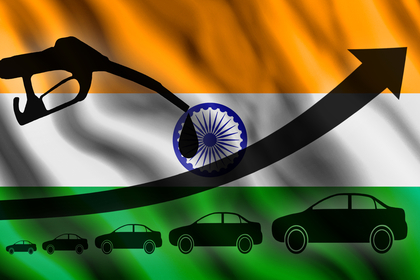
India’s oil consumption and imports are likely to resume their upward trajectory as the economy opens up, after a temporary drop due to the pandemic. To secure its energy needs, the country should shift course from investing in oil and gas assets of emerging economies to those of developed nations. The oil-rich Organisation for Economic Co-operation and Development (OECD) countries, such as Canada, Norway, and the U.S. can be given special consideration.
 Courtesy: Shutterstock
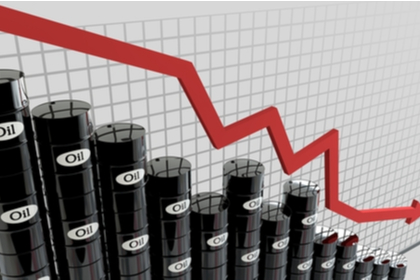
The OPEC’s proposed cut in oil production earlier this week may not enable the energy market to recover. Recovery is likely only after COVID-19 is brought under control, but there are ways India can capitalise on the current low oil prices for its own energy security
 Courtesy: Victor Dubreuil / Wikipedia
The GCC finds itself engulfed by a perfect storm – due to the oil price fall and the re-emergence of Iran on the world scene. While the GCC is forced to undertake politically challenging reforms and confront the regional challenge of Iran, there lies a great opportunity for India to strengthen their economic as well as security ties.
 Courtesy: http://photodivision.gov.in/
Last week, petroleum prices reached a five-year low, and the fall is likely to last as new production and alternative sources enter the market. India, which has a huge petroleum products bill, now has a chance to shock-proof its economy, diversify dependence away from West Asia, and become energy-efficient
 Courtesy: wikimedia
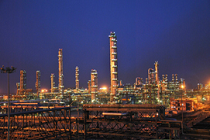
The fall in oil prices is creating new complexities for the energy exporting economies of West Asia. With smaller profits, these countries may not be able to buy off political dissent at home and fund client governments and rebels abroad. Lower energy prices could also mean a renewed chance for peace
 Courtesy: wikimedia\commons
The growing ISIS-driven violence in Iraq highlights India’s vulnerability to the turmoil in West Asia: we heavily depend on the region for our energy. To insulate the country’s energy security from the upheavals, India must urgently diversify its sources and types of fuel, and develop its own energy ecosystem
 Courtesy: Google Maps
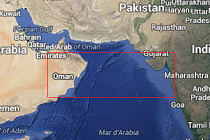
An underwater gas pipeline project connecting Oman with India’s west coast is being resurrected. Several factors explain the renewed interest, including the relaxing of sanctions against Iran and India’s need to counter-balance geopolitical and security considerations dogging other land-based projects
 Courtesy: counting chest bullets/Flickr
In recent years, U.S. oil and gas imports have declined due to the development of shale resources in the country. How will the production of shale oil, increase in oil production by non-OPEC countries, supply disruptions in West Asia and economic growth in India and China impact global crude oil prices?
 Courtesy: The White House
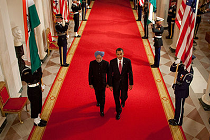
Apart from bilateral ties, also at play at the India-U.S. Strategic dialogue is the difficult triangulation in India’s relations with the U.S. and Iran. It does not serve India to get enmeshed in the U.S-Iran confrontation. Instead, the relationship must develop on the basis of realpolitik and mutual interest.