_96278695_6dce5a47-502a-4f67-95ff-17f4295e53c8 Courtesy: BBC
21 September 2017

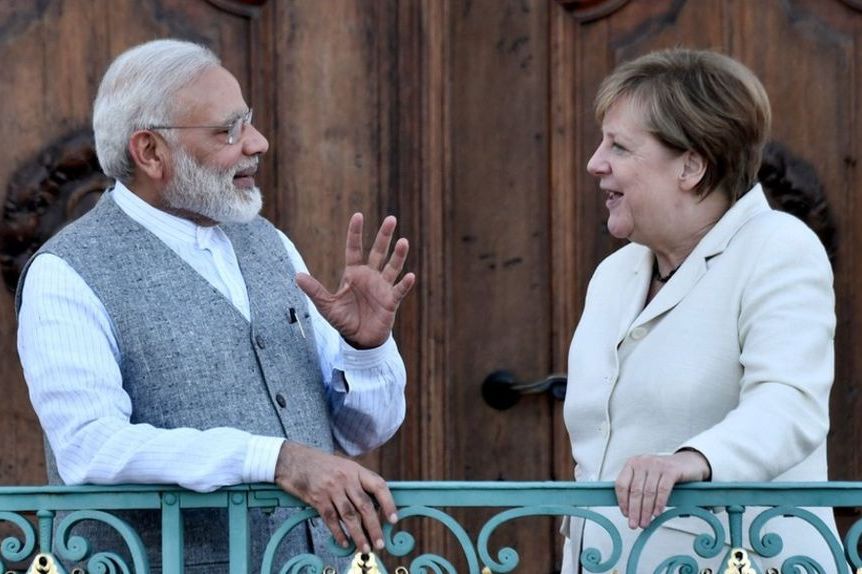
India, Germany and Africa: the new priority

Germany and India have revealed a dual priority for Africa: creating opportunities for prosperity and promoting stability. For both, these are uncharted waters and represents a shift in the locus of global dynamism, away from an Anglo-Saxon world order to a more diverse yet potentially fissiparous one
3W7A0205 Courtesy: Gateway House
14 February 2017

Market based strategies for renewable energy projects

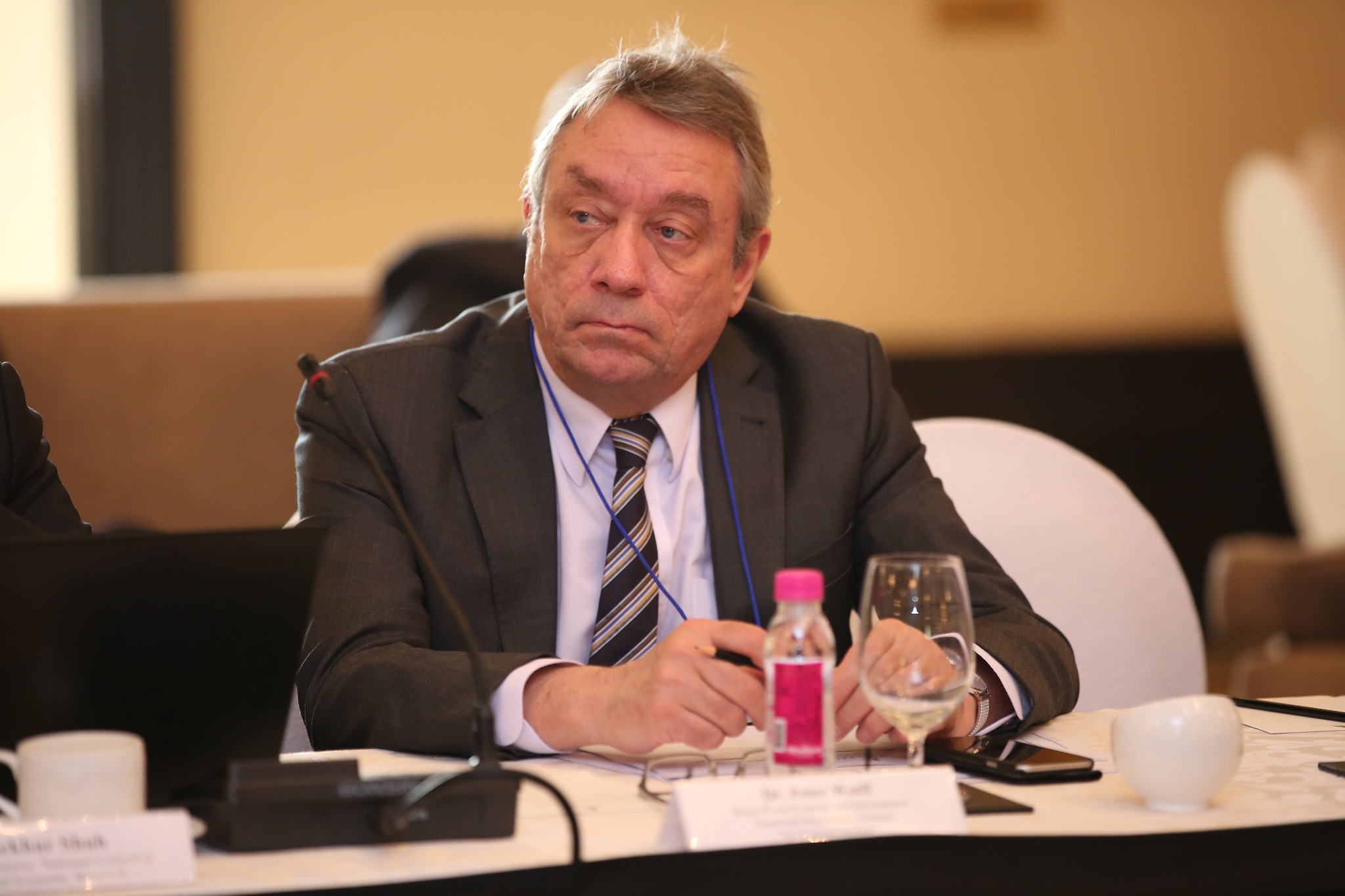
In his interview, Dr. Peter Wolff discusses the pillars and objectives of Germany's Marshall Plan for Africa and the need to integrate it into the global value chain. In the sphere of renewable energy, he argues that the most effective way of establishing a solid renewable sector is through market based strategies rather than government based ones. Although in some industries public private partnerships are the best measure, in others a more corporate lead approach is better.

GH_Demonetisation_Web-724x1024 Courtesy: Gateway House
24 November 2016

Demonetisation around the world

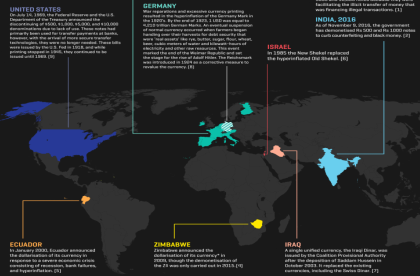
Prime Minister Narendra Modi's announcement on November 8 to demonetise notes of the denomination of Rs 500 and Rs 1000 has a precedent. This infographic traces some interesting demonetisation initiatives around the world. From discontinuation of high denomination notes due to lack of circulation, to the use of beer and water as 'real assets' in place of hyper-inflated currency.

_89083411_89083410 Courtesy: BBC
26 May 2016

International credibility in a domestic crisis

At present, South Africa finds itself charting political and economic policy uncertainties. This is not to suggest that the domestic political crisis will see different trajectories unfolding with regard to its BRICS/IBSA engagements, or on a broader foreign policy path, but it will have repercussions at the international level, in terms of investor confidence, credit ratings, and currency volatility. Pretoria will face constant pressure to be seen as a credible actor, especially when it comes to its African identity.

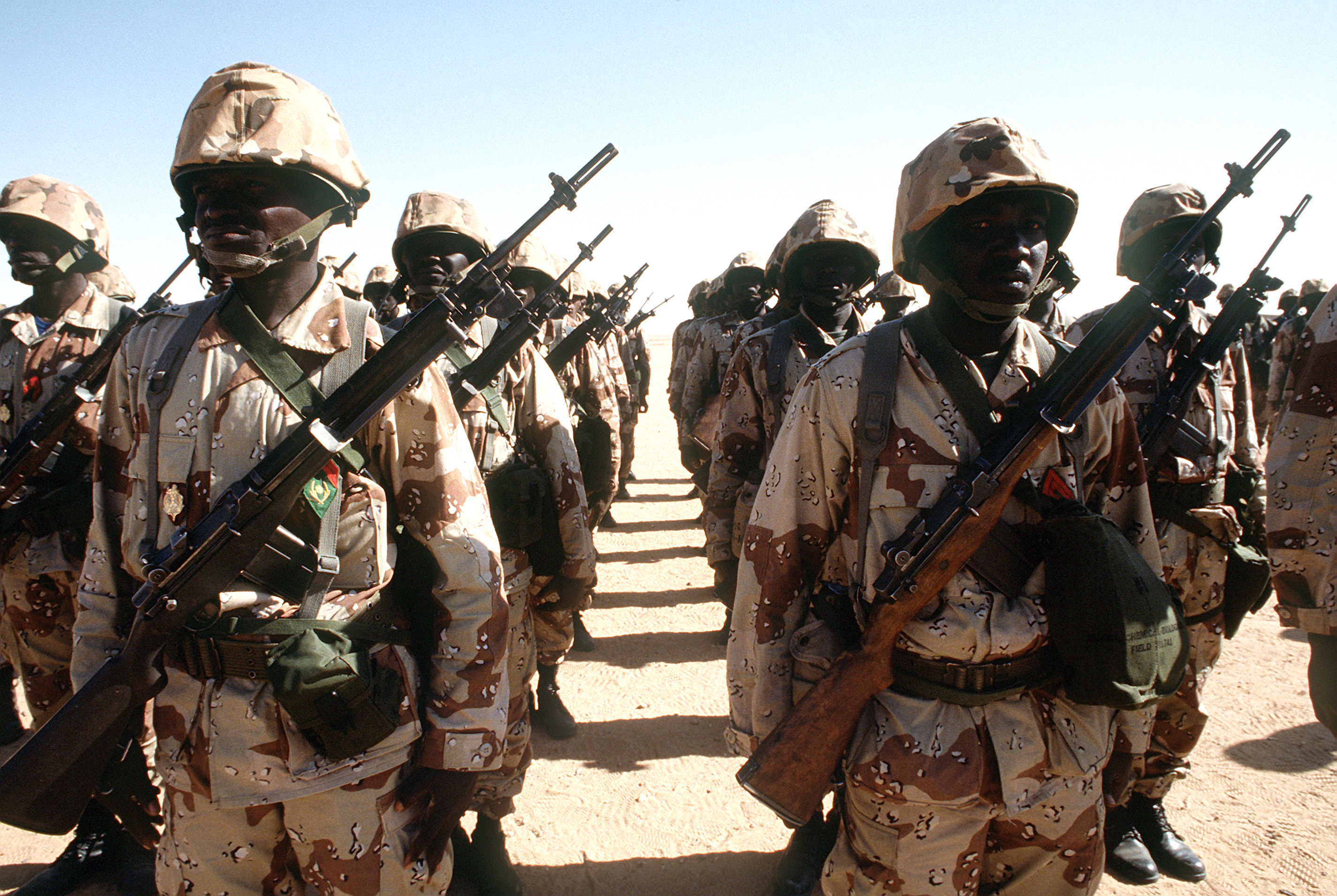
Soldiers in a Niger army unit stand in formation while a dignitary visits their outpost during Operation Desert Shield.  The men are armed with M-14 rifles. Courtesy:
20 January 2016

A new fault line in Nigeria

A recent confrontation between the Nigerian army and the Islamic Movement of Nigeria has rekindled the state’s tensions with its Shia citizenry. However, Nigeria should pay heed to its own contemporary history of the armed crackdown on an obscure religion sect that led to the birth of Boko Haram, and exercise caution while dealing with minority groups.

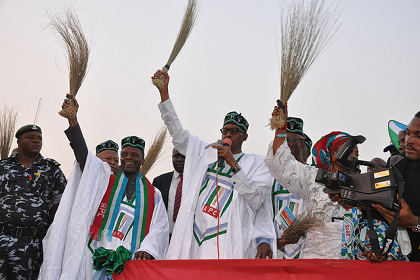
Buhari victory Courtesy: Heinrich-Böll-Stiftung/Flickr
9 April 2015

Time for hope and healing in Nigeria

On 29 May, Buhari was sworn in as the next president of Nigeria, ending the presidency of Goodluck Jonathan. The mandate for Buhari indicates that Nigerians want a firmer hand in dealing with corruption, regionalism, and insurgency. It is now Buhari’s task to fulfil these hopes

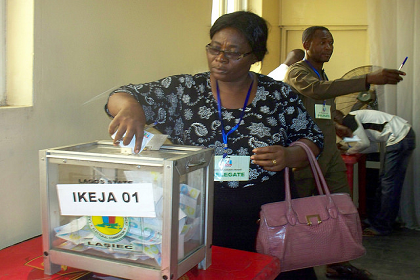
NIgeria elections Courtesy: Flickr/Heinrich-Böll-Stiftung
25 March 2015

Nigeria: a precarious election

The upcoming Nigerian elections is set to be a defining one for the country. Rampant corruption and the terrorist threat from Boko Haram have dampened the economic and social climate. The world is watching keenly as for the first time in a decade it is unclear which party will emerge victorious