shutterstock_1091235845 Courtesy: Shutterstock
15 October 2020

UN: Necessary but reformed

The UN turned 75 this year but instead of grand celebrations, the world witnessed an empty UNGA with world leaders addressing it via video screening because of the pandemic. The UN is under unprecedented stress and being shown up for its inability to tackle the challenges of today like the pandemics, climate change, terrorism or global peace and security. The institution's key governing structures, especially the UN Security Council, are inadequate and demand reform. India must now use gritty resolve to ensure its place in these governing structures.
18571132430_2b3b04c7c9_e Courtesy: Flickr
27 August 2020

Pakistan’s international terrorist hall of fame

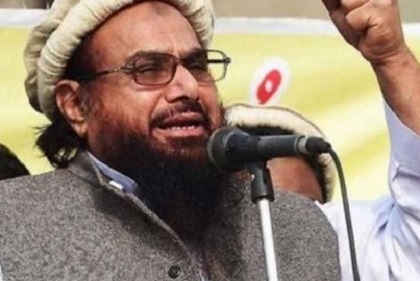
On 18th August, Pakistan announced wide-ranging restrictions on prominent anti-India terrorist leaders. These steps are clearly aimed to prevent Pakistan from slipping into the black list of the Financial Action Task Force, where Pakistan is already grey-listed. Their implementation remains key as in the past, Islamabad's global anti-terrorism commitments have been abandoned once global scrutiny of its support to terrorist infrastructure, decreases or is distracted.

shutterstock_1767656477 Courtesy: Shutterstock
9 July 2020

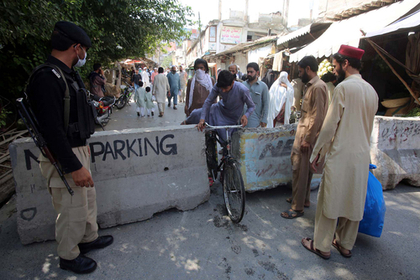
Pakistan: between COVID-19 and China

Pakistan is suffering from a gravely mismanaged COVID-19 crisis and is under pressure from China to fulfil its commitments to the CPEC. Using COVID-19 as a cover, Pakistan is able to continue shirking its global responsibilities especially on containing terrorism. What does this mean for India, and for Pakistan’s own future?

SanctionsCoverV2-04 Courtesy: Gateway House
30 April 2020

Can sanctions solve the Pakistan problem?

The shifting geopolitics of the COVID19 crisis might be an opportune time for India to consider new strategies for managing and curtailing Pakistan’s military aggression in the future. One policy tool used effectively by other countries is the imposition of economic sanctions. India needs to devise a comprehensive, multi-pronged approach.

shutterstock_1655303551 Courtesy: Shutterstock
5 March 2020

Hype & substance in Trump’s visit

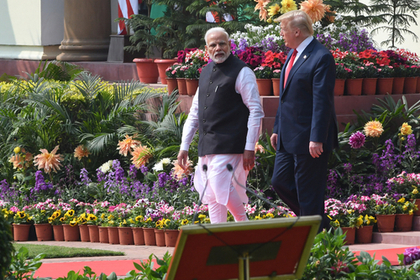
President Trump enjoyed every moment of the hype that attended his February 2020 visit to India, says Ambassador Neelam Deo, Director and Co-founder of Gateway House, in this podcast, even as the focus was on concrete outcomes, such as defence purchases and oil procurement deals. She discusses the geopolitical implications of a closer India-U.S. strategic relationship and the weaknesses of the U.S.-Taliban peace deal

shutterstock_716498572 Courtesy: Shutterstock
27 February 2020

The 2020 retreat from Kabul

The signing of an agreement between the U.S. and the Taliban on February 29 may result in the withdrawal of U.S. troops from Afghanistan, which is contingent upon the Taliban’s adherence to certain conditions. The end of the West’s 19-year-long Afghan campaign – if Pakistan does not turn spoiler – is of vital interest to India