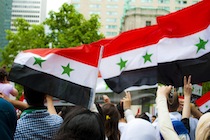
human rights Courtesy: Flickr/tao_zhyn
1 June 2012

Rethinking human rights

The failure of Western military interventions to bring peace raises questions about the effectiveness of human rights and calls for its redefinition. Instead of stigmatizing non-Western democracies that do not necessarily support intervention, the West should initiate an inclusive dialogue with these countries.
seema nato summit obama Courtesy: Secretary of Defense/Flickr
23 May 2012

NATO-Pakistan: Frigid in Chicago

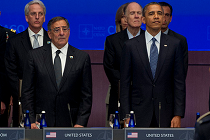
Pakistan’s refusal to re-open NATO supply routes into Afghanistan has made the country an instant pariah in the U.S. at the NATO Summit. The communiqué released confirms a withdrawal of 130,000 troops by as early as mid-2013. Can the remaining soldiers help maintain peace when a force much larger could not?

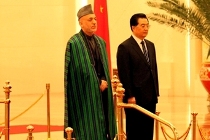
U.S.-Afghanistan agreement: A welcome start Courtesy: U.S. Department of Defense
27 April 2012

U.S.-Afghanistan agreement: A welcome start

An important take-away from the preliminary pact reached by Kabul and Washington is that unlike the 1990s, the Americans are not just packing their bags and leaving. This is good news in terms of regional stability, and the upcoming NATO summit may answer some questions this draft agreement raises.

5825395379_5d725a53f4_z Courtesy: Flickr/freeedomania
21 April 2012

UN: a return to ‘mandated colonialism’

By forcing regime change in Libya, and attempting the same in Syria, and by promiscuously arming disparate groups of Wahabbis and Salafists to achieve this aim, NATO is creating more room for instability in the region. What Syria needs is engagement, not isolation; it needs dialogue and not the arming of rebels.

monus wahhabi piece Courtesy: White House photo/WikimediaCommons
29 November 2011

NATO vs Shias: A geopolitical miscalculation

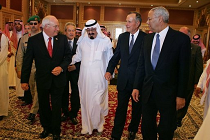
The Wahhabis, who now merit NATO backing, continue on their global mission of converting the Muslim Ummah to its relatively harsh and antediluvian ways of thinking and living. For NATO, this is a geopolitical miscalculation that will have tragic security consequences for the alliance within a decade.

Cleared for release by Joint Staff Public Affairs Courtesy: Chairman of the Joint Chiefs of Staff/Flickr
18 November 2011

The ISI: U.S. backers run for cover

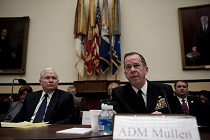
The 'double-dealing' of the U.S. and Pakistani army - all with the ambition of military dominance - has significantly aided various terrorist groups. After 26/11, there is no place to hide for the Mike Mullens and countless others who have been apologists for the Pakistan army and the state it controls.

bobs piece for 26,11 Courtesy: isafmedia/Flickr
18 November 2011

9/11 and 26/11: Are we any safer?

Last May, U.S. citizen David Headley confessed to being a spy for the Lashkar-e-Taiba. What no one has tackled yet is whether there are other Headleys out there whose actions threaten India, or any other country. Even with thousands of intelligence agencies scouting for terrorist activities, are we really safer?