China in IOR: ‘peaceful rise’ no more
China has expanded its presence in the Indian Ocean Region. President Xi Jinping has abandoned Deng Xiaoping’s conciliatory posture for an aggressive, money-fuelled search for super power status

 Courtesy: Western Naval Command
China has expanded its presence in the Indian Ocean Region. President Xi Jinping has abandoned Deng Xiaoping’s conciliatory posture for an aggressive, money-fuelled search for super power status
 Courtesy: MEA/ Twitter
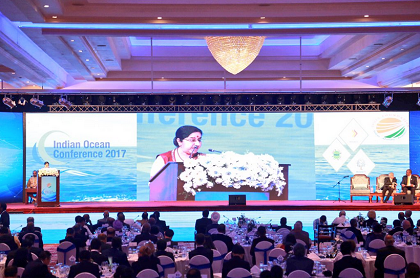
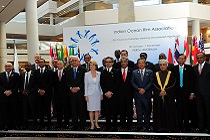
India must deepen its involvement with countries of the Indian Ocean Region on issues of security, commerce, and connectivity: this was the upshot of the second Indian Ocean Conference, held by the India Foundation in Colombo two weeks ago
 Courtesy: Wikimapia
The new global emphasis on the Blue Economy is attracting the interest of governments, development agencies, and more recently, social impact investors. A marked change from previous years is the increased participation of developing and coastal economies, which are its very beneficiaries
 Courtesy: Gateway House
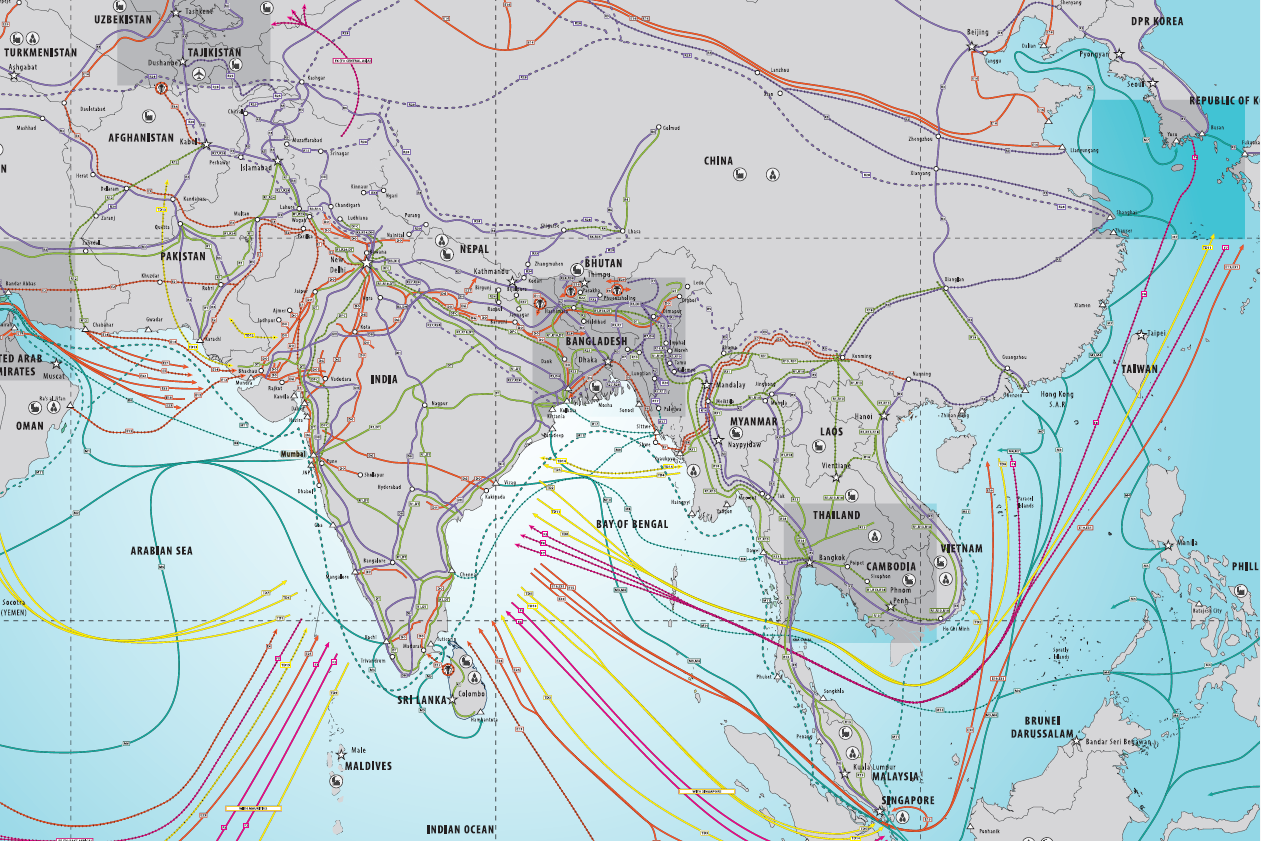
India’s global economic engagement, especially with the developing world, has increased in the last two decades, but trade with South Asia has remained low. It holds the potential for building greater productivity and more inclusive growth in India and the region
 Courtesy: Gateway House
The two decade-old Indian Ocean Rim Association holds its first ever summit next week. Maritime safety and security in the region is a paramount concern as also enhanced trade, but will the Blue Economy be included as a priority? Another area of concern is devising modalities for cooperation with dialogue partners, such as the United States, China and Japan
 Courtesy: Wikimedia Commons
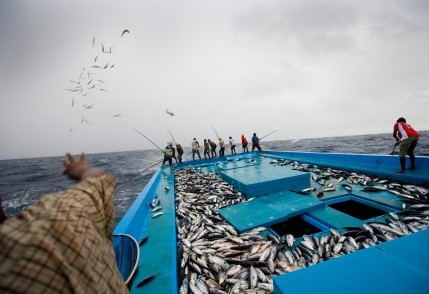
The first ever summit of the Indian Ocean Rim Association, to be held in Indonesia in March 2017, will cast light on how India and other like-minded nations can develop oceanic resources sustainably. This event offers scope for India to mould outcomes
 Courtesy: Wikipedia
Does India plan to remodel its Andaman & Nicobar Islands as a launching pad for future security operations to check growing Chinese inroads in the Indian Ocean Region? Development of the islands has long been ignored to India’s detriment, and their strategic position in the Indian Ocean, underutilised.
 Courtesy: Seaman James R. Evans/Wikimedia Commons
Australia is the second largest naval power among the Indian Ocean states and its submarine fleet represents its principal strategic force. Australia will be replacing its fleet with some of the largest and most capable conventional submarines in the world. Its decisions could hold important lessons for India
 Courtesy: generalising/Flickr
The India-Japan alliance needs to be viewed through a prism broader than that of "containing" China, and by treating the Indian and Pacific oceans as a single entity. Such an alliance has the potential to strengthen the geopolitical security of India and Japan, along with that of all their allies and associates
 Courtesy: Ministry of External Affairs, India
In the coming years, India’s greatest strategic challenge in the Indian Ocean region may not be the development of power projection but the quality of the strategic relationships that it can build in the region. The extents to which India will be recognised as a regional leader depend on these relationships.