Snapshots from the GLOBSEC Forum
The GLOBSEC Bratislava Forum’s annual conference this year saw discussions on technology take precedence over geopolitics. Experts pointed out the gap between the adoption of digital technology and managing its risks

 Courtesy: GLOBSEC 2018
The GLOBSEC Bratislava Forum’s annual conference this year saw discussions on technology take precedence over geopolitics. Experts pointed out the gap between the adoption of digital technology and managing its risks
 Courtesy: Euro News
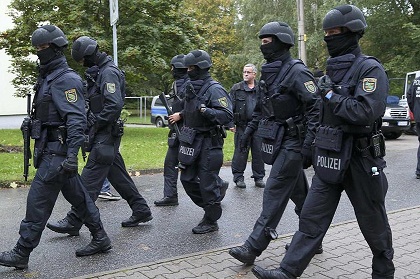
The German civil security industry is in the throes of change: it was once an avenue of employment for the less educated or the jobless. Today, companies are increasingly selling comprehensive security solutions. India will gain by being prepared for such trends and technological innovations
 Courtesy: Associated Press
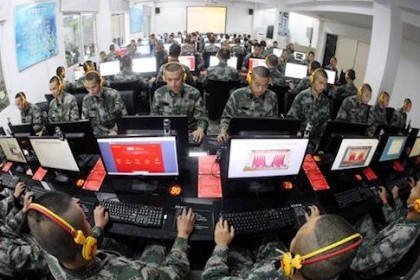
India is marching towards ever increasing digitisation of its economy and government services, but not addressing its many vulnerabilities in cyber space. This has to be rectified before escalating a response to China, an acknowledged cyber power
 Courtesy: Wikimedia Commons
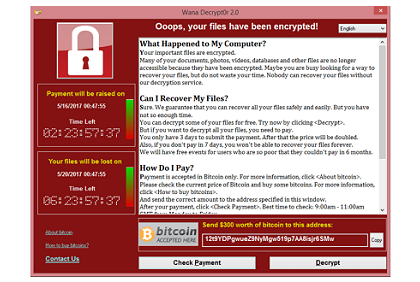
Critical infrastructure–like healthcare or the financial services industry–makes for ransomware’s favourite prey, and nation-states must unite to respond suitably to the anarchy that can be unleashed by another attack, like WannaCry
 Courtesy:
Gateway House: Indian Council on Global Relations, in partnership with Istituto Affari Internazionali (IAI) – one of Italy’s leading think tanks on international affairs, participated in the European Union- India Think Tanks Twinning Initiative for the year 2016. Titled: ‘Moving forward the EU-India Read more
 Courtesy: Wikipedia
The recent U.S. and China agreement to contain cyber espionage will not only impact their bilateral relationship, it will also create norms in international cyberspace. But implementation remains a challenge, and businesses, including in India, that have faced cyber threats must proactively plug their vulnerabilities
 Courtesy: psychotropicon.info
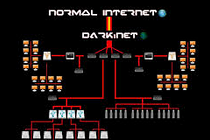
Cyber crime has transcended hacking and other online illegal activities—the black markets of the “hidden” internet are now a potent threat. This “darknet” is used by illicit traders, saboteurs and terrorist groups—with serious financial and security implications for the Indian government and business sector
 Courtesy: Green_Mamba/Flickr
Critical infrastructure in India, including oil pipelines, dams and steel plants, is susceptible to cyber attacks because of outdated Supervisory Control and Data Acquisition systems, which manage their operations. A cyber attack on these systems can be devastating. It is imperative for India to take counter-measures
 Courtesy: danxoneil / Flickr
Across the globe, governments trying to control the internet are violating the privacy and rights of internet users. China’s censorship model is limited to its borders, the U.S.’ surveillance affects everyone internationally. A multilaterally-acceptable mandate for cyber governance is now an imperative.
 Courtesy: bfshadow/flickr
This daily column includes Gateway House’s Badi Soch – big thought – of the day’s foreign policy event. This Badi Soch discusses the new Chinese internet censorship laws and analyses how it plays to a larger model of internet censorship.