What to expect from Trudeau’s first official trip to India
From trade to counter terrorism to civil society partnerships, here are the areas in need of greater collaboration between the two countries.

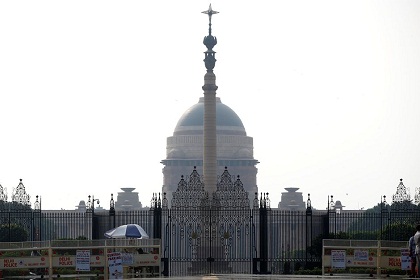 Courtesy: Open Canada
From trade to counter terrorism to civil society partnerships, here are the areas in need of greater collaboration between the two countries.
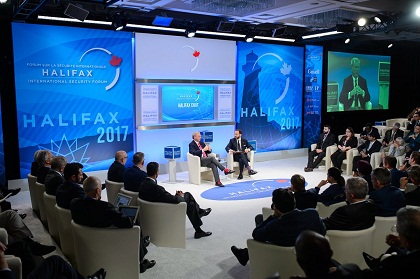 Courtesy: Halifax Conference Twitter
The Halifax International Security Forum offered western policy makers and strategic analysts a chance to reflect on the state of the trans-Atlantic security alliance, especially with the United States under the Trump administration, its relations with Russia, and China’s peaking global ambitions
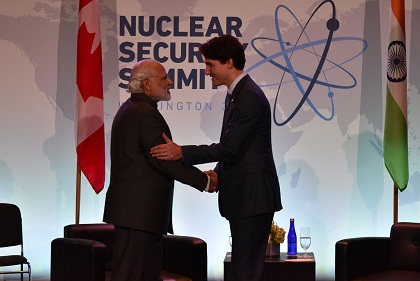 Courtesy: MEA/ Flickr
India hardly figures in current discourse on Canadian foreign policy. Yet, the two countries are important to each other: one, a source of investment, technology and energy, the other an attractive market. The current challenge is to conclude negotiations on long-pending trade and investment agreements
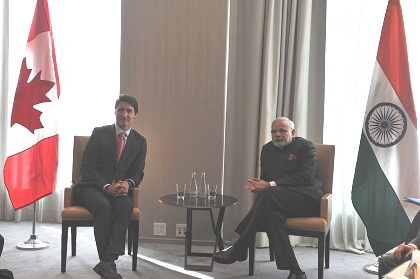 Courtesy: MEA/ Flickr
One is an advanced economy, the other an emerging one, and yet they share a striking complementarity of interests—from democracy and liberal values to a history of cordial relations. But two important economic agreements remain as chasms to be bridged
 Courtesy: Gateway House
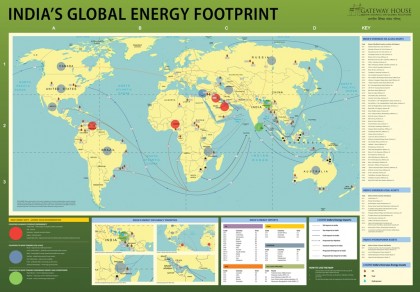
Trends in technology, geopolitics and geoeconomics have dramatically transformed the global energy scenario in the last two years. This means favourable conditions for import-dependent India, which must use the opportunities available to reduce its vulnerability to high energy prices. The jump in oil prices past the $60 mark suggests that India must act with alacrity. India’s Energy Footprint Map offers a profile of India’s global trade and investment in energy, and indicates what India can do to access cheap and reliable supplies
 Courtesy: Reuters
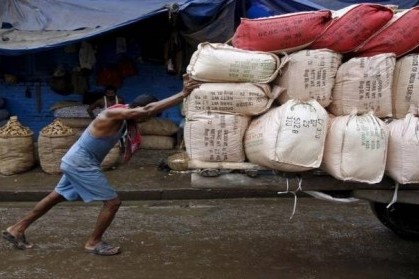
The long march to implement the long-awaited Good and Services Tax in India has just begun. It is instructive to understand how other countries introduced this tax and cherry-pick lessons from their experiences
 Courtesy: Wikipedia
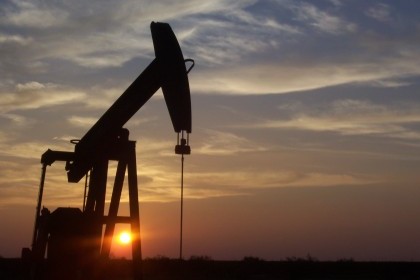
The U.S. and Canada offer an opportunity for India to acquire large scale oil and gas fields in politically stable countries at a low price. A financial investment in energy companies will protect India against a rise in energy prices without raising concerns in host countries.
 Courtesy: ustr.gov
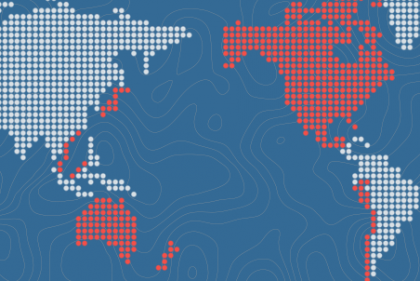
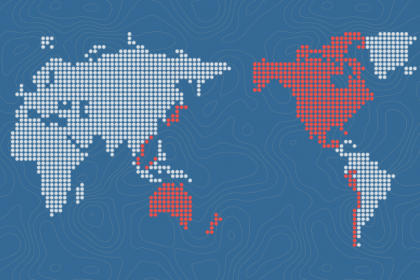
The Trans-Pacific Partnership has dropped strong Intellectual Property Rights regulations on India’s doorstep. The implications of these regulations could affect India’s own policies, as well as her global aspirations towards the potential Regional Comprehensive Economic Partnership.
 Courtesy: ustr.gov
The U.S.-driven Trans Pacific Partnership agreement between 12 countries, which is aiming to become the new standard of world trade, impacts domestic systems globally. For India, it will skew investment and intellectual property rights, and especially the debate over the Investor State Dispute System which allows companies to challenge sovereign rights and public policy.
 Courtesy: Wikipedia
Although it is too soon to comprehensively analyse the Trans-Pacific Partnership agreement of October 5, it is worth assessing what is known. Here are the facts, the controversies, the assessments, and the implications for countries that are not part of the agreement, especially India.