The PSAARC declaration
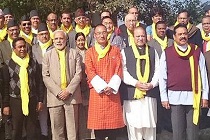
The People's SAARC (PSAARC) declaration,which called for the governments to address a number of issues from food security to climate justice, established the network as advocates for a progressive humanitarian agenda
The 18th SAARC Summit held in Nepal concluded on November 27 with the release of the Kathmandu Declaration. Did the summit live up to its expectations? Was concrete progress made, and if so in which areas? Where is SAARC heading now? Gateway House asks and answers five questions on the outcome of the summit
Courtesy: wikimedia
Despite an early regional consensus on counter-terror, SAARC’s record in tackling terrorism remains dismal. With the widening network of terrorist groups in the subcontinent, it is imperative that India takes the lead in forging substantial counter-terrorism cooperation, particularly on the issue of financing
Rajni Bakshi, Senior Gandhi Fellow, Gateway House reports from People’s SAARC, a motley gathering of NGO workers and members of the village communities they work with. PSAARC will compile a memorandum – a wish-list of demands and aspirations – on November 24 and present it to the heads of SAARC nations
Courtesy: pmindia.nic.in
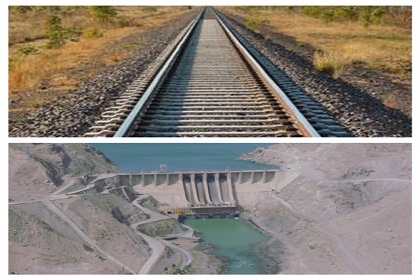
The 18th SAARC Summit in Kathmandu next week is an opportunity for member countries to start shaking off the shackles of distrust. Instead, SAARC must robustly move forward on such issues as regional connectivity, SAFTA, climate change, and security—and India can be the prime mover in building this renewed cooperation
Courtesy: Wikimedia commons
The 18th SAARC Summit will cover a wide range of issues, including connectivity, climate change, and SAFTA. A number of similar issues were discussed at the last summit—what’s been the progress since then? Given its constraints, does the association have a future? Gateway House asks and answers five questions on SAARC
Courtesy: Wikimedia Commons
The UN and the global finance industry are making gradual but concerted efforts to align business interests and ecological sustainability. A growing number of companies are combining profit-making with social responsibility. There is still a long way to go, but the UN system has created useful mechanisms of change
Courtesy: Wikipedia\commons
Indian Prime Minister Narendra Modi hit all the right notes in his landmark visit to Nepal this week. Modi’s announcement of hydropower being a key area of synergy in the bilateral will help India solve its electricity shortage and also provide the country a renewable energy import from a friendly neighbour
Courtesy: Wikipedia
India’s external affairs minister Sushma Swaraj is in Nepal this week in line with the government’s commitment to prioritise ties with neighbours. Ties between India and Nepal have not been smooth with Nepal seeking a review of the 1950 Treaty of Peace and Friendship signed between the two countries
Courtesy: Wikimedia Commons
The World Bank report highlighting the need for far-reaching reforms in the power sector underlines the necessity for the centre and state governments to arrive at a political consensus. The model of cooperative federalism advocated by Prime Minister Modi has the potential to transform the electricity scenario