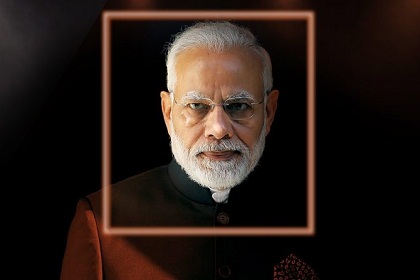
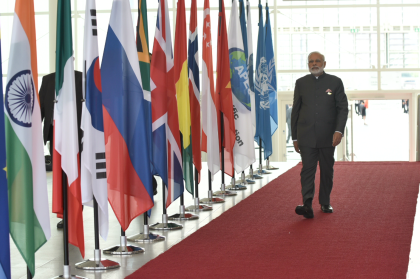
India's foreign policy under the second Modi government will take account of a turbulent world in which the old verities are disappearing and domestic political compulsions exert overwhelming influence on external postures
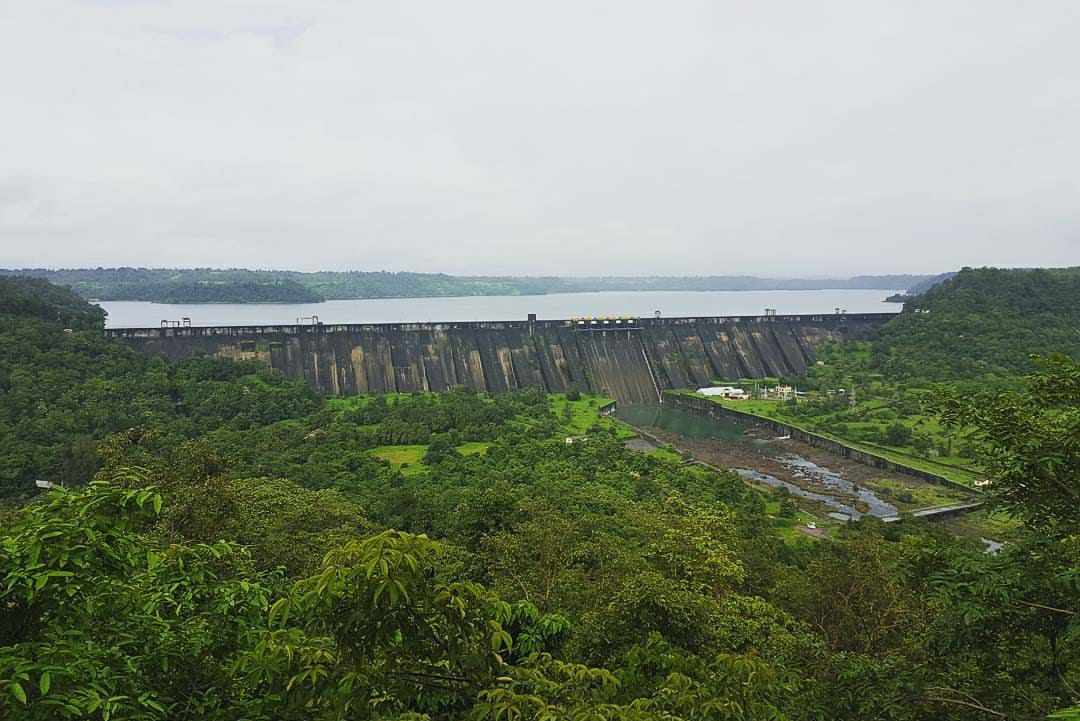
The re-election of the Bharatiya Janata Party to Parliament means that India’s infrastructure buildout will continue apace. This will be a heavy load on the environment. It will also have to abide by Prime Minister Modi’s commitment to the successful implementation of the Sustainable Development Goals (SDGs) by 2030. This offers an opportunity for the government to think innovatively about measures for sustainable development, particularly in pricing nature
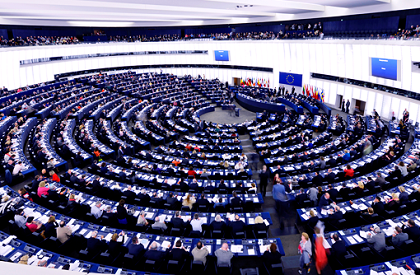
The German-French collaboration has been the motor of the European Union so far, but there has been a rise of resentment within the other European countries, with a mobilisation of right-wing parties and talk of an Italian-Polish motor instead, says Neelam Deo, Director and Co-Founder of Gateway House, in this interview. Elections to the European Parliament are taking place from May 23-26
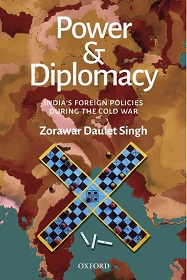
This account of India’s foreign policy under Jawaharlal Nehru and Indira Gandhi is an accomplished body of research into a period, usually studied primarily for India’s Non Aligned Movement. The author suggests that Nehru’s larger Asian, more global, view for India has therefore gone unnoticed
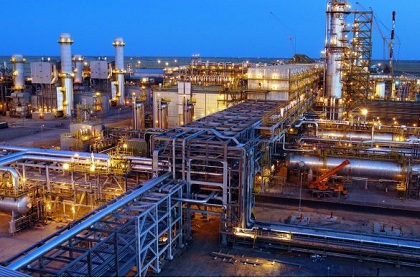
The main objective of the Shanghai Cooperation Organisation’s (SCO) Energy Club, when Russia formed it, was to market its member states’ substantial oil and natural gas reserves. This map shows some of the important natural gas pipelines, originating from Russia and its neighbouring countries that are not members of the SCO. What can India do to secure supplies from these abundant but currently inaccessible natural gas reserves?
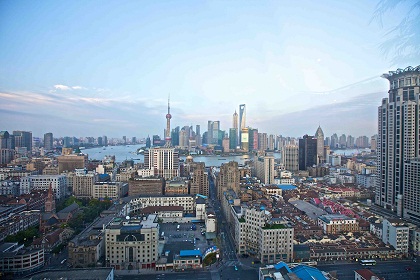
The Chinese leadership faces a range of economic problems and not very palatable solutions, says Prof Heribert Dieter, Visiting Fellow at Gateway House, Mumbai, and Senior Fellow, German Institute for International and Security Affairs, Berlin, in this wide-ranging conversation with Gateway House. He also analyses the European perspective on China, the U.S.-China trade war and the role of global forums, such as G20
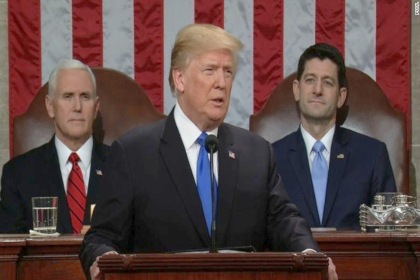
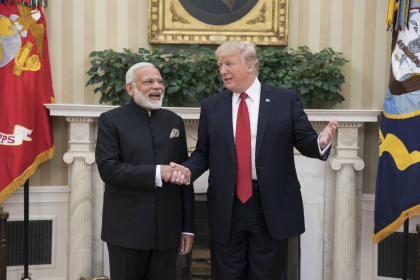
The state of the American Union is both polarised and ironic. Moderated presidential messaging is needed if there is a chance to become more united and avoid perpetual acrimony
The following remarks were given by Ambassador Rajiv Bhatia, Distinguished Fellow, Foreign Policy Studies, Gateway House as Distinguished Guest Lecturer at IIM Tiruchirappalli on February 3, 2019
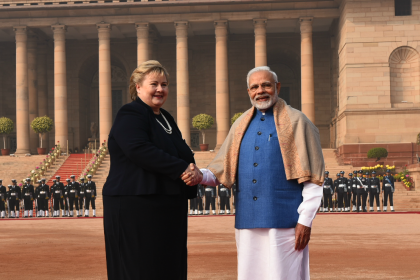
Norwegian prime minister Erna Solberg’s visit to India earlier this week had a central focus: strengthening economic and technological cooperation in the Blue Economy. This is an area in which her country has considerable expertise and with which Indian business needs to collaborate in managing industries, such as oil, shipping, fisheries and aquaculture in a ‘green’ way
The imperative for India to move away from its non-aligned posture is now, especially if it wants to be consequential in the global reordering underway. This will play out in the contention between the U.S. on one side, and China and Russia on the other.