India in a changing global order
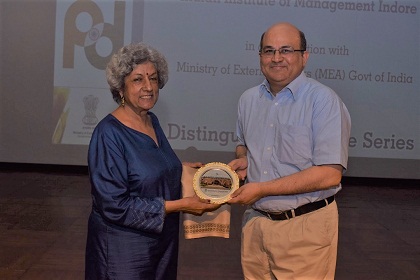
This speech was delivered at ‘Industry Meet 2018’, organised by the Indian Institute of Management, Indore, in collaboration with the Ministry of External Affairs, Government of India, on 7 July 2018

 Courtesy: IIM, Indore
This speech was delivered at ‘Industry Meet 2018’, organised by the Indian Institute of Management, Indore, in collaboration with the Ministry of External Affairs, Government of India, on 7 July 2018
 Courtesy: Caixin Global
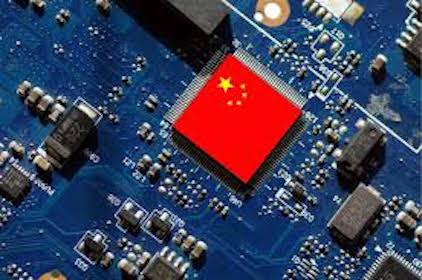
China’s foreign direct investment is shifting away from natural resources to high-tech areas, such as Artificial Intelligence and robotics. The scale of these acquisitions, along with questions about intellectual property and national security, are causing widespread concern in the West
 Courtesy: U.S. Department of State/ Flickr
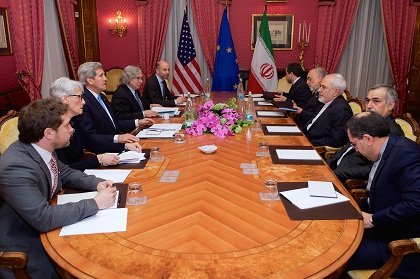
Scrapping the JCPOA will badly bruise Iran’s economy, citizens and foreign relations; it will have an impact on the U.S.’ allies too
 Courtesy: Gateway House
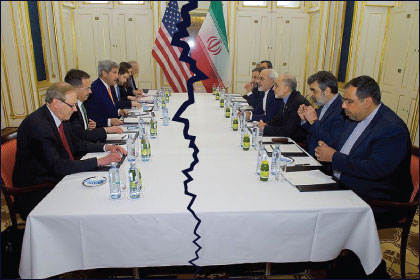
India may end up being the unintended victim of renewed U.S. sanctions on Iran. It will push up the price of oil and cost India billions of dollars annually
 Courtesy: Wikimedia Commons
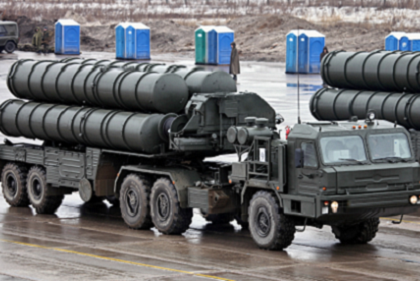
American sanctions on Russian defence companies may end up hurting an innocent bystander: India's defence sector. In particular, they could threaten Indian military procurement, and also may complicate India’s attempts to produce more of its own defence hardware. India needs to study the issue closely to prepare for what may come
 Courtesy: Government of South Africa/ Flickr
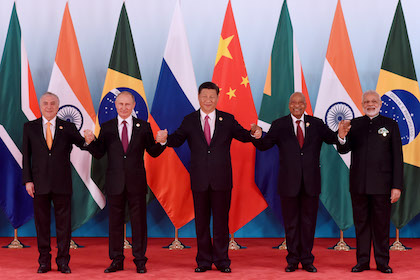
Internal political constraints dog it currently, but if overcome, South Africa can be a good chairman to BRICS and IORA in 2018. It also has a tough balancing act to perform between two great Asian powers, China and India
 Courtesy: Halifax Conference Twitter
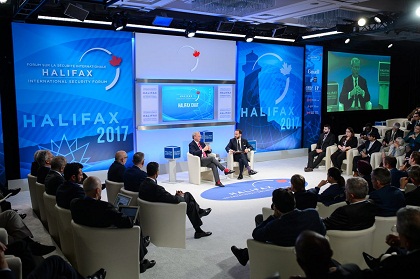
The Halifax International Security Forum offered western policy makers and strategic analysts a chance to reflect on the state of the trans-Atlantic security alliance, especially with the United States under the Trump administration, its relations with Russia, and China’s peaking global ambitions
 Courtesy:
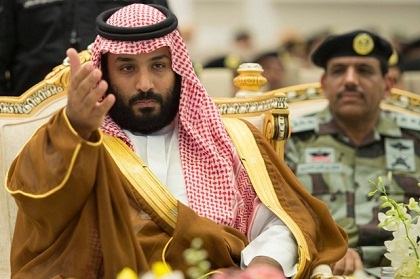
The removal of 11 top ministers in the Riyadh government last week by the young crown prince Mohammad bin Salman, is a geopolitical upheaval, the implications are serious. Domestically, the kingdom is seeking to liberalise its conservative society and move away from oil-dependency – evident from the expected listing of its crown jewel Aramco. For India, which imports oil largely from West Asia, instability could cause a spike in prices, leaving less for its ambitious reforms. Globally, there is now space for new alignments – in the Great Power plays, in the Shia-Sunni rivalry, and in the war on terrorism.
 Courtesy:
Indian President Ram Nath Kovind leaves for Africa on his first foreign visit as president on October 3. His first port of call will be Djibouti, which occupies a strategic location in the Horn of Africa. The country has assumed significance for hosting multiple foreign military bases on its territory, the latest entrant being China. This infographic illustrates Djibouti’s ‘military base’ diplomacy.
 Courtesy: Pinterest
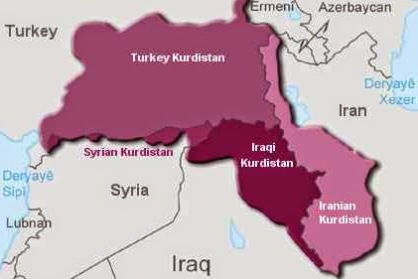
The Kurdish issue is far more complex and sophisticated than the simplistic nationalist rhetoric, made fashionable by Europeans-- and which all actors in the game feel compelled to employ and have us believe