A new, consensual world order
The era of globalisation is drawing to a close and a new one is emerging—an era of bilateralism over globalisation, of domestic over foreign focus, and reality-based policy-making

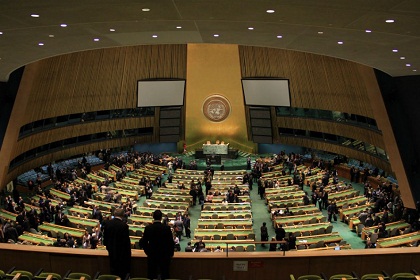 Courtesy: IB Times
The era of globalisation is drawing to a close and a new one is emerging—an era of bilateralism over globalisation, of domestic over foreign focus, and reality-based policy-making
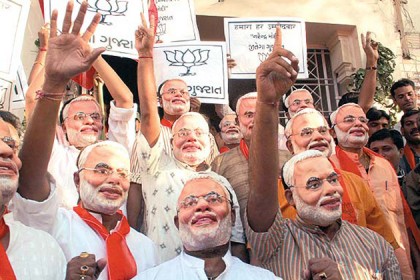 Courtesy: Narendramodi.in
Narendra Modi’s landslide victory in India's 2014 general elections, despite his hardline nationalist image, was viewed as a localised phenomenon. But two years later, voters across the world from Europe to Philippines seem to be tilting towards leaders with the same nationalist tag.
 Courtesy: aitonline.tv
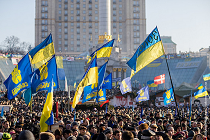
The imposition of sanctions by Western countries on Russia has conflagrated the Ukrainian crisis with both sides indulging in an asymmetrical sanctions game. The hardening of positions has caused the Russian and the European economies to suffer, with no end in sight for the conflict
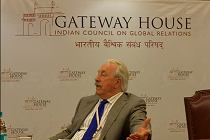
Neelam Deo, Director, Gateway House, talks about the significance of the position taken by NATO member countries at the recent summit in Wales. She says the increasingly acrimonious standoff between the West and Russia over Ukraine, and the stance on the Islamic State has implications for India.
Debabrata Saha, former Indian Ambassador to Ukraine, talks about the ongoing crisis in Ukraine and its likely impact on bilateral trade ties. In an interview to Gateway House, he also examines India’s position on the crisis in the backdrop of worsening U.S.-Russia relations
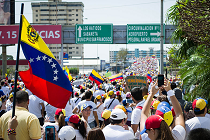
R. Viswanathan, Distinguished Fellow, Latin America Studies, Gateway House, has been following the movements in Ukraine and Venezuela closely. In this interview, he explains the parallels and the impact on Venezuela
 Courtesy: Gateway House
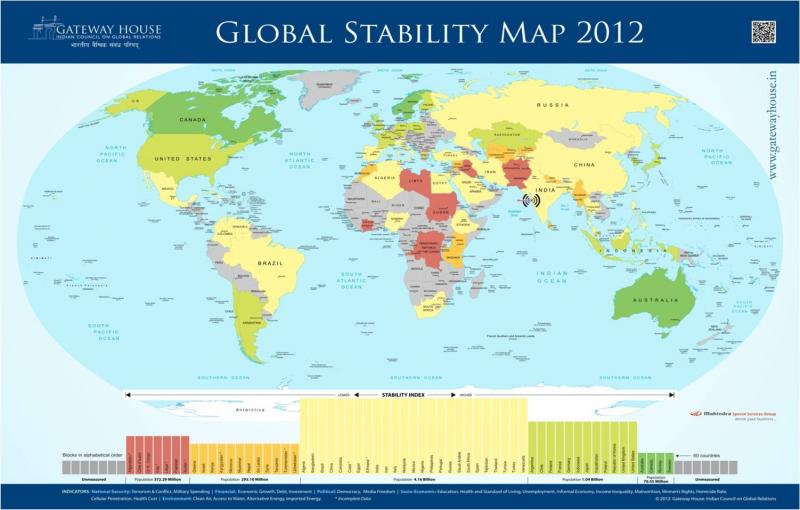
Gateway House prepared a Global Stability Map, using 20 differing indicators, to analyze the stability of 60 countries around the world. Using criteria that are important to the emerging economies of the world, the map provides an Indian perspective of the world today.
 Courtesy: nazeah/Wikimediacommons - Ramesh Lalwani/Flickr
The year 2011 saw various events - the Arab Spring, anti- corruption protests, Europe's sovereign debt crisis - transform countries and reshape the world order. Gateway House takes a look at what these events mean for India, and presents India's top foreign policy cheers and jeers for the year.
Gateway House’s Hari Seshasayee interviewed Nicolas Krul. A stout defender of European unity, Krul discussed the origins of the crisis, the lessons learned, possible solutions and the opportunities for the emerging world.
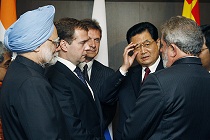 Courtesy: www.kremlin.ru/Flickr
In a reversal of historical roles, the BRICS nations may be coming to Europe’s rescue. During the Asian Financial Crisis, the International Monetary Fund (IMF) introduced structural adjustments in return for IMF loans, and many institutions and individuals went bankrupt. Will it be any different now?