India-Latin America Engagements, March 2014
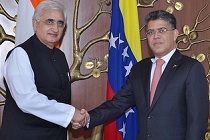
In 'India-Latin America Engagements', the Latin America Desk at Gateway House presents a selection of news of India’s engagement with the region during the previous month

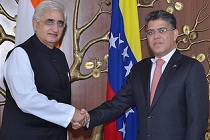 Courtesy: Ministry of External Affairs, India
In 'India-Latin America Engagements', the Latin America Desk at Gateway House presents a selection of news of India’s engagement with the region during the previous month
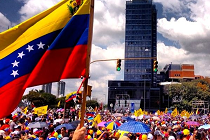 Courtesy: durdaneta/Wikimedia Commons
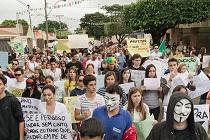
On the political as well as economic fronts, Venezuela is facing multiple problems – from protests against shortages and crime, to high inflation and low foreign exchange reserves. The government itself is responsible for creating this situation over the years and a change in leadership may now be the solution
 Courtesy: Foreign Affairs
When the average growth rate in emerging markets hit over seven percent a year in the last decade, forecasters hyped its implications. Today, more than five years after the financial crisis of 2008, the euphoria seems to have waned
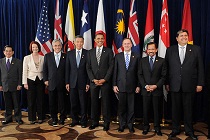 Courtesy: Gobierno de Chile/Wikimedia Commons
Can India integrate more fully into the global economy and energise its trade by joining the Trans-Pacific Partnership? Or will negotiating an entry require significant concessions, not necessarily in India’s interests? These outcomes will depend on how TPP framework itself develops – inclusively or exclusively
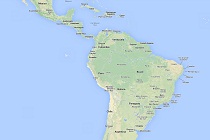 Courtesy: Google Maps
In 'Latin America Update' Gateway House lists some of the important events in Latin America over the past month
 Courtesy: Ministry of External Affairs, India
In 'India-Latin America Engagements', the Latin America Desk at Gateway House presents a selection of news of India’s engagement with the region during the previous month
 Courtesy: monotrilho|/Flickr
With elections scheduled in seven Latin American countries, 2014 will be a year of significant political developments in the region. As we enter 2014, Gateway House examines the important events that defined Latin American politics and economy in 2013
 Courtesy: Wikimedia Commons
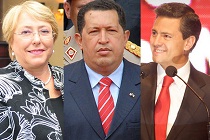
The death of Venezuelan President Hugo Chavez, election of President Michelle Bachelet in Chile, reforms in Mexico and the legalisation of cannabis in Uruguay have implications for the Latin American region. Gateway House examines how these will shape the region’s politics and economy in the coming years
 Courtesy: lndhslf72/Flickr
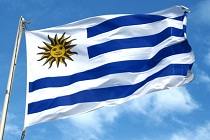
A law that legalises cannabis will come into force from April 2014 in Uruguay. Some political parties have objected, as has the UN’s International Narcotics Control Board. Critics say the law will increase consumption, but evidence suggests otherwise
 Courtesy: WikimediaCommons
The return of the Left after four years, with the election this week of Michelle Bachelet as the president of Chile, will not mean any drastic change of direction. Chile has the most stable democracy and dynamic market in Latin America, and its Left can become a model for other countries, including India