A world of uncertainties & unease
Speakers at the seventh Atlantic Dialogues, held in Morocco earlier this month, discussed what the challenge to western dominance and China’s expansionism meant for their political and economic future

 Courtesy: Sputnik News
Speakers at the seventh Atlantic Dialogues, held in Morocco earlier this month, discussed what the challenge to western dominance and China’s expansionism meant for their political and economic future
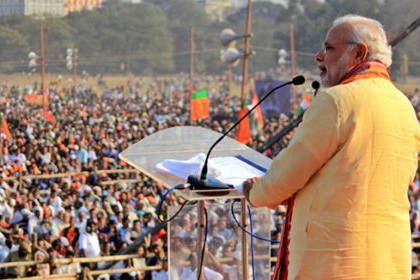
Academic and columnist M.D. Nalapat, in this interview with Manjeet Kripalani, speaks of how a tardy bureaucracy has brought about “a too-cautious” policy towards the U.S. and China as opposed to the former Gujarat chief minister’s greater openness in consulting people before handing over policy implementation to the bureaucracy. He also discusses the prime minister’s shrewd approach to South Asia, the dependable warmth of the Japanese and a range of other topics
 Courtesy: Wikimedia Commons
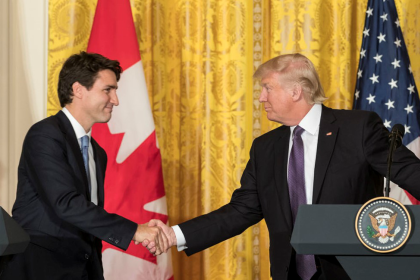
The United States, Europe and the Asia Pacific today form Canada’s tripartite foreign policy priorities. The ASEAN is its sixth largest partner, which was not so 20 years ago, but economic engagement with India – still small, compared to China and Japan – has scope to grow
 Courtesy: Wikimedia Commons
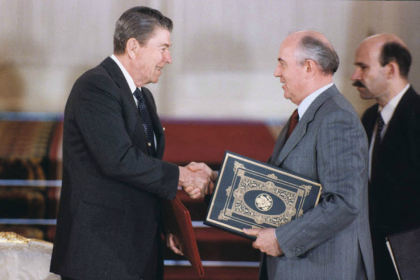
America’s withdrawal from a Cold War arms control agreement seems to be dictated by China’s development and deployment of thousands of short and medium range ballistic missiles.
 Courtesy: Foreign Affairs
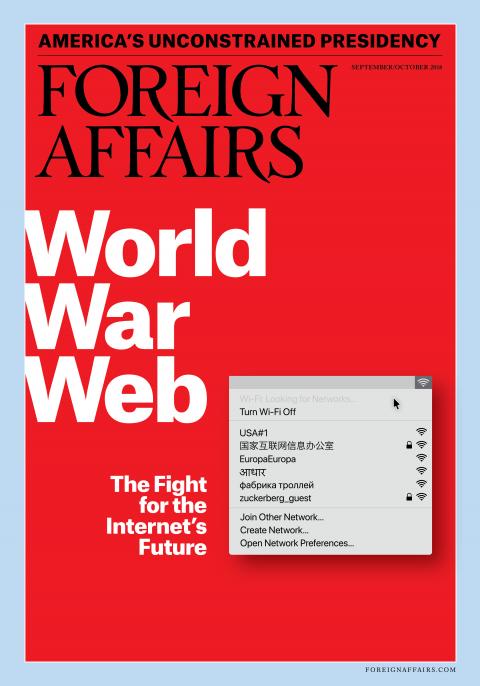
The immediate threat is more corrosive than explosive. States are using the tools of cyberwarfare to undermine the very foundation of the Internet: trust. The result is that an arena that the world relies on for economic and informational exchange has turned into an active battlefield.
 Courtesy: Gateway House
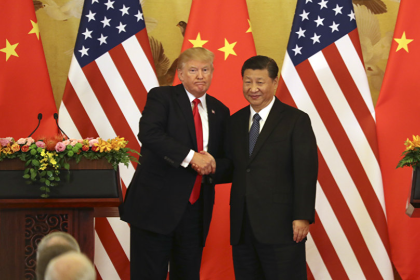
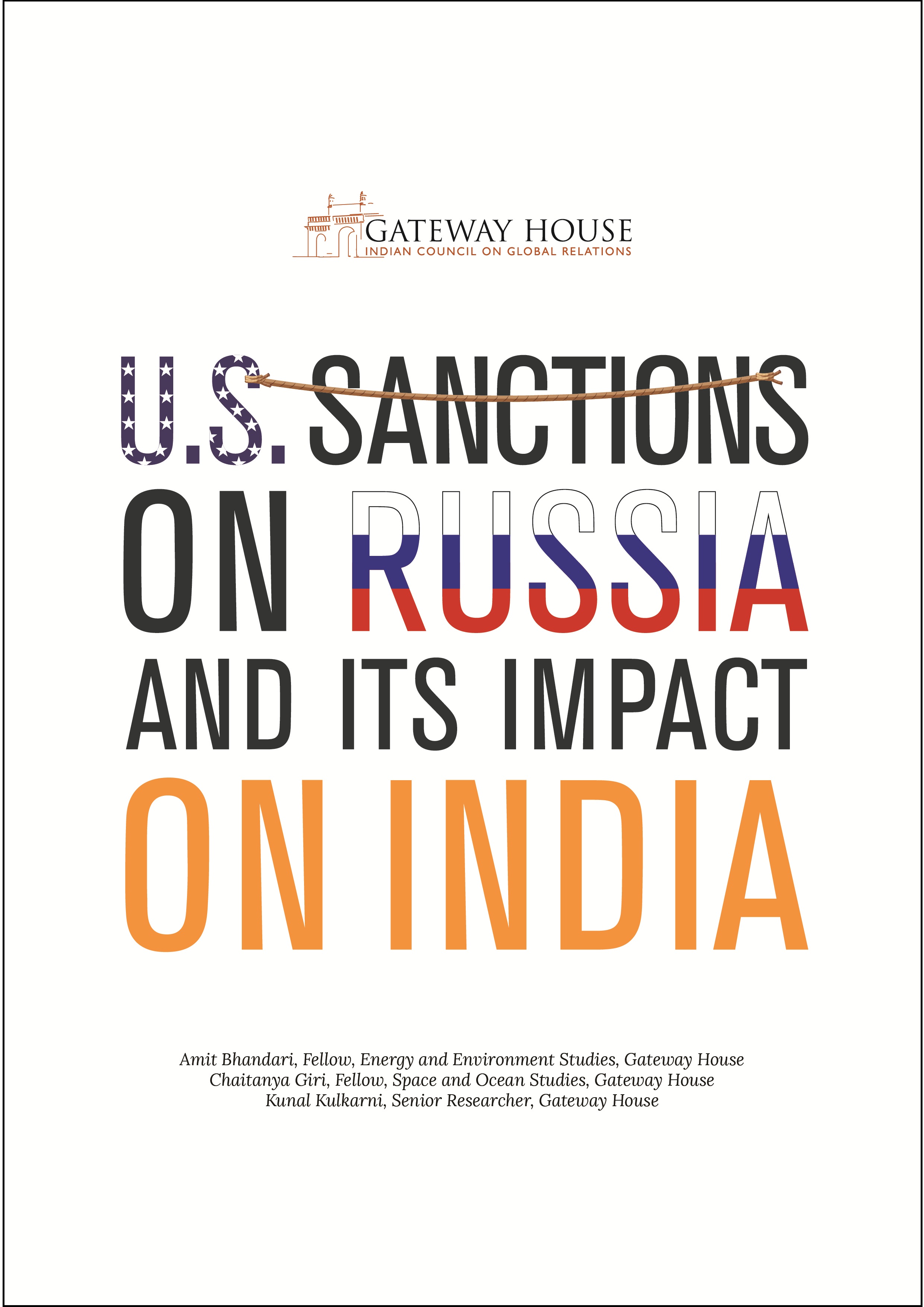
America is increasingly using sanctions as a geopolitical tool against its rivals, Russia, Iran and Venezuela. These countries are important partners for India, which needs to find ways around unilateral American sanctions.
 Courtesy: National Museum of the U.S. Air Force
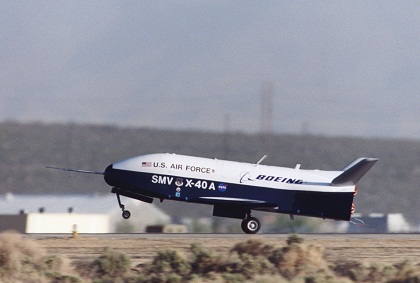
Washington is planning to integrate its military space operations. Each arm of the United States Armed Forces has had a space command until now but uniting these discrete units into a new Space Force is a step ahead. The U.S.’ big-picture ambition is ‘full spectrum battle-space dominance’ and the contest to achieve it has implications for the defence and space industry
 Courtesy: IIM, Indore
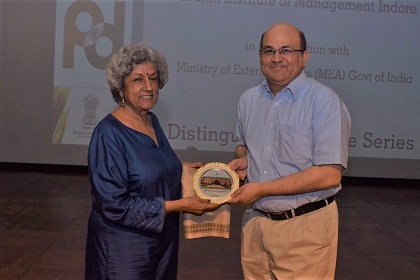
The world order that came about in the aftermath of World War II was a western-oriented construct that has become obsolete in many ways. The changes underway offer India an opportunity to participate in the crafting of political and economic institutions that are more pertinent to the emerging geopolitical equations
Courtesy: IIM, Indore
This speech was delivered at ‘Industry Meet 2018’, organised by the Indian Institute of Management, Indore, in collaboration with the Ministry of External Affairs, Government of India, on 7 July 2018
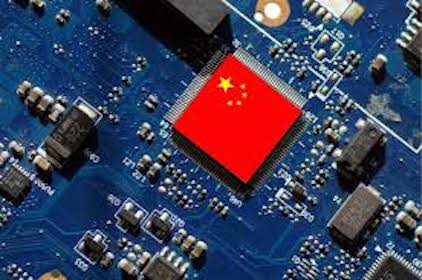 Courtesy: Caixin Global
China’s foreign direct investment is shifting away from natural resources to high-tech areas, such as Artificial Intelligence and robotics. The scale of these acquisitions, along with questions about intellectual property and national security, are causing widespread concern in the West