BRI sputters in South Asia
A decade after its launch, China’s Belt and Road Initiative has slowed down in South Asia, the result of poorly conceived projects, and irresponsible behavior from borrower and lender alike.

 Courtesy:
A decade after its launch, China’s Belt and Road Initiative has slowed down in South Asia, the result of poorly conceived projects, and irresponsible behavior from borrower and lender alike.
 Courtesy:
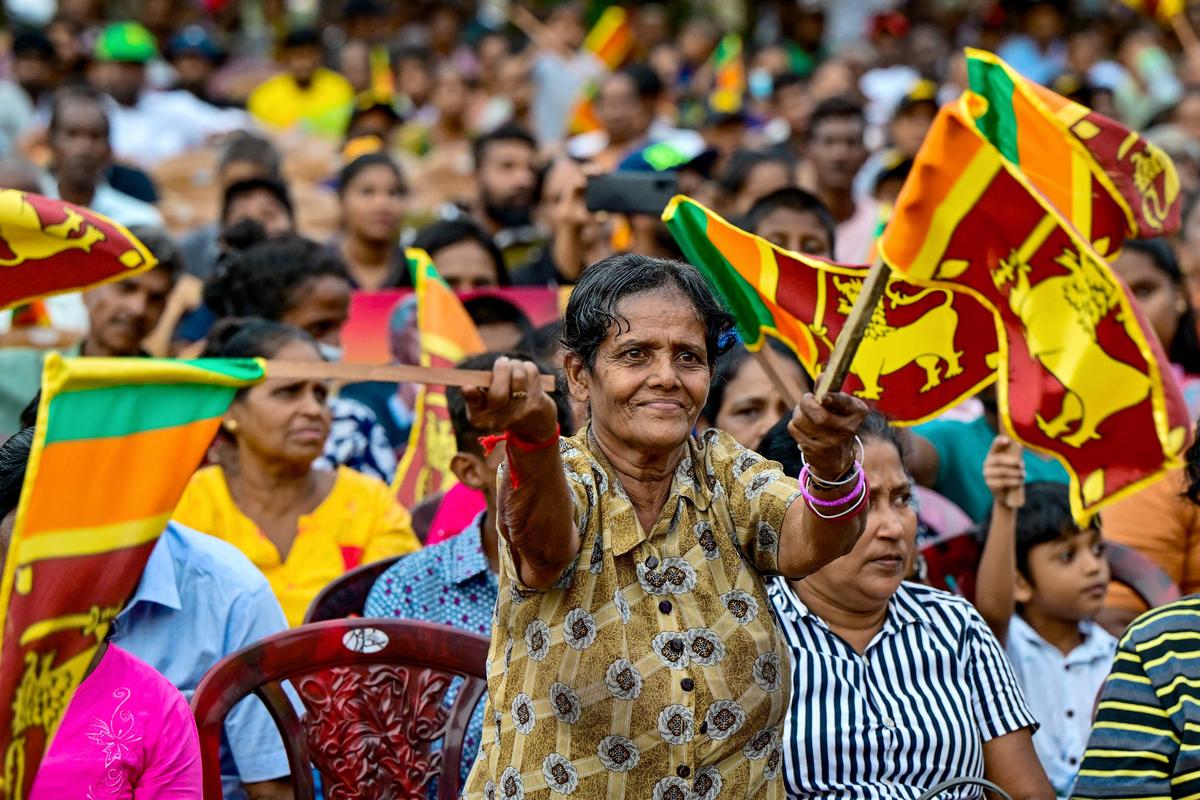
The presidential election in Sri Lanka on September 21 is the country's first since its economic crisis of 2022. Dr S D Muni, Professor Emeritus at the School of International Studies, Jawaharlal Nehru University, discusses major issues on the ballot, principal candidates in the race and their policies, long-term social and political trends, and takeaways for the Sri Lankan parliamentary elections due later this year.
 Courtesy:
The economic agenda is the key issue in the Sri Lankan Presidential elections to be held on Sept 21. This island nation is seeking a return to prosperity through relief from onerous debt, reduced corruption, an effective bureaucracy, and constitutional and economic reforms. The five principal players in the race, however, have varied agendas that may not fulfil all of the people’s needs and desires.
 Courtesy:
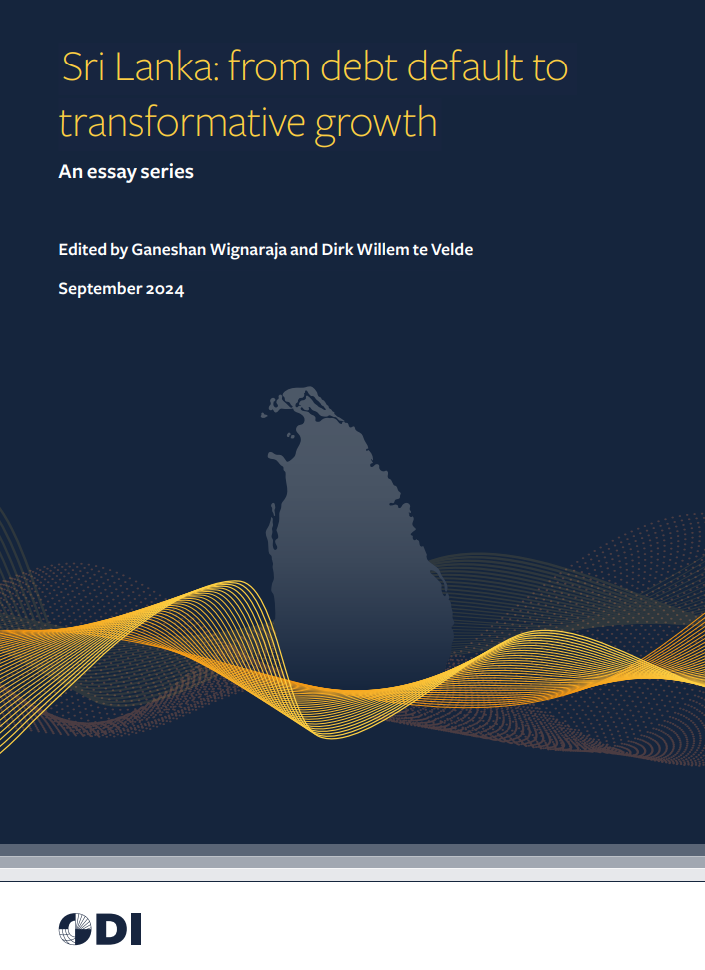
Sri Lanka’s sovereign debt default in 2022 triggered the worst economic crisis in the country’s post-independence history. By mid-2024, the economy started showing signs of recovery, with a performance higher than other debt-defaulting nations and exceeded IMF expectations. The current stable path, however, is not enough. Sri Lanka needs to shift its economic trajectory from one of debt distress to sustained growth over the next few years.
 Courtesy:
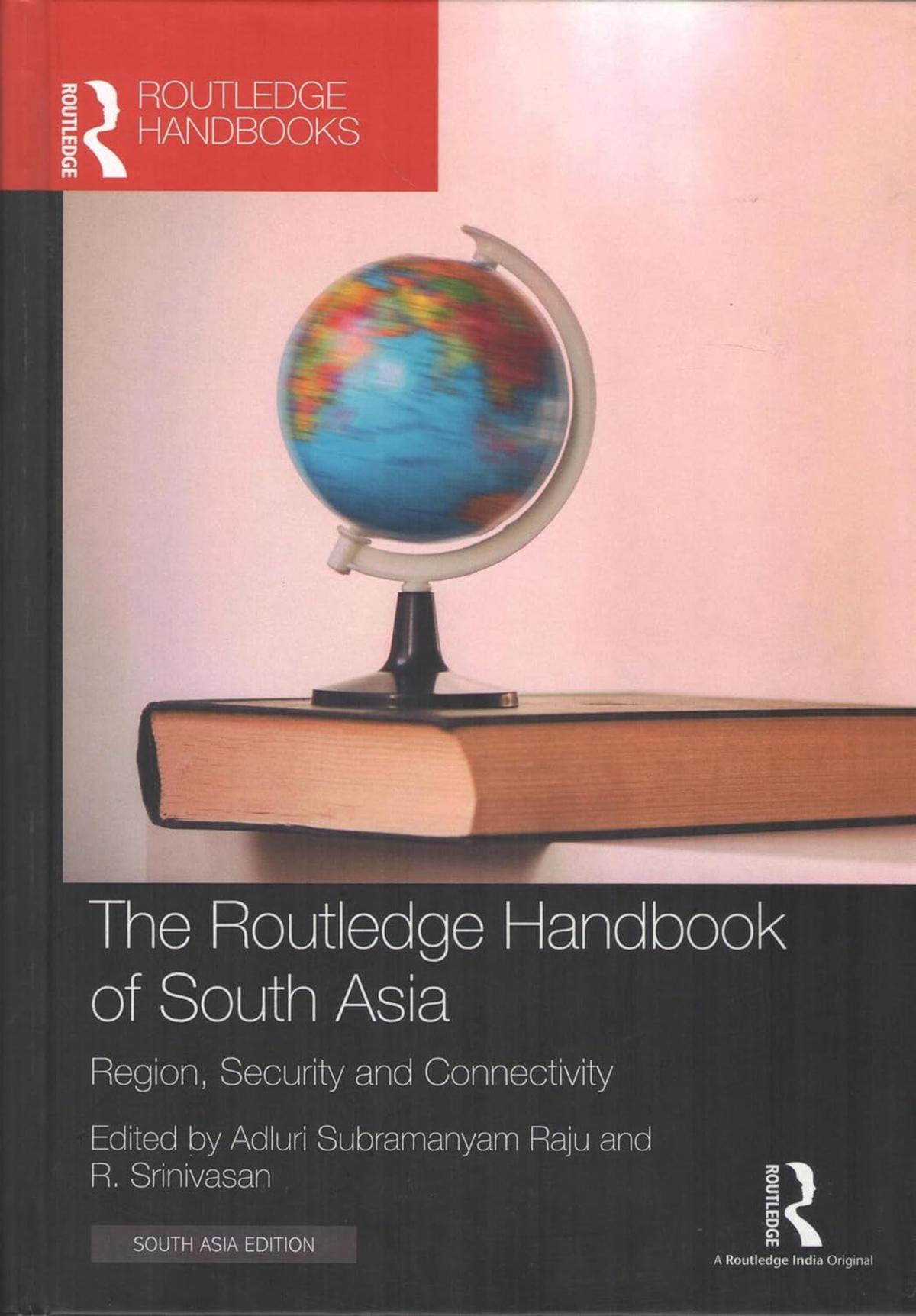
The authors convincingly analyse the bewildering diversity, size and scale of the challenges of South Asia in a volume that is a rare treasure for those interested in deciphering the history, ethnic identities, colonial legacy, political economy, environmental risks, and geopolitical dynamics of the region.
 Courtesy:
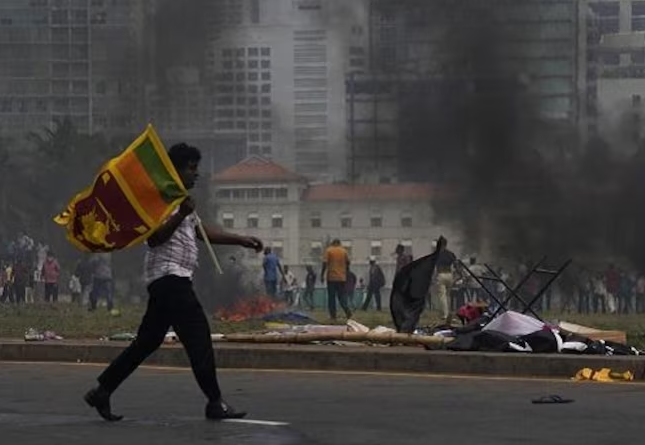
Asian nations like Sri Lanka have seen a rush of Russian and Ukrainian tourists over the last two years. They discover salubrious climes and overstay their visas to start small businesses. It has helped Sri Lanka boost tourism after its 2022 debt default but also created economic problems for locals. It is necessary to identify trade-offs between economic benefits and security threats associated with extended-stay tourism.
 Courtesy: Business Standard
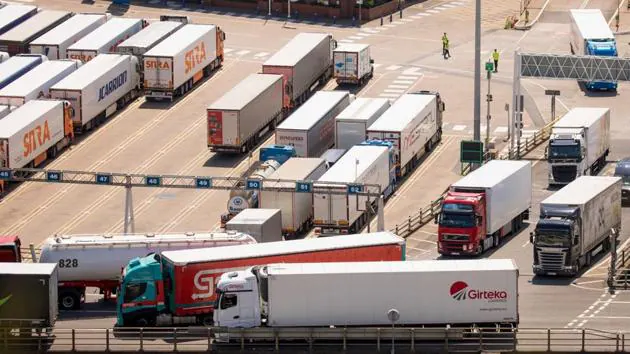
In April 2022, Sri Lanka defaulted on its foreign debts kicking off its worst economic downturn in over 70 years. In a paper for the Institute of South Asian Studies, Ganeshan Wignaraja examines key policy, the benefits of IMF support, and the role that Indian aid has played in Sri Lanka’s recovery while emphasising potential risks of its upcoming presidential and parliamentary elections.
 Courtesy: Hindustan Times
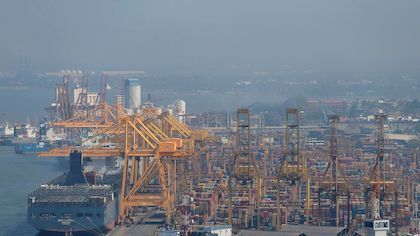
South Asia requires resilient and cost-effective regional supply chains. This can be achieved through Indian investment, fostering local linkages while reducing dependency on Chinese financing of regional partners. A new approach enhances India's regional influence, creating a win-win scenario for the entire South Asian neighbourhood in a changing global landscape.
 Courtesy: Reuters
Sri Lanka has demonstrated signs of recovery following the stabilising policies implemented by the Wickremesinghe government. However, the road ahead for economic recovery is long, with risks associated with the upcoming Presidential elections, geopolitical tensions and debt restructuring.
 Courtesy: VivaLanka
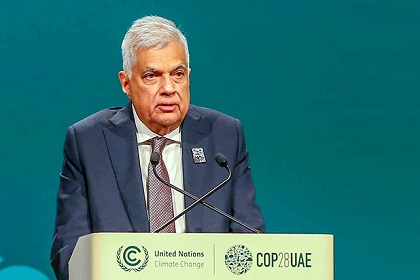
At the COP28, Sri Lanka’s President Ranil Wickremesinghe stated the need for $12 billion in FDI for renewable energy sources by 2030 to fulfill the country’s climate commitment. For that funding to yield benefits and translate into long-term growth, Sri Lanka must now work hard to enhance its overall business environment and revisit its foreign investment strategy to focus on renewable energy and manufacturing.