Neelam on Syria Courtesy: FreedomHouse2/Flickr
6 July 2012

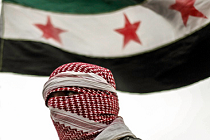
The unique tragedy of Syria

Simultaneous efforts to resolve the problem in Syria remain stymied even as more and more high level meetings and consultations take place. The more countries treat the situation as a proxy for political differences, the more it creates the conditions for a wider conflagration with an unpredictable outcome.
Courtesy: Flickr/RamyRaoof
25 June 2012

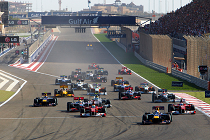
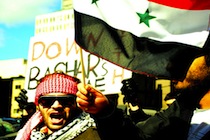
Egypt remains the key

The presidency of Mohamed Morsi, the Muslim Brotherhood's candidate, will have a defining influence both in Egypt and the region. Having won the battle through the ballot though, will Muslim Brotherhood also be willing to cede power through the ballot?

bahrain piece neelam Courtesy: LGEPR
24 April 2012

The Bahrain formula

With turmoil in the Middle East, a drawdown in Iraq and Afghanistan, the Iran-Israel-U.S. conflict, the international community has paid little attention to the democracy of a small group of people - the Bahrainis. More worrisome, however, is that politics now responds to the elite.

Courtesy: IAEA Imagebank
9 April 2012

Iran: An opportunity for BRICS

The scope for any process on nuclear talks with Iran to founder on distrust, misunderstanding and political in-fighting in both Tehran and Washington remains formidable. Equally disturbing are the wider political realities. Can the upcoming talks in Istanbul launch a process that can, over time, lead to agreement?

5564587370_fb077e785f Courtesy: freeedomania/Flickr
29 February 2012

Where is Syria headed?

As the al-Assad regime faces increasing international pressure to step down from power, Syrian President Bashar al-Assad attempted to make political reforms recently. However, Syria has strong relations within West Asia and the denouement will profoundly impact developments in this region.

Maldives: Nasheed outpaced his people Courtesy: notsogoodphotography/Flickr
16 February 2012

Maldives: Nasheed outpaced his people

Despite recent regime changes and agitation in the Middle East, the international community's attention has been diverted from the Indian Ocean - via Maldives. After President Nasheed's forced resignation, the country is now in political turmoil.

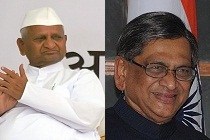
anna hazare 2 Courtesy: nazeah/Wikimediacommons - Ramesh Lalwani/Flickr
30 December 2011

2011’s Top Foreign Policy Cheers and Jeers

The year 2011 saw various events - the Arab Spring, anti- corruption protests, Europe's sovereign debt crisis - transform countries and reshape the world order. Gateway House takes a look at what these events mean for India, and presents India's top foreign policy cheers and jeers for the year.

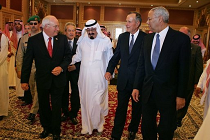
monus wahhabi piece Courtesy: White House photo/WikimediaCommons
29 November 2011

NATO vs Shias: A geopolitical miscalculation

The Wahhabis, who now merit NATO backing, continue on their global mission of converting the Muslim Ummah to its relatively harsh and antediluvian ways of thinking and living. For NATO, this is a geopolitical miscalculation that will have tragic security consequences for the alliance within a decade.

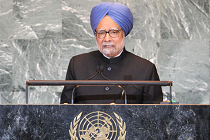
reasserting Courtesy: PMO
26 September 2011

Reasserting India’s independence

Indian Prime Minister Manmohan Singh’s speech at the UN General Assembly has put Indian perceptions on the record and clearly outlined India’s independent foreign policy. India came out unequivocally in support of the Palestinian struggle & reiterated its traditional stance of respecting countries’ sovereignty.