Presentation at India-ASEAN Partnership@25
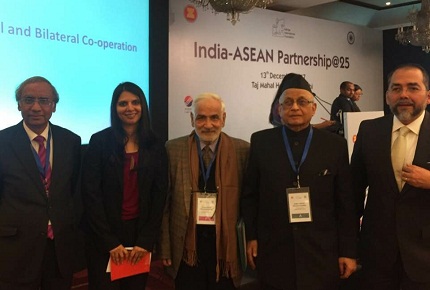
Ambassador Rajiv Bhatia, Distinguished Fellow, Gateway House gave a presentation on ‘Regional and Bilateral Co-operation’ at the Conference on India-ASEAN Partnership@25, New Delhi
Courtesy:
Ambassador Rajiv Bhatia, Distinguished Fellow, Gateway House gave a presentation on ‘Regional and Bilateral Co-operation’ at the Conference on India-ASEAN Partnership@25, New Delhi
Courtesy:
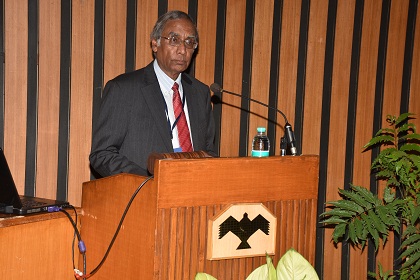
Ambassador Rajiv Bhatia, Distinguished Fellow, Gateway House gave the Keynote Remarks on ‘ASEAN Today: Introspection and Prospects’ at the Regional Conclave on ASEAN@50 and India-ASEAN Relations in Bengaluru
Courtesy:
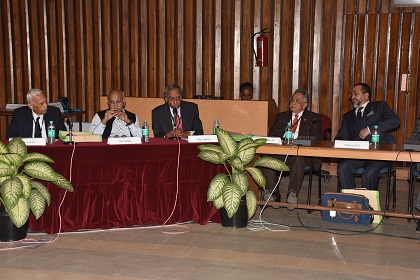
Ambassador Rajiv Bhatia, Distinguished Fellow, Gateway House gave the Chairman’s Remarks at ‘Regional Conclave on ASEAN@50 and India-ASEAN Relations’ in Bengaluru
Courtesy: Flickr
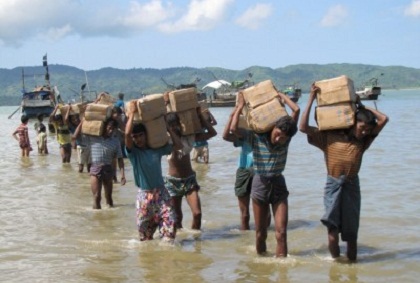
No easy solutions to this refugee problem are emerging despite the considerable international attention it has drawn. India has taken a pragmatic stand despite anxiety about deepening China-Myanmar ties
Courtesy: MEA/Flickr
Regional groupings in South Asia have turned out to be like diligent pupils whose report cards show performance below par. The reasons for such an impasse range from political divergences to the economic downturn and the much talked about China factor that has many implications for India
Courtesy: MEA/ Flickr
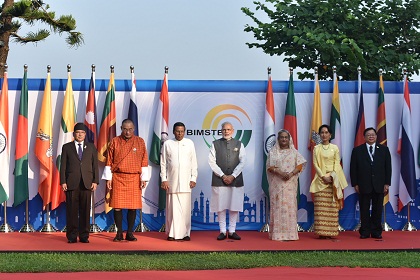
This regional grouping has to deliver on promises in collaboration with governments and corporate India so that neglected issues – from the Rohingya crisis to the scheduling of the next summit, and arriving at an agreement on the Free Trade Area – enter the national discourse
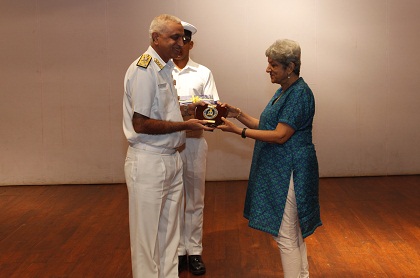
Courtesy: Western Naval Command
China has expanded its presence in the Indian Ocean Region. President Xi Jinping has abandoned Deng Xiaoping’s conciliatory posture for an aggressive, money-fuelled search for super power status
Courtesy: Narendra Modi Official/ Flickr
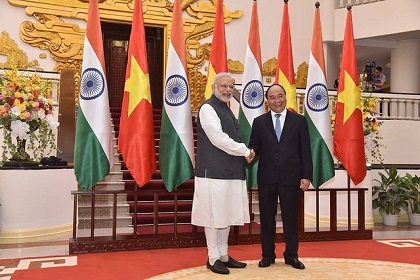
Vietnam has the highest level of bilateral relationship—or ‘Comprehensive Strategic Partnership’—with three countries: China, Russia and India. It envisages a much more active role in the region for India, but many factors mar such a development currently
Courtesy: Arjun Chawla
This speech was delivered by Rajiv Bhatia, Distinguished Fellow, Foreign Policy Studies, Gateway House, at the Delhi Dialogue 9, for the session on Regional Geopolitics: Great Power Politics in Asia -Pacific in Delhi on 4 July
Courtesy: MEA/ Flickr
This regional grouping, which was envisioned as a potential bridge between SAARC and ASEAN, turns 20 on June 6. It achieved very little until last year, when efforts to revive its original mission began quite by accident. It has the potential to make greater strides if member states adhere to their commitments.