Imperatives of regulatory diplomacy
Regulations are the new focus of economic statecraft. Their increasing importance is reflected in the negotiations on global financial standards, plurilateral trading rules, and regional economic unions.
Courtesy: Quartz
Regulations are the new focus of economic statecraft. Their increasing importance is reflected in the negotiations on global financial standards, plurilateral trading rules, and regional economic unions.
Courtesy: BBC
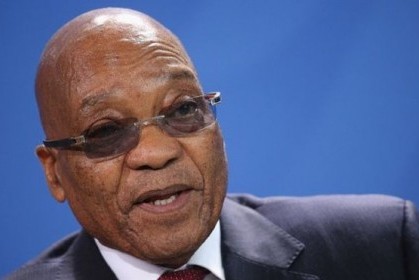
At present, South Africa finds itself charting political and economic policy uncertainties. This is not to suggest that the domestic political crisis will see different trajectories unfolding with regard to its BRICS/IBSA engagements, or on a broader foreign policy path, but it will have repercussions at the international level, in terms of investor confidence, credit ratings, and currency volatility. Pretoria will face constant pressure to be seen as a credible actor, especially when it comes to its African identity.
Courtesy: Roberto Stuckert Filho / Wikipedia
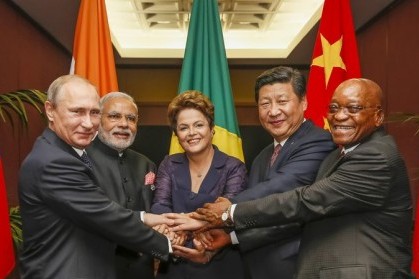
Although the BRICS caravan is passing through uncertain times, its major leaders appear determined to continue the journey as doing so is in the collective interest. The world is likely to hear more - not less - about BRICS in the foreseeable future.
Courtesy: Lexington Books
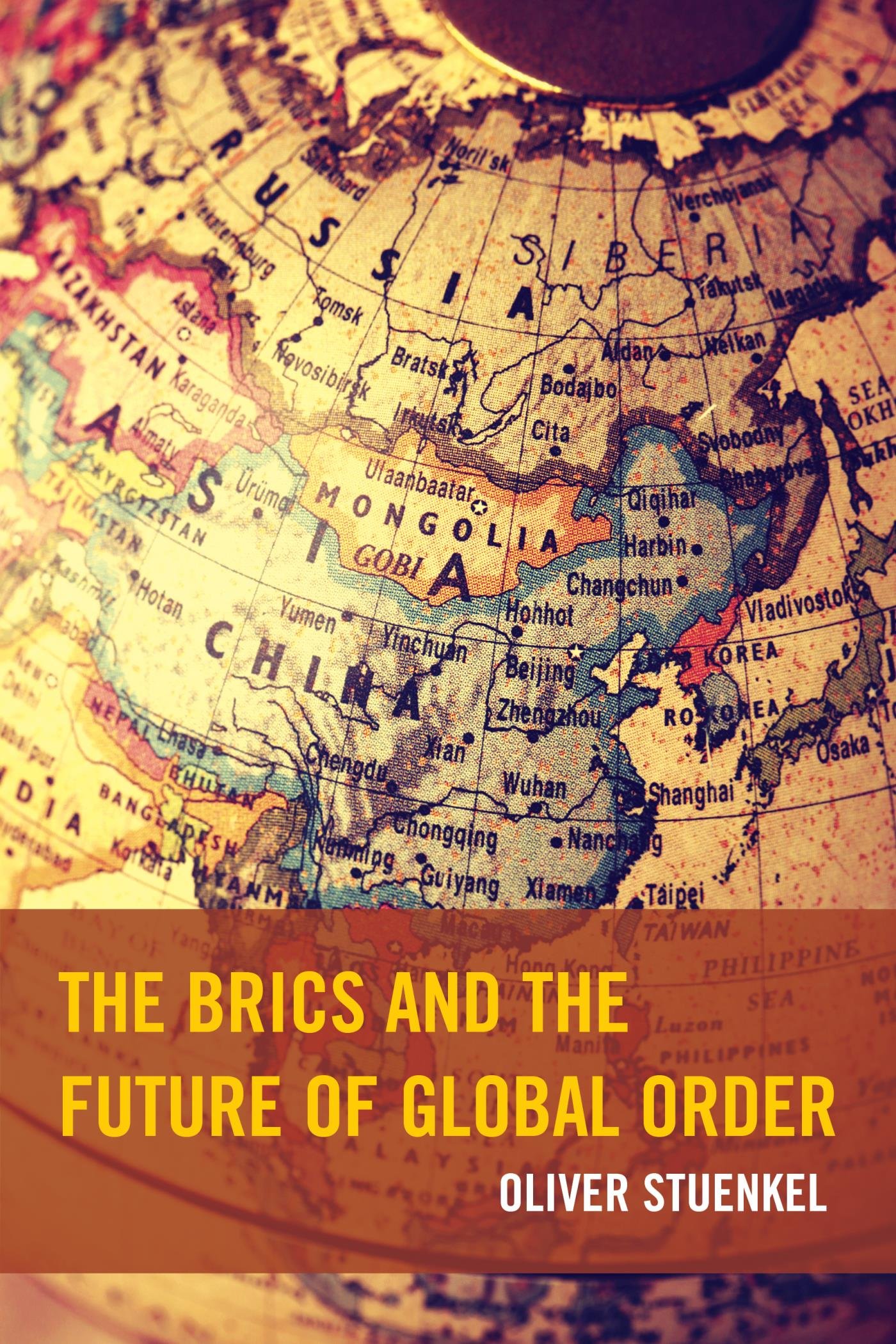
Oliver Stuenkel's book provides a well-researched account of the evolution of BRICS – starting from the forum’s inception in 2009 to the present – and the interactions between Brazil, Russia, India, China and South Africa on global issues.
Courtesy: Wikipedia
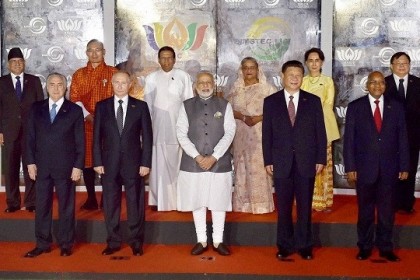
At a recent international seminar on BRICS Studies, in addition to the predictable themes such as building a multipolar world order and the One Belt One Road project, fresh ground was also covered, including the contours of the New Development Bank and the potential impact of the refugee crisis on BRICS countries.
Courtesy:
GLC Policy Conclave Session 1: The New Financial World Order Shashank Bengali (SB): So, Rajrishi, can you tell us basically what the circumstances were that led to the development of these new multilateral institutions? How did we get here? Read more
The Russian city of Ufa, capital of the Republic of Bashkortostan, played host to three major summits from July 8-10—BRICS, SCO and Russia's Eurasian Economic Union (EEU). Here are some of the characteristics and developments from the summit in numbers
Courtesy: Arun Sinha/Flickr
If, after nine years, BRICS remains a disparate grouping, and its trade and investment flows remain dismal, it is time to explore new avenues of cooperation to consolidate the alliance—and culture and education can provide the necessary cementing factor when combined with the New Development Bank
Courtesy: Wikipedia
The New Development Bank initiated by BRICS countries can reform and democratise global economic governance. But to reach this goal, in this critical period when the bank is preparing to operationalise, it must formulate an innovative institutional design. This article outlines four guiding principles for such a structure
Courtesy: Wikipedia
The Trans-Pacific Partnership might soon be concluded if the U.S. Congress fast-tracks it, as recently announced, while the Regional Comprehensive Economic Partnership Agreement remains on slow-track. But the TPP, although ambitious, follows an outdated template, and it is the dynamic RCEP that can be a model for a new global rules-based framework