Indian diaspora: soft power in the Indo-Pacific
The Indian diaspora has played a significant role in deepening the country's engagement with the Indo-Pacific nations. India can leverage this soft diplomacy to play a constructive role in the region.

 Courtesy: The Independent News & Media
The Indian diaspora has played a significant role in deepening the country's engagement with the Indo-Pacific nations. India can leverage this soft diplomacy to play a constructive role in the region.
 Courtesy: Gateway House
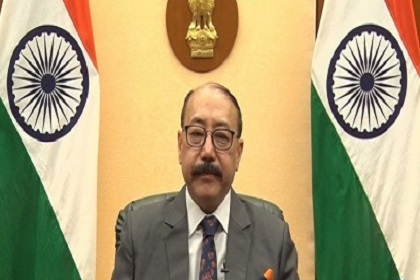
On 16 March 2022, Foreign Secretary, Harsh Vardhan Shringla, delivered the keynote address at the first roundtable of the India-France Track 1.5 Dialogue, co-hosted by Gateway House and Ifri. He traced the achievements of the bilateral, particularly in the areas of digital cooperation and energy transitions. He highlighted the "infinite possibilities" for the India-France partnership given their unique positions in the Indo-Pacific.
 Courtesy: Ciel et Terre
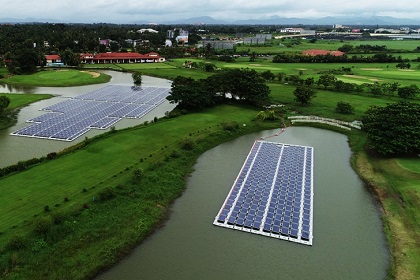
India and France have been actively working together to solve various sustainability issues from renewable energy generation to the blue economy and biodiversity conservation. There is so much more to do bilaterally with climate finance and urban sustainability, and multilaterally with the G20. All the ingredients are in place for a robust climate partnership.
 Courtesy: S. Jaishankar/Twitter
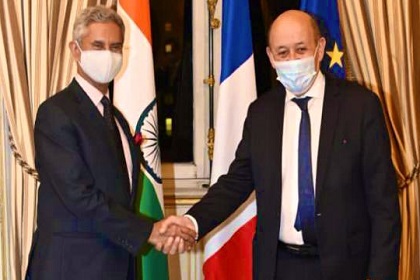
India and France have common interests bilaterally and multilaterally, and these are increasingly forging together. India must now step up its commitments to trade, technology and defence, all areas where France has an expertise and can make a greater contribution as India’s old allies like Russia become vulnerable.
 Courtesy: Shutterstock
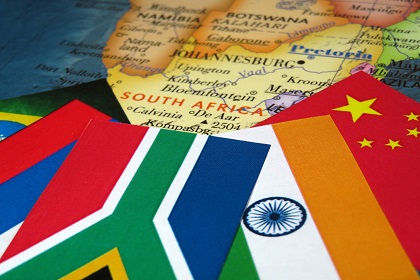
In the last two decades, there have been three India-Africa summits, a testament to the growth of bilateral relations. Rajiv Bhatia's book, India-Africa Relations: Changing Horizons, highlights Africa’s emergence as a global powerhouse, with several countries vying for a stake in the region. India’s unique political and economic development model appeals to the African, and can be used to forge an enduring relationship with the continent.
 Courtesy: BBC
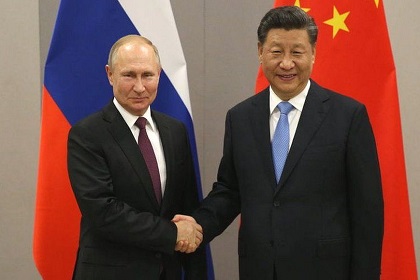
The 2022 Beijing Winter Olympics came to a close on 20 February. It was marked by Covid restrictions, athlete dramas, and a united diplomatic boycott by Western democracies citing human rights concerns in Xinjiang, a boycott India later joined for Galwan-related issues. In contrast with the unity presented by China and Russia with summit meetings in the lead up to the Olympics, shifting alliances are now the norm.
 Courtesy: Routledge India
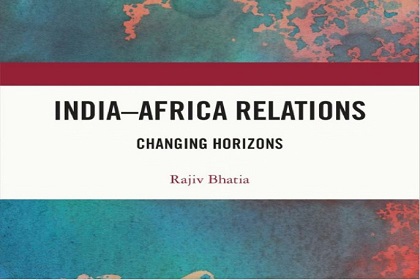
Nearly two decades since the launch of the India Development Initiative, India-Africa relations have evolved. This book by Rajiv Bhatia, a former high-ranking IFS officer, takes a deep dive into Indo-African engagement. Bhatia outlines the history and presents concise yet informative capsules of India's relationship with individual African countries. It is a useful roadmap for companies looking to do business there.
 Courtesy: Financial Times
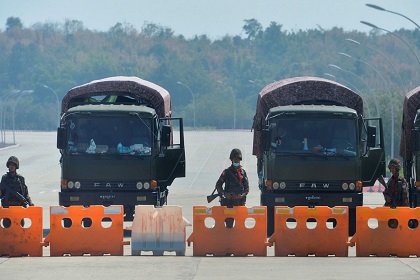
It has been a year since the democratically elected Myanmar government was overthrown in a military coup. Since then, economic instability and the pandemic have taken a toll on the nation. ASEAN's mediatory endeavours and Western sanctions have shown limited results. New Delhi's diplomacy must support ASEAN, while remaining pragmatic and protecting its interests in the country.
 Courtesy: NewsClick
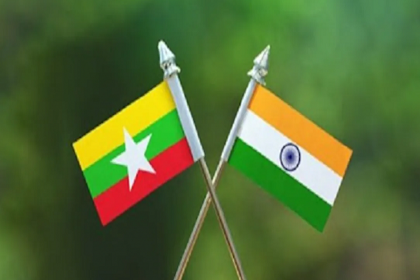
Foreign Secretary Harsh Vardhan Shringla's visit to Myanmar has implications for New Delhi's recognition of the new military government in Naypyidaw. India can support ASEAN to stabilise Myanmar, while also checking Chinese influence in that country. For stability in the neighbourhood is crucial to India's own security.
 Courtesy: ANI
India hosted a summit with five Central Asian states on January 27, marking 30 years of diplomatic relations with the region, and an important step forward to pursue greater connectivity between India and Central Asia. New Delhi's engagement holds promise for ambitious bilateral agendas including security in Afghanistan, the revival of dormant projects, and potential collaboration in renewable energy, space and information technology.