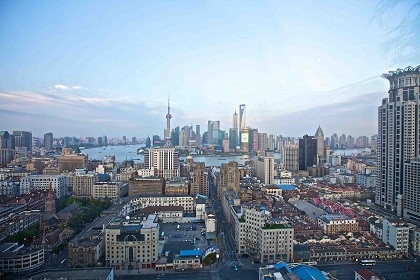
The Myth of Chinese Capitalism
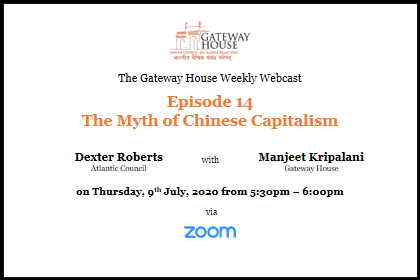
Dexter Roberts, Non-resident Senior Fellow, Asia Security Initiative, Atlantic Council & author of the newly-released book on the subject was in conversation with Manjeet Kripalani, Executive Director, Gateway House.

 Courtesy: Gateway House
Dexter Roberts, Non-resident Senior Fellow, Asia Security Initiative, Atlantic Council & author of the newly-released book on the subject was in conversation with Manjeet Kripalani, Executive Director, Gateway House.
 Courtesy: Gateway House
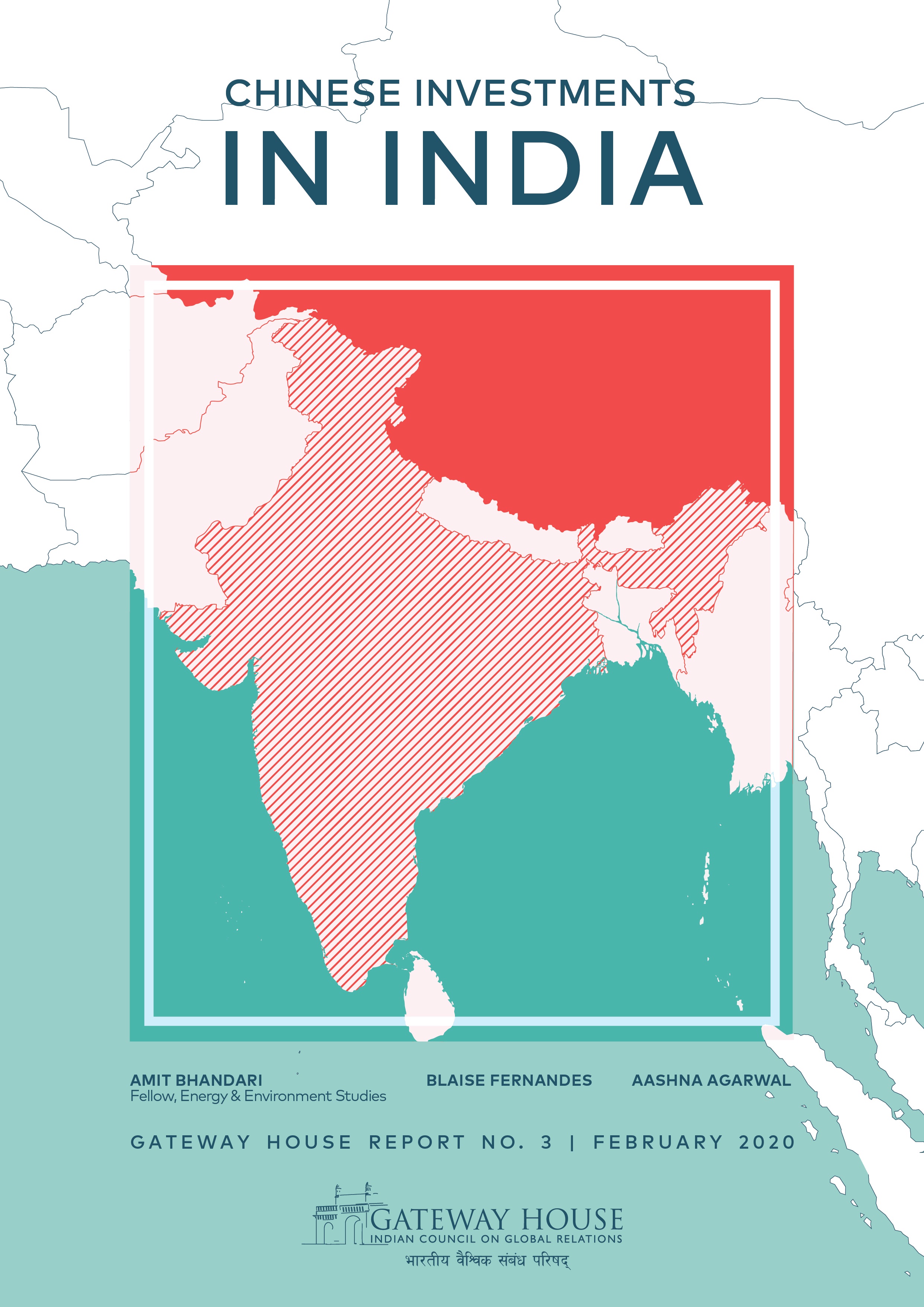
Amit Bhandari, Fellow, Energy & Environment, Gateway House was in conversation with Blaise Fernandes, Director, Gateway House. This discussion was moderated by Manjeet Kripalani, Executive Director, Gateway House.
 Courtesy: Gateway House
Over the last five years, China has quietly created a significant place for itself in India – in the technology domain. While India has refused to sign on to China's Belt and Road Initiative (BRI), this report shows India's positioning in the virtual BRI to be strategically invaluable for China. Nearly $4 billion in venture investments in start-ups, the online ecosystem and apps have been made by Chinese entities. This is just the beginning; there is more to come.
 Courtesy: Shutterstock
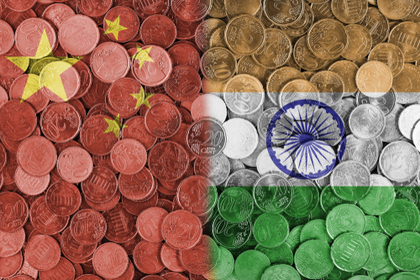
In India, China’s tech giant companies and venture capital funds have become the primary vehicle for investments in the country – largely in tech start-ups. This is different from other emerging markets where Chinese investments are mostly in physical infrastructure. Chinese FDI into India is small at $6.2 billion, but its impact is already outsized, given the increasing penetration of tech in India
 Courtesy: Shutterstock
Chinese investments in India’s soft power sectors, such as smartphones and apps, glitter like a diamond necklace around India. Here is anecdotal evidence of their reach and capacity to harvest more data than necessary, with recommendations for their regulation
 Courtesy: Enterprenuer.com
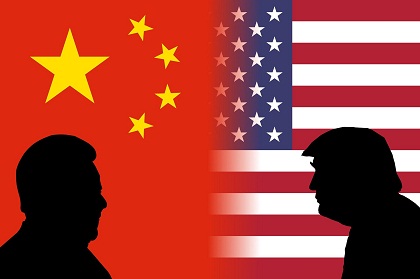
The U.S. strategy to impose steep tariffs on Chinese goods shipped to the U.S. has been puzzling since the tariffs are likely to hurt a large number of American enterprises based in China
 Courtesy: The Hindu
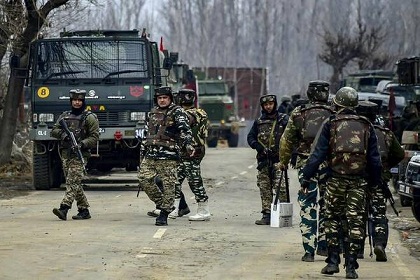
India has used military and diplomatic offensives against Pakistan as a response to the February 14 terrorist attack in Pulwama, Jammu and Kashmir. There are two more options available - legal, through sanctions, and economic - to curb Pakistan's dangerous adventurism. Gateway House explores both in the infographic below
The Chinese leadership faces a range of economic problems and not very palatable solutions, says Prof Heribert Dieter, Visiting Fellow at Gateway House, Mumbai, and Senior Fellow, German Institute for International and Security Affairs, Berlin, in this wide-ranging conversation with Gateway House. He also analyses the European perspective on China, the U.S.-China trade war and the role of global forums, such as G20
 Courtesy: akross
China’s economy is in trouble, a situation that has been exacerbated by the trade war with the U.S. They can either reduce the debt burden and accept slower growth or boost the already high level of debt, which can end in a slump.
 Courtesy: Foreign Affairs
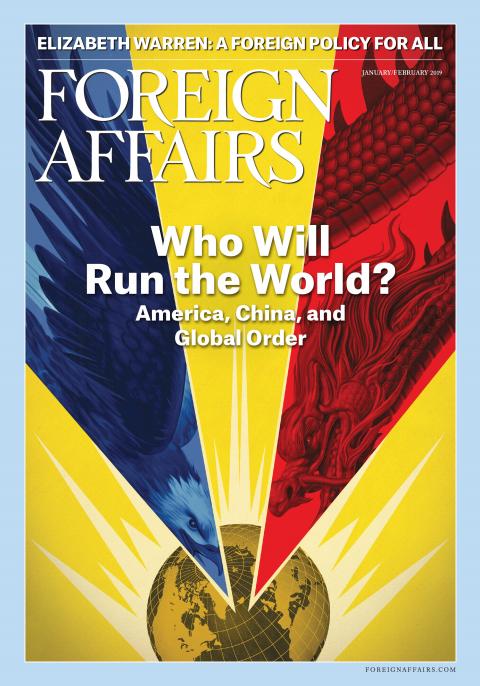
Although China does not want to usurp the United States’ position as the leader of a global order, its actual aim is nearly as consequential. As one Chinese official put it, “Being a great power means you get to do what you want, and no one can say anything about it.” In other words, China is trying to displace, rather than replace, the United States.