Zarif-Kerry Courtesy: Wikipedia
17 July 2015

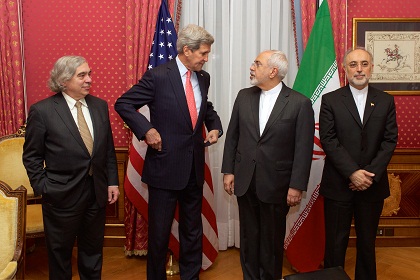
Iran sanctions: journey’s end

A journey which began in Istanbul in 2012 ended in triumph in Vienna in July 2014, as the P5+1 countries and Iran announced a Joint Plan of Comprehensive action that would see Iran free of all economic sanctions while upholding the right to a civil nuclear programme. While this journey, fraught with challenges, technically is over, the ratification battle in the U.S. congress commences now
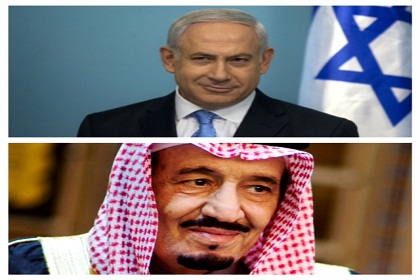
Israel-Saudi Courtesy: Wikipedia
13 July 2015

Reassessing our Israel, Arab engagement

The announcement in June of a Saudi-Israeli alliance against Iran has to be seen in the context of the strategic dimensions of India’s relations with Saudi Arabia, Israel, Iran, and the U.S. And it has far-reaching implications for India’s policy towards West Asia

Iran oil Courtesy: Wikipedia
2 July 2015

Iran deal can be India’s gain

A possible Iran nuclear deal means a longer window of lower oil prices. But the glut of oil supplies is already resulting in cutbacks to oil exploration and production spending, and will eventually lead to higher energy prices. Before that happens, India must use this opportunity to lock in prices

Petrobras Courtesy: Wikimedia Commons
11 June 2015

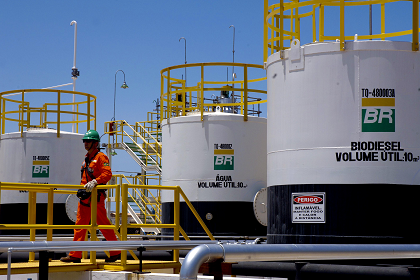
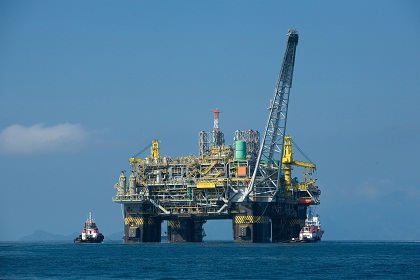
The rise and fall of Petrobras

Petrobras, which rose to become the fourth largest company in the world, is now battling a serious corruption scandal that has left its reputation in tatters. How did this global oil major scale such heights spectacularly and and then fall so low? There are lessons in this for India’s public sector oil companies.

Modi-Harper Courtesy: Wikimedia commons
14 April 2015

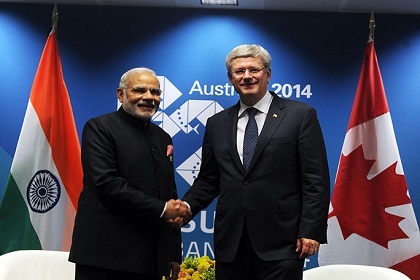
India-Canada: partners on nuclear energy

Canada’s nuclear energy sector has a lot to offer India—the sale of uranium, joint development of technology and best practices on regulations. Nuclear energy co-operation is also an area in which Canada and India can make substantial advancements quickly. We should not let this opportunity slip by

arak Courtesy: Wikipedia
7 April 2015

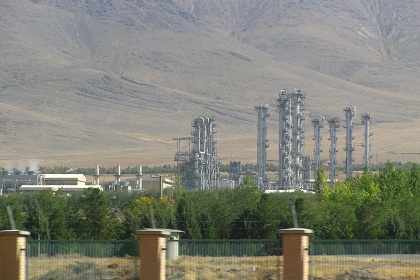
Arak nuclear reactor neutered

One of the long-standing issues in the Iran-P5+1 negotiations was Iran's Arak nuclear reactor because of its potential to produce weapons grade plutonium. The recent Iran-P5+1 agreement includes a resolution that has specific measures to ensure it is not used to used to produce nuclear weapons

P5+1 Talks With Iran in Geneva, Switzerland Courtesy: U.S. State department/Flickr
6 April 2015

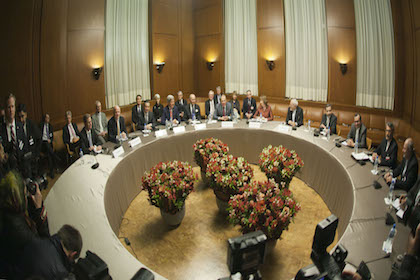
The end of the Iran nuclear journey?

With the EU, Iran, and other entities taking decisive steps on April 2 to ensure a non-nuclear Iran, President Obama must now counter interests in the U.S. that want to stymie the final agreement. But having come this far, and considering the comprehensive benefits of an agreement, all sides are sure to deliver

picstitch (5) Courtesy: Wikimedia commons
19 March 2015

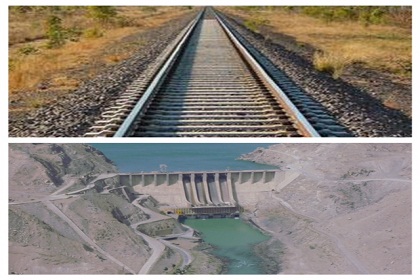
Assessing India’s infrastructure aid diplomacy

With the Modi government’s focus on improving neighbourhood relations, India cannot afford delays in its aid projects in the region—especially because aid is an effective foreign policy instrument. Why are these projects getting delayed? Is the government taking remedial steps to improve India’s aid programme?

Nuclear plant_2 Courtesy: indilens.com
30 January 2015

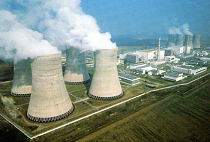
Decoding the nuclear deal for business

The India-U.S. nuclear agreement represents a $17 billion opportunity for Indian business. It will also help India secure fuel for its indigenous reactors, and contribute to cheap and plentiful energy. But a major concern remains—will these projects be efficiently executed?