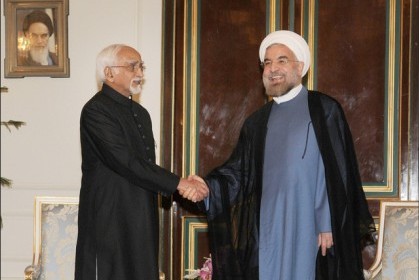
Ansari Rouhani 2013 MEA Flickr Courtesy: MEA Flickr
12 November 2015

Berthing a new era at Chabahar

The strategic and geopolitical importance of Iran’s Chabahar Port is not lost on India. It is for this reason that India is keen to partner with Iran on investing in developing berths at the Port. Although the relationship between the two have had its ups and downs, it is time that with a nuclear deal in place between Iran and the P5+1, India realises that it has much more at stake in its relationship with Tehran.

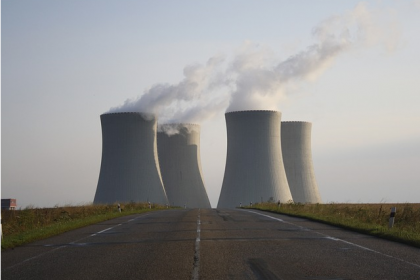
nuclear-reactors-499907_640 Courtesy: Pixabay
5 November 2015

Quiet burial for the nuclear deal?

Solar power developers have offered to sell electricity in India at less than Rs 5/unit. This makes solar competitive with traditional forms of energy, and makes new nuclear power plants financially unviable. India must register the changed reality, and discard the idea of expensive Western reactors. Time to scrap the India-U.S. nuclear deal?

OIl Tech Flickr Courtesy: epSos.de / Flickr
29 October 2015

How technology can cap oil prices

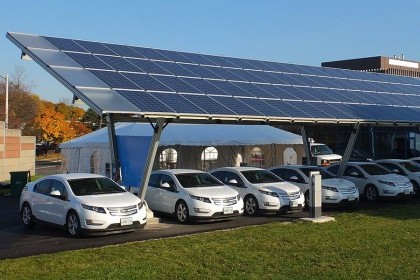
Developments in electric vehicles, battery technology, and renewable energy can make oil, coal, nuclear power interchangeable, if the appropriate technology is developed and marketed well.  And since the benefits include a permanent cap on energy prices, India must promote  its own industries in these areas and not remain a passive beneficiary.

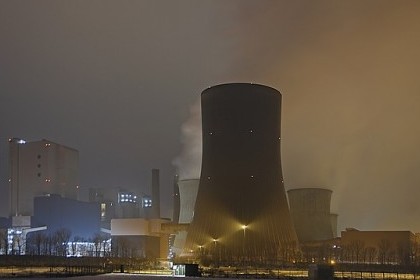
nuke power plant Courtesy: Pixabay
15 October 2015

Why India-U.S. energy ties are stuck

Even as India and Germany move ahead on energy cooperation, India-U.S. energy collaboration is stranded in the three key areas: nuclear power, shale gas, and solar energy. But with cheaper energy imports due to the fall in fossil fuel prices over the past 12 months, India can wait till it gets a better deal from the U.S.

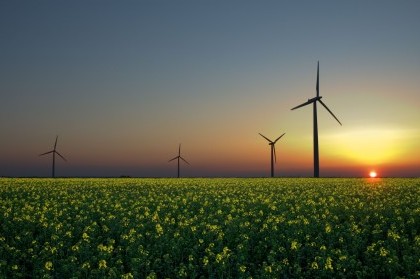
Alternative_Energies Courtesy: Jürgen / Flickr
3 September 2015

Germany’s energy model for India?

In Germany in June 2015, G7 countries made major commitments towards decarbonisation and reduction in greenhouse gases, which will lead to binding decisions at the COP-21 conference in Paris in December. Germany pushed for these outcomes, and as one of the most energy efficient countries in the world its technology and expertise can help India’s targets of alternative energy and sustainable industry.

Zarif-Kerry Courtesy: Wikipedia
17 July 2015

Iran sanctions: journey’s end

A journey which began in Istanbul in 2012 ended in triumph in Vienna in July 2014, as the P5+1 countries and Iran announced a Joint Plan of Comprehensive action that would see Iran free of all economic sanctions while upholding the right to a civil nuclear programme. While this journey, fraught with challenges, technically is over, the ratification battle in the U.S. congress commences now

Israel-Saudi Courtesy: Wikipedia
13 July 2015

Reassessing our Israel, Arab engagement

The announcement in June of a Saudi-Israeli alliance against Iran has to be seen in the context of the strategic dimensions of India’s relations with Saudi Arabia, Israel, Iran, and the U.S. And it has far-reaching implications for India’s policy towards West Asia

Iran oil Courtesy: Wikipedia
2 July 2015

Iran deal can be India’s gain

A possible Iran nuclear deal means a longer window of lower oil prices. But the glut of oil supplies is already resulting in cutbacks to oil exploration and production spending, and will eventually lead to higher energy prices. Before that happens, India must use this opportunity to lock in prices

Petrobras Courtesy: Wikimedia Commons
11 June 2015

The rise and fall of Petrobras

Petrobras, which rose to become the fourth largest company in the world, is now battling a serious corruption scandal that has left its reputation in tatters. How did this global oil major scale such heights spectacularly and and then fall so low? There are lessons in this for India’s public sector oil companies.