Indian diaspora: soft power in the Indo-Pacific
The Indian diaspora has played a significant role in deepening the country's engagement with the Indo-Pacific nations. India can leverage this soft diplomacy to play a constructive role in the region.

 Courtesy: The Independent News & Media
The Indian diaspora has played a significant role in deepening the country's engagement with the Indo-Pacific nations. India can leverage this soft diplomacy to play a constructive role in the region.
 Courtesy: Ministry Of External Affairs
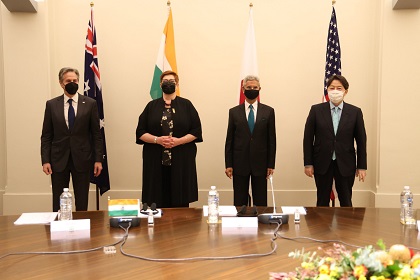
The Quad Foreign Ministers’ Meeting, held in Melbourne on February 11, revealed an ambitious plan for economic and developmental affairs, beyond the security concerns posed by China. Despite differing approaches towards Myanmar and Ukraine, the Quad countries are strengthening their cooperation while maintaining strategic autonomy.
 Courtesy: Gateway House
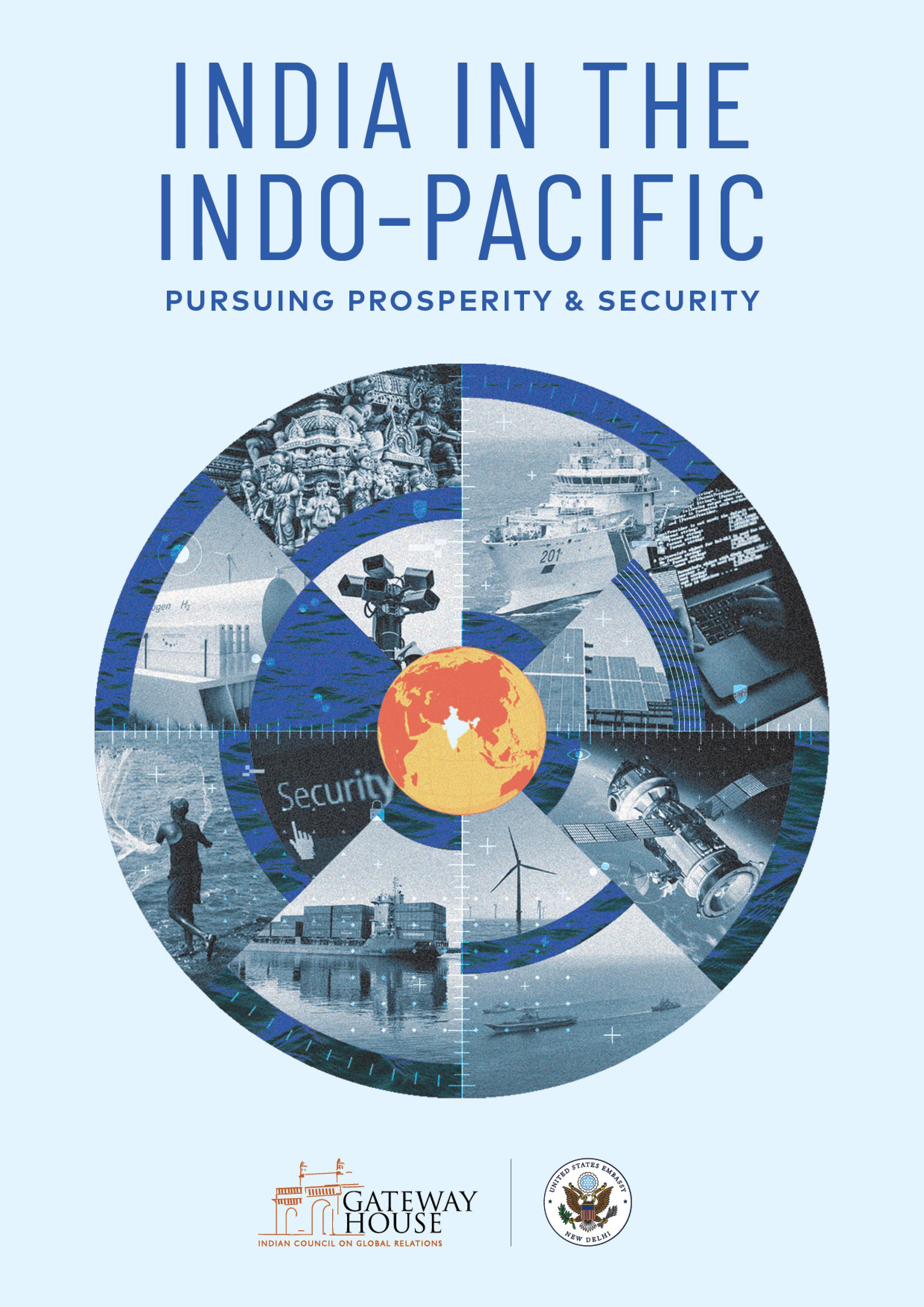
The Indo-Pacific has become an important part of global geopolitics in the recent past, with several great powers implementing concerted Indo-Pacific policies to create economic, social and security linkages with the region. India can use its development experience and futuristic technology to secure stability and prosperity. This compendium of essays explores the comprehensive role that India can play in the Indo-Pacific, from energy and environment, to trade, security, technology and a vibrant diaspora.
 Courtesy: Shutterstock
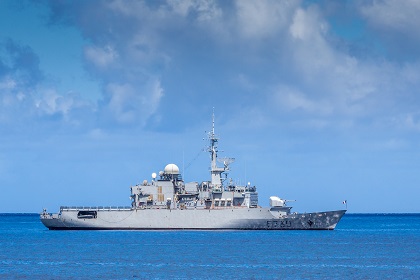
Nine great powers and a number of important multilaterals have vested interests in the Indo-Pacific. Given the U.S.-China standoff in the region, the role of new groupings like the Quad and AUKUS is significant. The time is ripe for India to use its position in the region, and convert its humanitarian duties into economic and strategic opportunities in 2022.
 Courtesy: Shutterstock
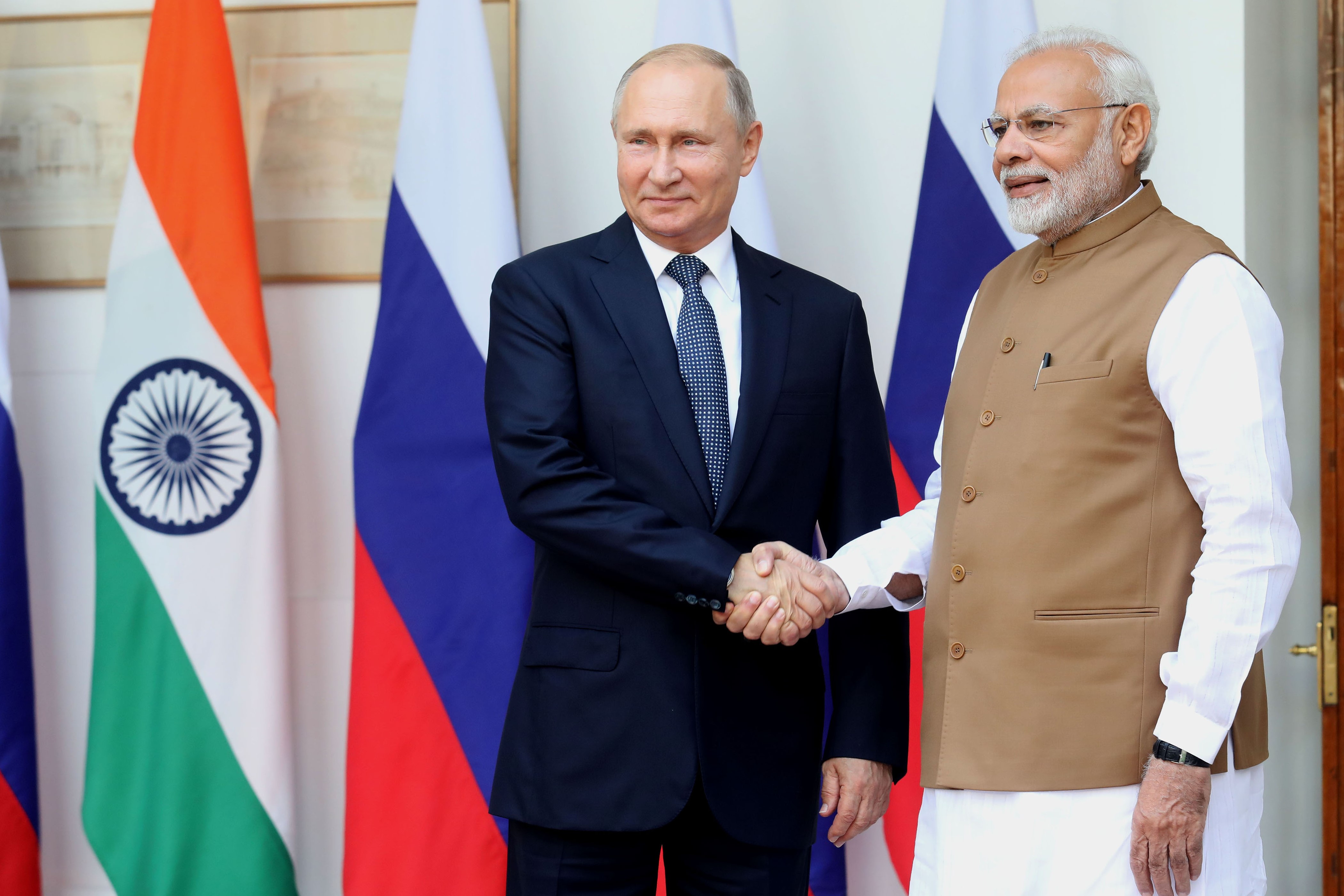
The India-Russia leaders’ summit and ministerial meetings in New Delhi on Dec. 6, scored big. Differences were set aside to make transformative progress in defence, fintech and connectivity among other sectors, commencing a new era of India-Russia relations fit for the 21st century.
 Courtesy: Shutterstock
The two nations should take a clear-eyed review of the current state of their ties with an emphasis on intensifying dialogue in the new sectors.
 Courtesy: Club of Three
The EU's Indo-Pacific strategy, released in September, set the tone for a renewed focus on the region. Europe's Asia connect is rich, strong and multi-layered, laying the foundation for an advantageous position for the EU in the Indo-Pacific. This can be achieved if the EU is more candid with itself, more assertive with China, and more cooperative with India.
 Courtesy: Shutterstock
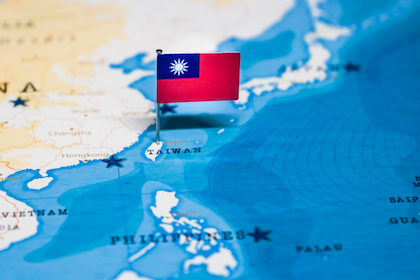
The notion of “peaceful reunification” of China with Taiwan has been a geopolitical fiction that has been now shredded by Beijing’s talk of taking Taiwan by force. Should Taiwan go under and much of Asia fall to Chinese hegemony, India’s interests will be as threatened as America’s, or perhaps even more.
 Courtesy: Twitter | @AP
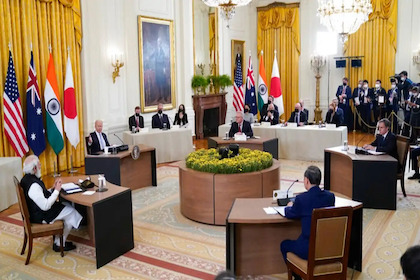
The first in-person Quad Leader's Summit drew global attention for its symbolism and substance. A critical analysis of its outcome shows that the institutionalisation of the organisation has begun. India has a chance to work with the advanced economies, on an equal footing and with much to contribute.
 Courtesy: Flickr
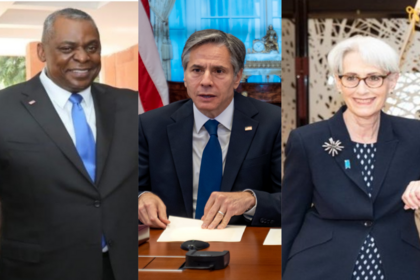
Three senior U.S. officials visited Asia in July in a well-choreographed diplomatic outreach strategy by the Biden administration. The U.S is willing to prioritise the Indo-Pacific and counter China. Asia cannot afford to be a reticent bystander.