India’s Strategic Imperative in the South Pacific
This report analyses the significance of expanding India’s engagement with the South Pacific in the backdrop of mounting global interest in the region

 Courtesy: Madhu Amodia
This report analyses the significance of expanding India’s engagement with the South Pacific in the backdrop of mounting global interest in the region
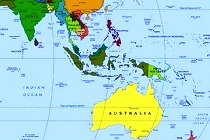 Courtesy: Martyn Wright/Flickr
This edition of Policy Perspectives discusses how the two leading maritime powers among Indian Ocean states, India and Australia – which will take over from India as Chair of the IOR-ARC at its ongoing meeting in Perth – can consolidate a strategic partnership that spans the Indo-Pacific
 Courtesy: Legaleagle86/Wikimedia Commons
Policy Perspectives from Gateway House give an overview of a global issue that has implications for India’s policy-making and business community. This edition focuses on the global IPR framework and the need for new business models that can cater to public health concerns
 Courtesy: NASA's Marshall Space Flight Center/Flickr
An increase in the global demand for rare earth elements, used in high-technology industries, coupled with limited supplies on Earth, has accelerated extra-terrestrial exploration. International cooperation and competition for these space-based resources will determine the next human footprint and race in space.
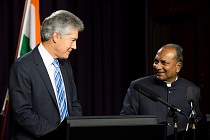 Courtesy: Australian Government Department of Defence
Defence Minister A. K. Antony’s visit to Australia this week was a significant step forward in the defence relationship. In coming years an India-Australia partnership will be important for managing maritime security in the Indian Ocean and will also have implications for security in Southeast Asia and the Pacific
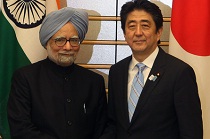 Courtesy: Ministry of External Affairs, India
During his visit to Japan, Prime Minister Manmohan Singh spoke of the need to increase bilateral consultations on strategic issues. This, and other moves, indicate new developments in India’s Look East Policy, with alternative security and economic scenarios for regional actors in the context of the rise of China
 Courtesy: Jessica Taekman/Flickr
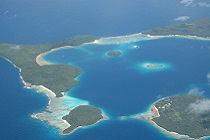
Indian Prime Minister Manmohan Singh and Japan’s Shinzo Abe are giving heft to a renewed partnership and a focus on the Indo-Pacific. Both nations must collaborate and work with South Pacific countries, especially Tonga, to counter China’s growing influence in this increasingly geopolitically important region
 Courtesy: Pete Souza/The White House
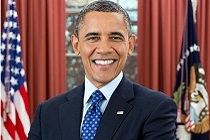
The announcement of the Pacific pivot by the U.S. in 2001 has led to several nations making bold political moves. However, the U.S. isn’t yet ready to be a regional protector against China. What does Washington have to do to prepare itself for the Pivot?
 Courtesy: mpeacey/Flickr
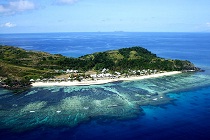
Traditionally, the South Pacific islands have been considered strategically insignificant. However, the need for resources, and the geopolitical shift towards Asia-Pacific have prompted nations to realize that these small island states control large resource-rich ocean areas and are increasingly geostrategic.
 Courtesy: Gateway House
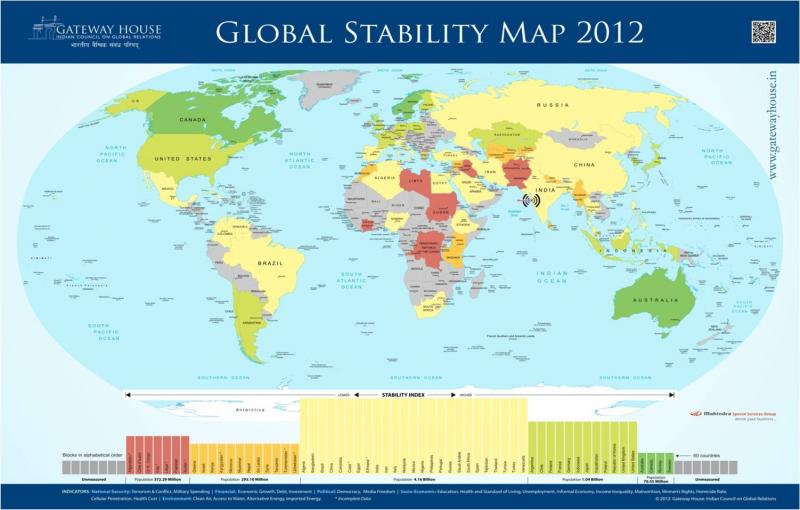
Gateway House prepared a Global Stability Map, using 20 differing indicators, to analyze the stability of 60 countries around the world. Using criteria that are important to the emerging economies of the world, the map provides an Indian perspective of the world today.