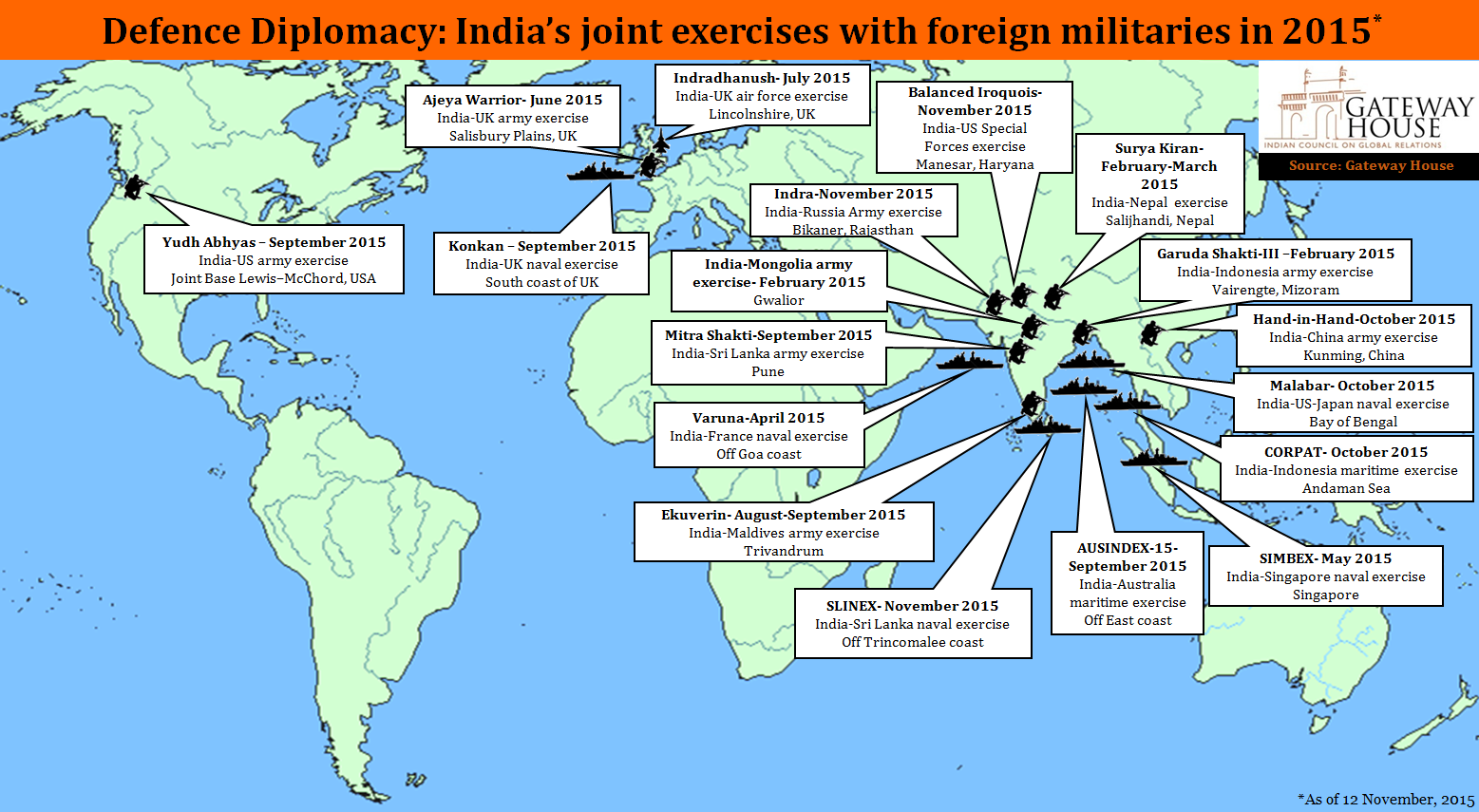
This year, India's defence diplomacy has ramped up. In 2015 alone there have been 18 military exercises- naval, army and air force- with 13 countries, among the largest engagements the country has had. Most significant is Japan joining the Malabar exercises in the Bay of Bengal and the first-ever maritime exercise with Australia. This is increasing India's presence from the Arabian Sea to the Bay of Bengal. As these exercises intensify India will be better positioned to handle regional security challenges. Courtesy:
12 November 2015

India’s defence diplomacy

This year, India's defence diplomacy has ramped up. In 2015 alone there have been 18 military exercises- naval, army and air force- with 13 countries, among the largest engagements the country has had. Most significant is Japan joining the Malabar exercises in the Bay of Bengal and the first-ever maritime exercise with Australia. This is increasing India's presence from the Arabian Sea to the Bay of Bengal. As these exercises intensify India will be better positioned to handle regional security challenges.

U.S. Mission / Eric Bridiers Courtesy: Wikipedia
8 October 2015

UNSC and sanctions: a balanced role

The sanctions against Iran impacted the country’s oil, banking, aviation, and other sectors, and had a major humanitarian impact. But neither is armed attack a more suitable method in most instances to address allegedly recalcitrant states. What then is the middle ground? And can the UNSC assume a more proactive role in this context?

TTIP Courtesy: openDemocracy / Flickr
8 September 2015

India’s lurking TTIP challenge

If the Transatlantic Trade and Investment Partnership moves ahead after further negotiations were held in July, Indian exporters could be disadvantaged. Instead, India must be ready to use the further opening up of huge markets across the Atlantic, and adopt trade policies that mix regionalism and multilateralism.

Middle Powers Courtesy: Wikimedia Commons
2 July 2015

Why middle powers matter to India

Narendra Modi, who spent nearly two months abroad in his first year as prime minister, helped India cultivate a wide range of bilateral and multilateral relationships. But of these, it will be the middle powers that hold the key, economically and geopolitically to India’s growth and security, and Modi must continue to widen his middle powers arc

modi in france Courtesy: MEA India
23 April 2015

How the French media covered Modi’s visit

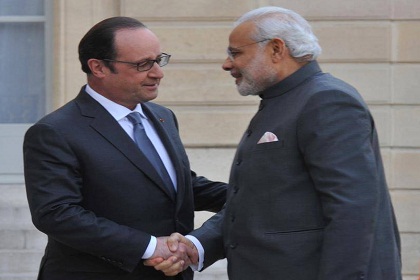
The French media’s reportage of Modi’s recent visit to France was limited but significant, and inevitably a lot of it was about the Rafale deal. Various other issues were covered, including the nuclear reactor project in Jaitapur. Some newspapers recommended that France must heavily invest in India, while some expressed concerns, but on the whole the coverage has generated enthusiasm

11073917_905415732813559_1037676062455774781_o Courtesy:
9 April 2015

Beyond the Rafale deal

The France-India relationship must not be overshadowed by the Rafale deal. Modi’s visit can be the opportunity to add fresh energy in the economic relationship by harnessing economic complementarities.

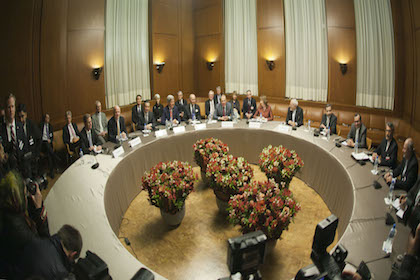
P5+1 Talks With Iran in Geneva, Switzerland Courtesy: U.S. State department/Flickr
6 April 2015

The end of the Iran nuclear journey?

With the EU, Iran, and other entities taking decisive steps on April 2 to ensure a non-nuclear Iran, President Obama must now counter interests in the U.S. that want to stymie the final agreement. But having come this far, and considering the comprehensive benefits of an agreement, all sides are sure to deliver

beijing_shows_kunqu_opera_1 Courtesy: Wikimedia Commons
5 December 2014

A year of India-China friendship

2014 was celebrated as the year of India-China friendship with many joint high level diplomatic, defence and cultural events to strengthen relations. The cities of New Delhi and Mumbai will see the debut of the Chinese Kunqu Opera to mark the close of the year