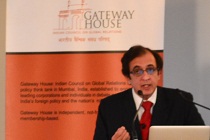
A new, consensual world order
The era of globalisation is drawing to a close and a new one is emerging—an era of bilateralism over globalisation, of domestic over foreign focus, and reality-based policy-making

 Courtesy: IB Times
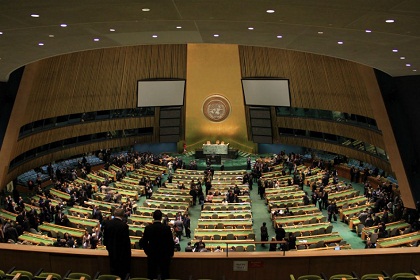
The era of globalisation is drawing to a close and a new one is emerging—an era of bilateralism over globalisation, of domestic over foreign focus, and reality-based policy-making
 Courtesy: Wikimedia Commons
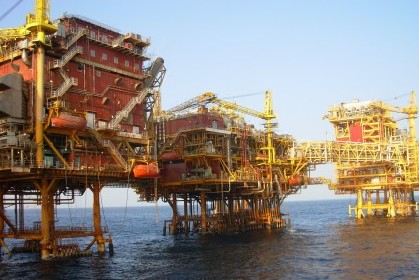
India’s gas consumption is lower than the EU’s, but it too, like the EU, relies heavily on imports. With LNG likely to remain a key part of India’s gas supplies in the future, and given recent changes in the global market, what is the future potential of LNG imports for the EU and India? What are the best energy policies for the two regions?
 Courtesy:
Gateway House: Indian Council on Global Relations, in partnership with Istituto Affari Internazionali (IAI) – one of Italy’s leading think tanks on international affairs, participated in the European Union- India Think Tanks Twinning Initiative for the year 2016. Titled: ‘Moving forward the EU-India Read more
 Courtesy: Business Insider
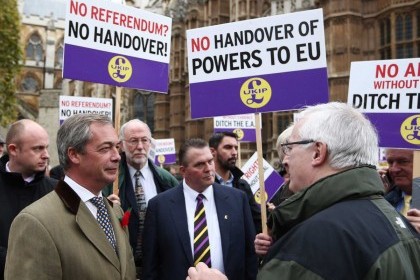
The message from Brexit is simple: the post-second world war financial, trade and industrial order and security arrangements that developed around Bretton Woods, have passed their expiry date. This is the time for countries, regional unions and global institutions to reform themselves – putting people instead of regulations and strategic objectives at the centre of their decision-making.
 Courtesy: Wikipedia
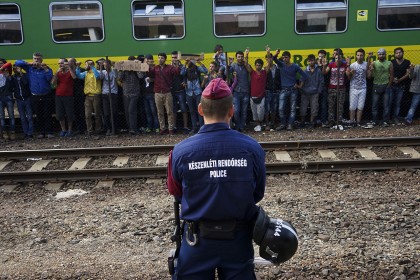
While the closing of borders to refugees in Europe and West Asia could be interpreted as proof that national borders are more important now than ever, the sheer numbers of refugees make strengthening borders a severely inadequate solution.
 Courtesy: MEA, UK in Italy/Flickr
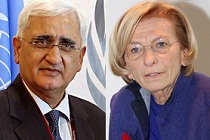
The National Investigation Agency’s decision to charge the two Italian marines – who are accused of killing two Indian fishermen – has led to an uproar in Italy. The case, complicated by legal, diplomatic, political and security issues, has implications for India-Italy and India-EU ties
 Courtesy: Somenametoforget/Flickr
Conventional political parties around the world seem to be on the decline, and there are common factors too – precarious economies and a leaching of ideology, for example. How can countries achieve grassroots empowerment in their village republics, and those of ordinary citizens the world over?
 Courtesy: Sugeesh/WikimediaCommons
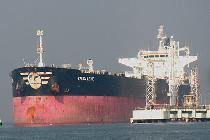
Bilateral relations between India and Italy grew increasingly tense following Italy’s refusal to return two of their Marines – who are accused of killing two Indian fishermen. Given how both countries otherwise enjoy warm relations, how should New Delhi address this diplomatic debacle?

The recent allegations of corruption against the sale of AgustaWestland helicopters has renewed serious concerns on foreign defence acquisition in India. The larger question is this: to what extent does corruption really affect national security? Aakash Brahmachari blogs.
As India’s growth slows, it becomes increasingly important to enact reforms so it can return to its intended growth rate of 9%. Gateway House’s Hari Seshasayee interviews Anoop Singh, Director of Asia and Pacific at the IMF, to discuss the impact of the Euro zone crisis on India and the way forward for Asia.