A new, consensual world order
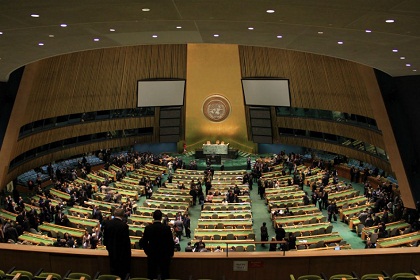
The era of globalisation is drawing to a close and a new one is emerging—an era of bilateralism over globalisation, of domestic over foreign focus, and reality-based policy-making

 Courtesy: IB Times
The era of globalisation is drawing to a close and a new one is emerging—an era of bilateralism over globalisation, of domestic over foreign focus, and reality-based policy-making
 Courtesy: Somenametoforget/Flickr
Conventional political parties around the world seem to be on the decline, and there are common factors too – precarious economies and a leaching of ideology, for example. How can countries achieve grassroots empowerment in their village republics, and those of ordinary citizens the world over?
 Courtesy: nazeah/Wikimediacommons - Ramesh Lalwani/Flickr
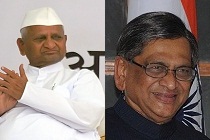
The year 2011 saw various events - the Arab Spring, anti- corruption protests, Europe's sovereign debt crisis - transform countries and reshape the world order. Gateway House takes a look at what these events mean for India, and presents India's top foreign policy cheers and jeers for the year.
 Courtesy: WorldEconomicForum/Flickr
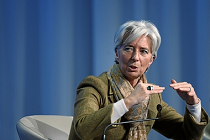
As the new head of the IMF, Christine Lagarde’s experience in cajoling world leaders will go some way in negotiating the European bailouts. The real challenge, however, will be trying to raise funds for anything as large as Italy.
 Courtesy: FourthFloor/Flickr
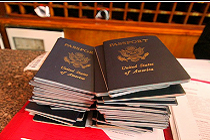
Despite their economic downturns, domestic tensions keep developed countries from embracing the revitalizing potential of foreign workers. Ambassador Neelam Deo argues that India should continue to leverage its history of diversity and capitalize on a world more open to the free flow of goods and services.
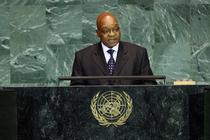 Courtesy: UNPhoto/MarcoDormino
A new United Nations doctrine is revolutionising the manner in which Western powers achieve regime change. Under the pretext of “Responsibility to Protect” –as the doctrine is named –armed intervention does not depend on the aspirations of a populace but the facilitation of existing power equations