Seeking dignity and direct democracy
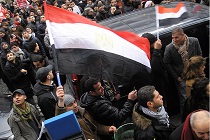
The leaderless protests are upending traditional definitions of leadership and forms of hierarchy. Instead, the protestors are seeking some form of direct democracy and dignity.

 Courtesy: Jacques Delarue/Wikimedia Commons
The leaderless protests are upending traditional definitions of leadership and forms of hierarchy. Instead, the protestors are seeking some form of direct democracy and dignity.
 Courtesy: Semilla Luz/ Flickr
The protests in Brazil, Turkey, Egypt and India are bound by a common thread of grievances against misuse of government power and corruption. These modern protests show a marked decline in government trust, even though may not always have clear objectives
 Courtesy: Gateway House
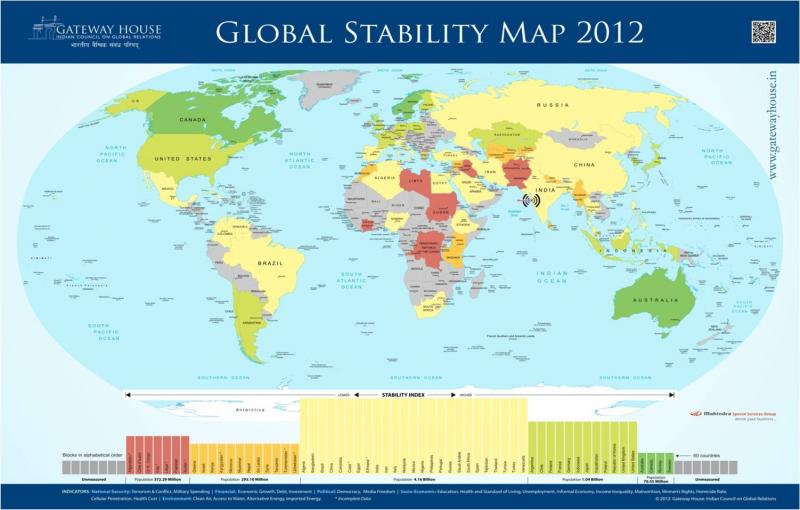
Gateway House prepared a Global Stability Map, using 20 differing indicators, to analyze the stability of 60 countries around the world. Using criteria that are important to the emerging economies of the world, the map provides an Indian perspective of the world today.
The scope for any process on nuclear talks with Iran to founder on distrust, misunderstanding and political in-fighting in both Tehran and Washington remains formidable. Equally disturbing are the wider political realities. Can the upcoming talks in Istanbul launch a process that can, over time, lead to agreement?
 Courtesy: nazeah/Wikimediacommons - Ramesh Lalwani/Flickr
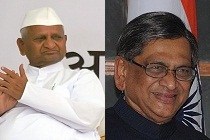
The year 2011 saw various events - the Arab Spring, anti- corruption protests, Europe's sovereign debt crisis - transform countries and reshape the world order. Gateway House takes a look at what these events mean for India, and presents India's top foreign policy cheers and jeers for the year.
 Courtesy: JonathanRashad/Flickr
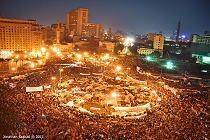
As the Arab world remains engulfed in protests, there may be lessons to be learned from other recent democratic converts. Latin America’s growth story may provide the Arab world with some recommendations on how to address socio-economic issues in the post-revolution scenario.