PM Modi’s five-nation tour
PM Modi's five-nation tour highlights that despite geopolitical conflicts, New Delhi remains confident in its ability to balance relationships with the North and South.

 Courtesy: X / PMOIndia
PM Modi's five-nation tour highlights that despite geopolitical conflicts, New Delhi remains confident in its ability to balance relationships with the North and South.
 Courtesy: The China-Global South Podcast
In the current era of geopolitical uncertainty, the Middle Power states are deepening engagement with countries of the Global South while reducing their exposure to the U.S. and China. Manjeet Kripalani and Carlos Coelho spoke to Eric and Cobus from The China-Global South Podcast, on how countries like India and Brazil are navigating this increasingly contested world.
 Courtesy: The Diplomatist
The traditional label of ‘middle power’ fails to capture India’s growing status. The country’s ability to shape the international discourse is no longer in question. India sees itself as a key player the global order.
 Courtesy: Körber-Stiftung
The world is undergoing profound transformations that are not being driven only by the United States, China or Russia. Small and medium-sized States are carving out a legitimate place for themselves in the emerging new order. This second edition of our annual Emerging Middle Powers Report is a reminder that the signs of the times are showing a new momentum for middle powers.
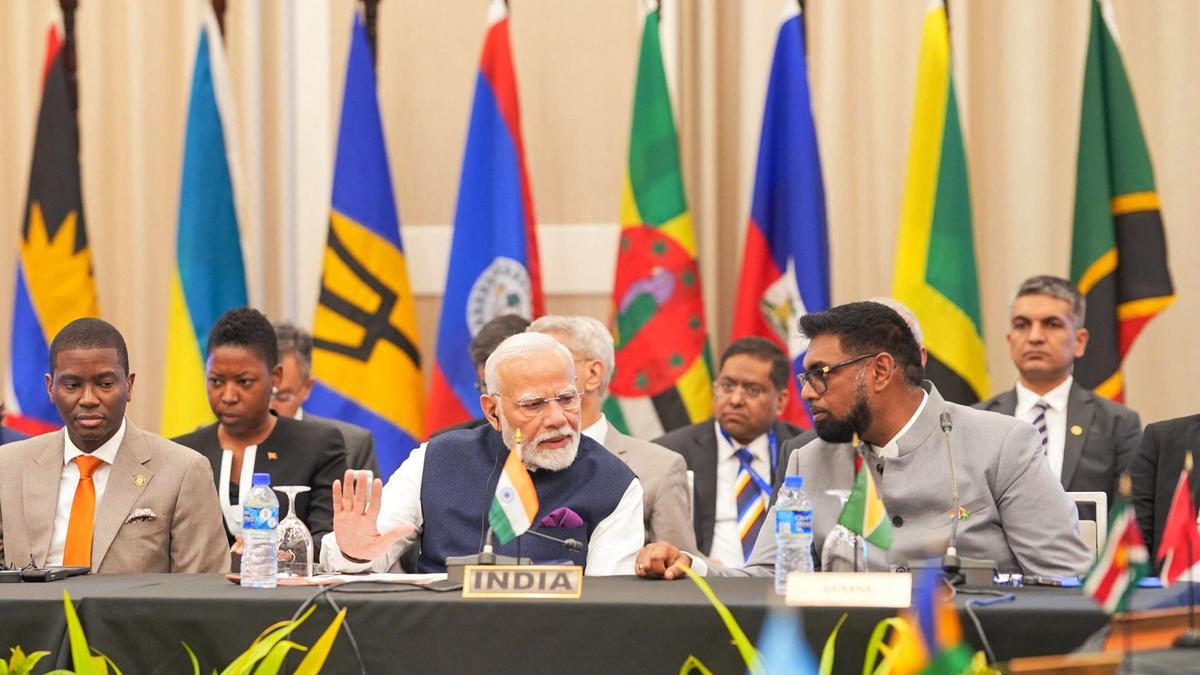 Courtesy: The Hindu
Prime Minister Narendra Modi’s six-day visit to Nigeria, Brazil, and Guyana in November resulted in several bilateral agreements on economic, developmental, energy and technological cooperation. The trip highlighted India’s strategic and diplomatic priorities in Africa, Latin America and the Caribbean and offered the country an opportunity to position itself as a key partner for sustainable development and multilateral cooperation in the Global South.
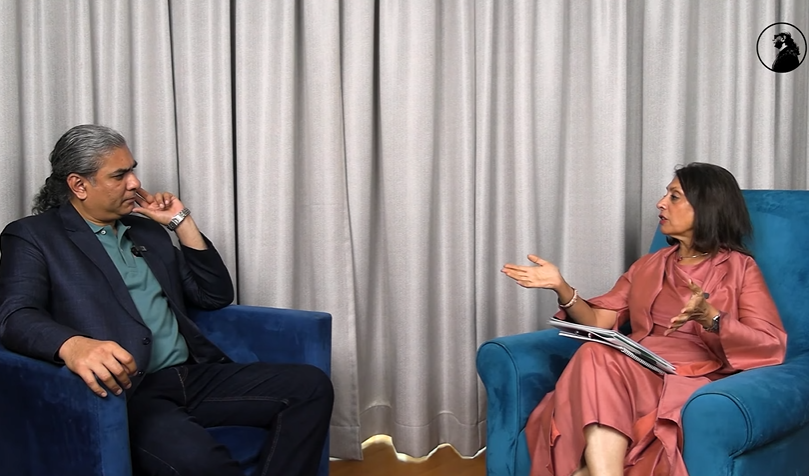 Courtesy: Abhijit Chavda Podcast
Emerging middle powers like India, Brazil and South Africa are articulating their interests on the global stage with growing assertiveness. Manjeet Kripalani, Executive Director, Gateway House, joins Abhijit Chavda on his eponymous podcast to discuss changing dynamics between the West and the Global South, and how western and emerging middle powers can collaborate on shared priorities like multilateral reform, technology transfer and international trade.
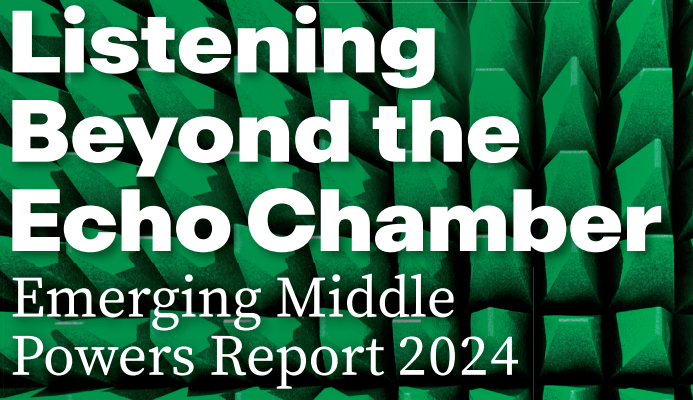 Courtesy: Körber-Stiftung
Divergent global reactions to major crises such as those sparked by the war in Ukraine and NATO’s Afghanistan withdrawal have widened the chasm between Western countries and emerging middle powers. This survey, conducted among nearly 1,000 experts from India, Brazil, South Africa and Germany, examines key foreign policy priorities in these countries, and reveals that despite differences, dialogue is possible.
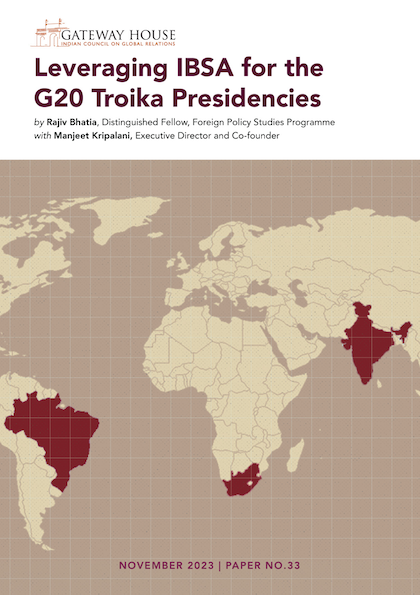 Courtesy: Gateway House
On December 1, 2023, India will hand over the G20 Presidency to Brazil. The G20 troika will now comprise the three IBSA countries – India, Brazil, South Africa – till November 2025. This trio has an agenda in common and with the G20, such as multilateral reform, energy transitions and digitalisation. IBSA should use its mechanisms and natural solidarity to advance the interests of the Global South.
 Courtesy:
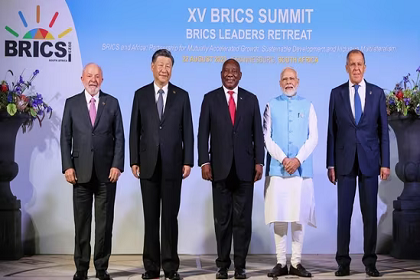
The BRICS Summit in Johannesburg has drawn international attention to the grouping’s past record of achievements and failures, its strained internal dynamics, and new challenges. As BRICS heads into its 18th year, its success and way forward will depend on the members’ ability to tackle the principal challenge of retaining its internal solidarity while balancing expansion and its impact and influence in the world.
 Courtesy: Asia Times
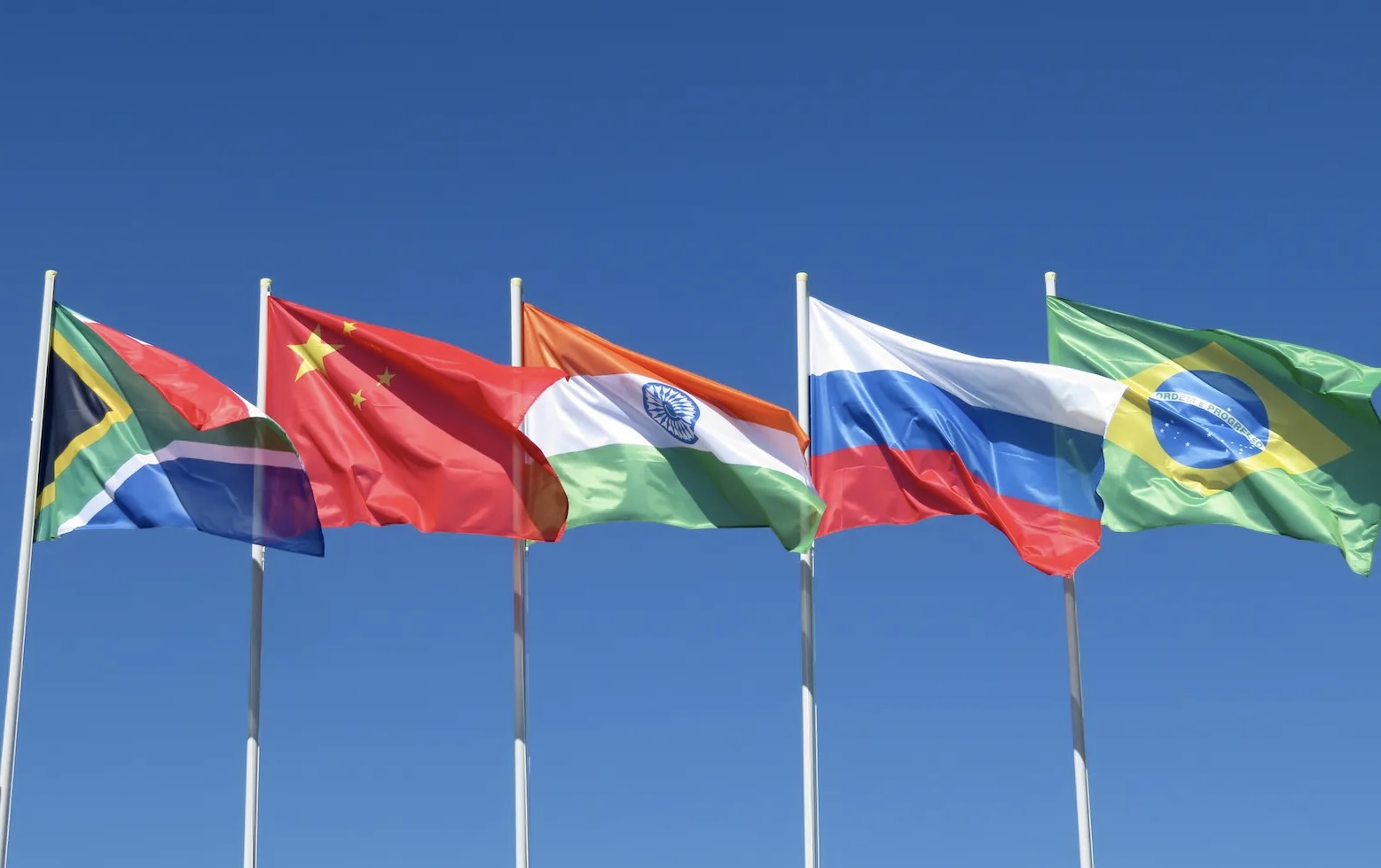
After many early achievements, BRICS is now in gridlock, made worse by the COVID-19 pandemic, India-China border tensions, and the Ukraine conflict. Despite its apparent diplomatic bankruptcy, 19 countries across Africa, Asia, and Latin America are eagerly waiting in line to join the grouping.