Enticing post-COVID Japan to India
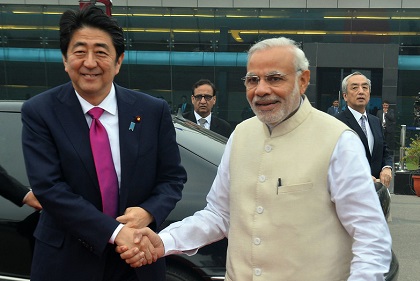
Japan has determined $ 2.2 billion for rehabilitation of industries exiting China. Prime Minister Modi’s new stimulus package, close to 10% of GDP, could be the impetus Japan needs to refocus FDI to India

 Courtesy: MEA/Flickr
Japan has determined $ 2.2 billion for rehabilitation of industries exiting China. Prime Minister Modi’s new stimulus package, close to 10% of GDP, could be the impetus Japan needs to refocus FDI to India
 Courtesy: Gateway House
In this webcast, we discuss India's Diplomacy during the COVID-19 pandemic with David Rasquinha, Managing Director, Exim Bank, Amb. Rajiv Bhatia, Distinguished Fellow, Foreign Policy Studies Programme, Gateway House and Nayanima Basu, ThePrint.
 Courtesy: Shutterstock
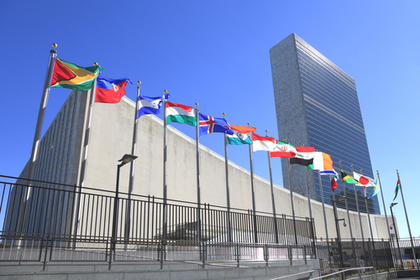
The COVID19 crisis has thrown into stark relief the strategic influence China wields across various agencies of the United Nations, especially the WHO. This raises the question - will the UN, as an important supra-governmental body, be able retain impartiality in the post-covid world order?
 Courtesy: Gateway House
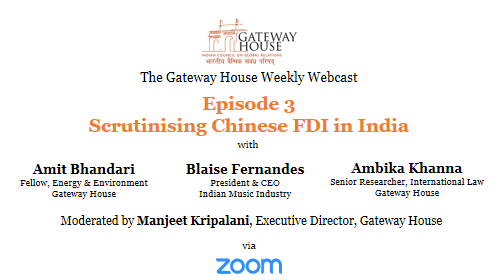
Amit Bhandari, Energy & Environment Fellow, Gateway House; Blaise Fernandes, President, Indian Music Industry Association; Ambika Khanna, Senior Researcher, International Law Programme, Gateway House discuss the reaction to China’s increased investment in HDFC, the depth and motive for China's investments in India, and the new FDI rules put in place by the government to protect strategic investments in the country.
 Courtesy: Gateway House
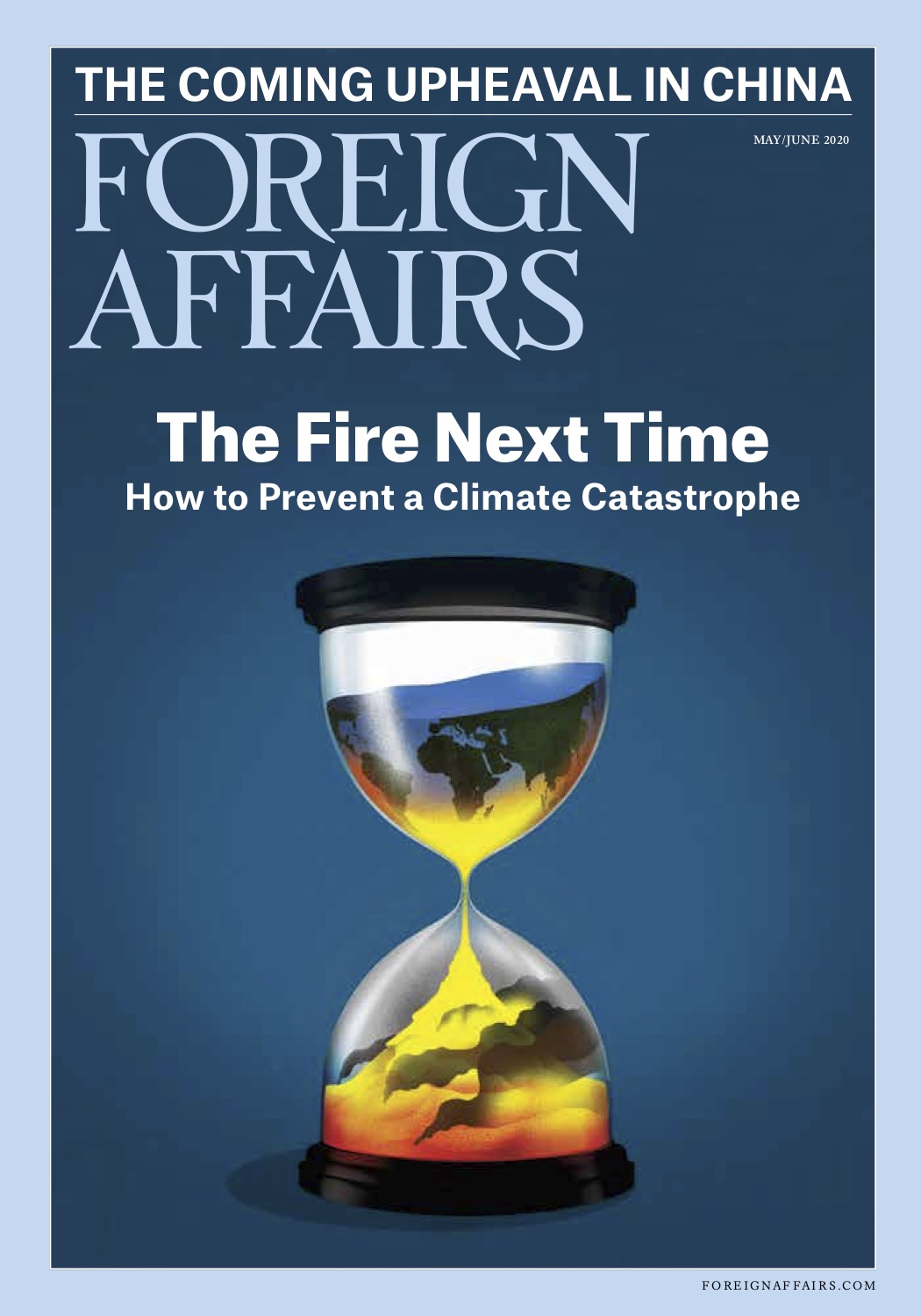
In this webcast, we discuss the transport energy options for India. The government of India intends to pursue Electric Vehicles with aggression, both to help India meet its Climate Change commitments, as also to reduce its dependence on fossil fuels in the post corona era. But is it what India needs? Are the necessary raw materials for batteries accessible in both the near and short term? Can India readily abandon oil, now cheap and from a region which gives jobs to our expatriate population?
 Courtesy: Foreign Affairs
The U.S.-China relationship, which has wavered between cooperation and competition, has, over the past few years, veered more sharply towards confrontation – possibly because of China’s own more assertive stance. Now, Beijing’s confidence is under test, not only by these fractious relations, but also COVID-19 and an economic slowdown. Will these factors reveal its weaknesses?
 Courtesy: Shutterstock
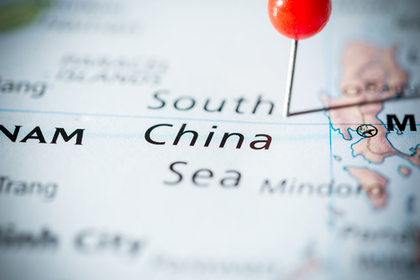
Under the cover of the COVID19 crisis, China has silently, once again, upped aggression in the disputed South China Sea, in March 2020. These incremental actions by China are part of its ongoing attempt to dictate the Code of Conduct in the region.
 Courtesy: Shutterstock
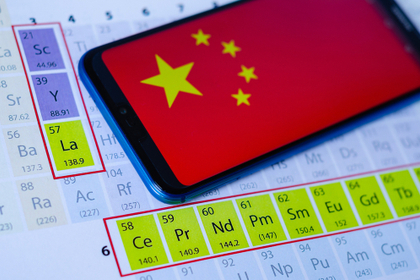
The second-most important issue on everyone's mind after the Coronavirus, is Rare Earths - those metallic elements like scandium and cerium, used in every aspect of modern electronics like our cell phones, rechargeable batteries, florescent lighting. The reason is: China. China has the world's largest deposits and production of rare earths, and has not hesitated to withhold its export to countries that disagree with it in the past.
 Courtesy: Ministry of External Affairs
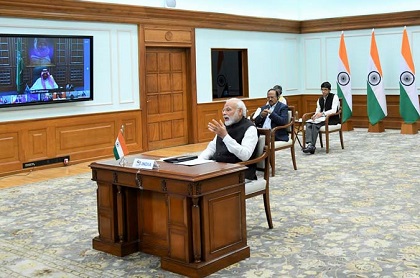
COVID-19 unified G20 leaders at an extraordinary summit last week. An idea given a nudge by Prime Minister Narendra Modi, here was an opportunity for all participants to put together a plan and make a pledge for international cooperation, focusing on four main themes. Next, will they be able to turn words into action?
 Courtesy: Shutterstock
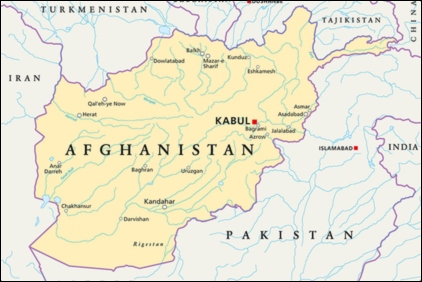
The U.S.-Taliban deal of 29 Feb favours some and disadvantages others in the region. This infographic shows how regional geopolitics will change