Expensive shortcuts: mining
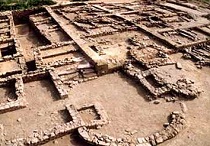
Investors have welcomed the dilution in government regulations that currently require companies to seek the consent of local communities for industrial projects in tribal areas. We analyse the outcome of this development.


Investors have welcomed the dilution in government regulations that currently require companies to seek the consent of local communities for industrial projects in tribal areas. We analyse the outcome of this development.
 Courtesy: wikimediacommons
After a brief a spell of bonhomie marked by Pakistani Prime Minister Nawaz Sharif attending Narendra Modi’s swearing-in ceremony, the hostilities between the two countries have resumed. Amidst the backdrop of increased tensions on the LoC, Gateway House recommends some small, realistic steps forward through state-to-state diplomacy, to mend the bilateral
 Courtesy: wikimediacommons
India faces heightened geoeconomic risks as the U.S. exits its unconventional monetary policy and the value of the dollar appreciates against major currencies. We can mitigate the risks with a multilateral safety net to provide liquidity, and by attracting FDI through the ‘Make in India’ programme
 Courtesy: wikimediacommons
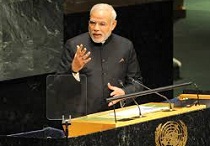
Despite staking a claim to permanent UN Security Council membership 60 years ago, India is no closer to that goal. While conflict zones remain in Africa and Asia, economic might has shifted eastwards. The West-dominated UNSC is becoming irrelevant. If India becomes a permanent member, can it influence the council’s ethos?
 Courtesy: RajniBakshi
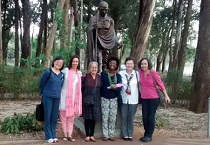
Rajni Bakshi, Senior Gandhi Peace Fellow at Gateway House, was recently invited to Brazil and Colombia to speak about Gandhi, her book ‘Bazaars, Conversations and Freedom’ and her forthcoming paper on Trusteeship. She reports on the longing for non-violence in these societies and the groups working to make it real
 Courtesy: flickr.com/presidentrajapaksa
India has tried to address the concerns of Sri Lankan Tamils through projects such as the recently-inaugurated railway between Jaffna and Colombo. But their aspirations for autonomy in the North and East remain unfulfilled, and New Delhi faces a dilemma—pushing Colombo on political issues can drive it closer to Beijing
 Courtesy: wikimedia
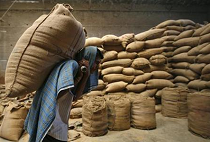
India’s decision to block the Trade Facilitation Agreement at the World Trade Organisation in July was perplexing; the confusion was compounded because India was almost alone in its position. This policy perspective explains the reasons for India’s curious stand
 Courtesy: Spenta Multimedia
This report examines the current state of Doordarshan and formulates an agenda for transforming the channel into an effective foreign policy tool for India
 Courtesy: Spenta Multimedia
News channels like China’s CCTV, Russia Today and Al-Jazeera have become definitive voices for their nations and for international views. Now, with the Modi government on a public messaging and public realations spree, it is the right time to re-configure our public broadcaster, Doordarshan, to showcase India’s growing global ties and the success of its democracy to the world.
 Courtesy: wikimedia
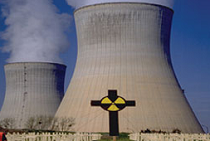
India’s power sector is currently facing a coal shortage with Coal India unable to keep pace with demand. Nuclear power is a cheaper and more reliable alternative for generating electricity as compared to coal