Screenshot 2023-10-11 at 2.20.44 PM Courtesy: Voice of America
12 October 2023

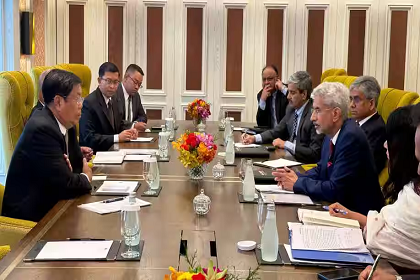
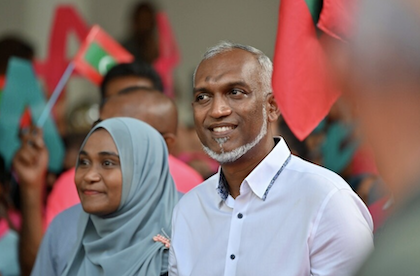
Maldives: a democracy evolves

The recent presidential election outcome in the Maldives reflected a thriving democracy driven by voters' concerns for key domestic issues like employment, housing, education and healthcare. To portray the election as a football match between China and India resulting in the latter’s defeat is to ignore how South Asia's smallest state functions.
the-globalist_tile-6426f7bc0b4d0 Courtesy: Monocle
5 October 2023

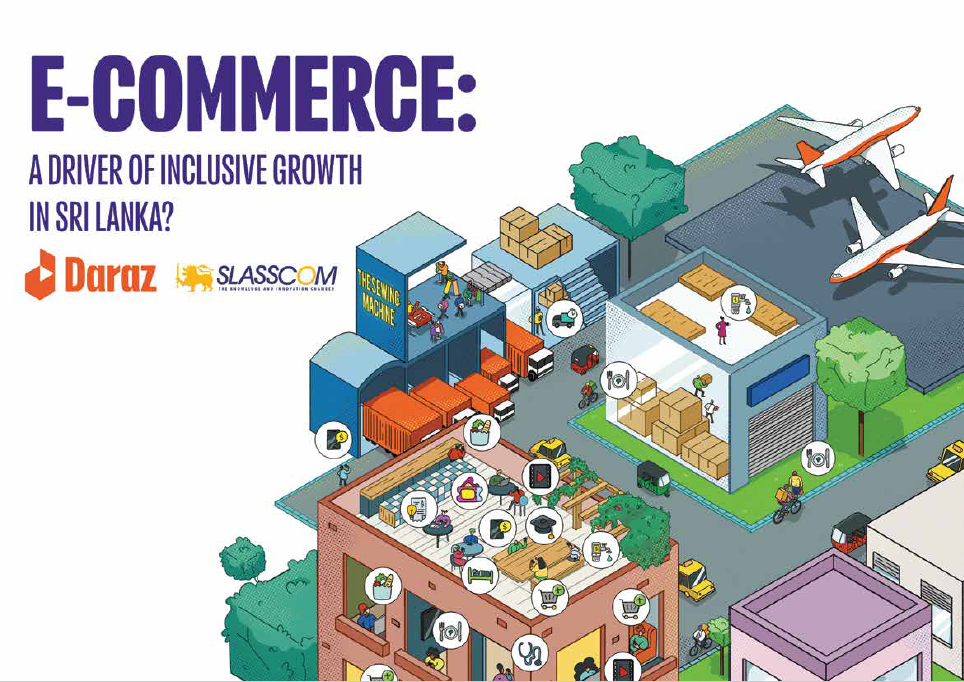
South Asia’s shifting supply chains

China's economic slowdown and pandemic-related and post-pandemic disruptions to supply chains have dampened China’s attractiveness as a global supply chains hub. Ganeshan Wignaraja, Professorial Fellow in Economics and Trade at Gateway House speaks with Georgina Godwin on The Globalist by Monocle, about the prospects for India to emerge as an alternative manufacturing hub in Asia, and takeaways for the broader South Asian region.

img_115755_marutisuzukiplant_03_av Courtesy: Forbes India
15 September 2023

India gets its supply chain groove

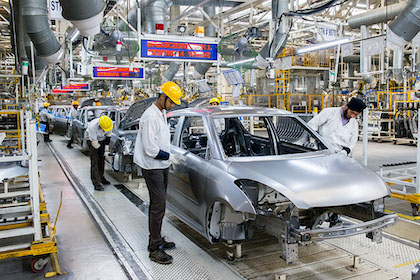
The announcement of the India-Middle East-Europe Economic Corridor (IMEC) has the potential to make India an Asian hub in global supply chains. India’s renewed emphasis on trade agreements and export-oriented foreign direct investment presents a significant opportunity for the country to promote industrialisation across South Asia and make the region less vulnerable to Chinese enticements.

Myanmar website Courtesy: WION
24 July 2023

Myanmar: An empty seat, ASEAN schism and India’s choices

ASEAN's efforts to restore democratic transition and political normalcy in Myanmar have come up against a wall of non-cooperation from the state's current military regime. The grouping's internal unity and credibility has also been challenged by two parallelly unfolding policy lines - one favoured by the grouping and the other pursued by Thailand and its supporters. India, which has vital national interests at stake in Myanmar, has supported ASEAN centrality and the 5PC on Myanmar, while also simultaneously demonstrating an understanding of the Thai unilateral policy.

Modi Hasina Image Courtesy: PTI
15 September 2022

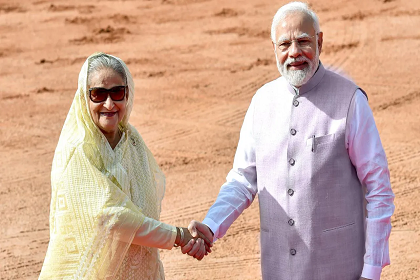
India-Bangladesh is a model bilateral

Delhi and Dhaka are fully conscious that they must get this vital equation right, constantly strengthening and deepening their cooperation and countering the challenges they face. In this, the contributions of the Sheikh Hasina government in nurturing the special ‘bonding’ is enormous and widely appreciated.

china pakistan flags Courtesy: Shutterstock
22 June 2022

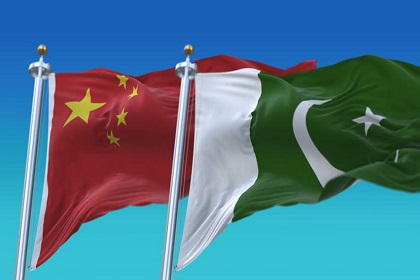
Understanding Pakistan’s China Debt Problem

Pakistan’s latest economic survey reveals the extent of the country’s indebtedness to China. High-interest Chinese loans, reckless multilateral borrowing, and ever-increasing defence budgets have deleteriously impacted Pakistan’s finances. Any lasting solution to these problems will have to involve China.

IMG-1700 Courtesy: @BIMSTECInDhaka
8 June 2022

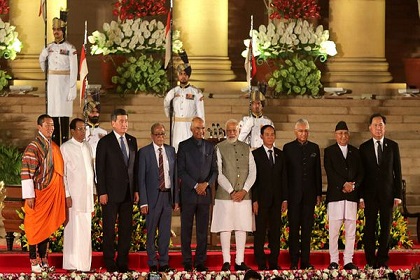
BIMSTEC@25

June 6, 2022, marks 25 years since India, Bangladesh, Sri Lanka, Bhutan, Nepal, Myanmar and Thailand joined hands to create BIMSTEC and infuse South Asia with economic and institutional cooperation. The strategic geography of this grouping has the potential to bring new synergy between South Asia and the recently-instituted Indo Pacific Economic Framework, ASEAN and the Quad, for a prosperous, secure Bay of Bengal Community.

bimstec 2 Courtesy: Twitter- BIMSTEC
19 May 2022

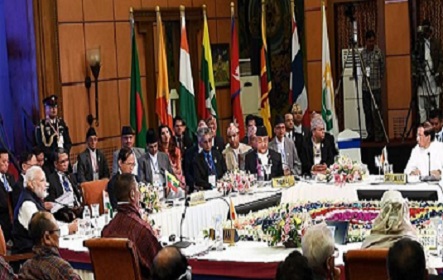
Incorporating the Blue Economy into BIMSTEC

The BIMSTEC charter has laid the foundations for a prosperous, peaceful, and sustainable Bay of Bengal region, a goal that can be achieved by greater integration and deeper collaboration. While ensuring continuity with past efforts and strengthening economic cooperation is necessary, it must also realise its potential in newer areas such as the blue economy, which has three interlinked pillars— connectivity, prosperity, and regional stability.