xi putin bbc Courtesy: BBC
17 February 2022

Signalling at the Beijing Olympics

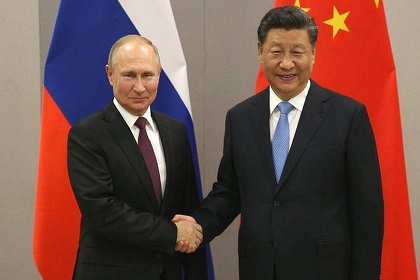
The 2022 Beijing Winter Olympics came to a close on 20 February. It was marked by Covid restrictions, athlete dramas, and a united diplomatic boycott by Western democracies citing human rights concerns in Xinjiang, a boycott India later joined for Galwan-related issues. In contrast with the unity presented by China and Russia with summit meetings in the lead up to the Olympics, shifting alliances are now the norm.
Afghanistan Aid Courtesy: AFP
10 February 2022

Failing Afghanistan politically and humanely

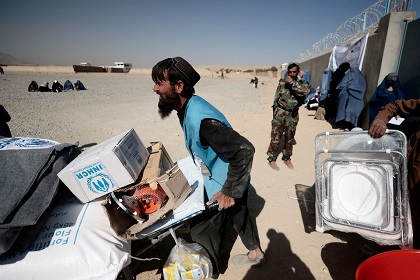
While international organisations in Afghanistan have made a noticeable impact in the humanitarian field, they have been less successful in the political field, putting into question their overall effectiveness.

saad h rizvi Courtesy: iChowk.in
10 February 2022

Pakistan Army’s proxies get a boost

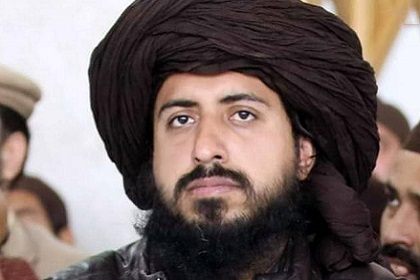
Islamabad recently lifted a ban on the Tehreek-e-Labbaik Pakistan, a violent Islamist group in Pakistan, and released its leader from jail. This is worrisome, with serious implications for India and counterterrorism efforts as a whole, for the Taliban's takeover of Afghanistan has emboldened the Pakistani Army to activate its proxies like the Tehreek-e-Labbaik, to advance its domestic political ambitions and openly support extremist organisations.

india central asia Courtesy: ANI
25 January 2022

Quantum leap forward with Central Asia

India hosted a summit with five Central Asian states on January 27, marking 30 years of diplomatic relations with the region, and an important step forward to pursue greater connectivity between India and Central Asia. New Delhi's engagement holds promise for ambitious bilateral agendas including security in Afghanistan, the revival of dormant projects, and potential collaboration in renewable energy, space and information technology.

Afg_Province_Poppy_cultivation hp Courtesy: UNODC
19 January 2022

Funding the insurgency: The Taliban in Afghanistan

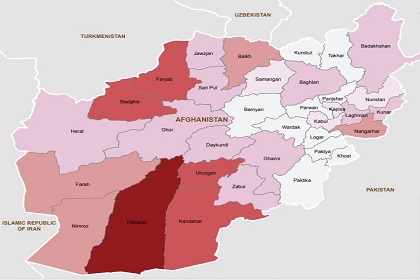
The Taliban's resurgence since 2001 has been largely funded by the creation of an opium economy and extortion. Now, with the withdrawal of U.S. troops, legitimate aid from Afghanistan and the freezing of Afghan funds abroad, the Taliban will revive its informal sources of finance to stay afloat. A look at the financing that brought the Taliban back to Kabul.

Pakistan is India's new cybersecurity headache Courtesy: Technology Times
11 November 2021

Pakistan is India’s new cybersecurity headache

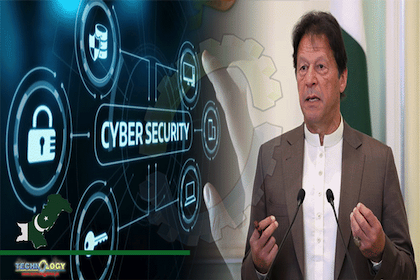
Cyberattacks from Pakistan-based hacker groups targeting India have increased. The stepped-up cyber activity comes in the backdrop of Islamabad's new cyber security policy and expanded digital cooperation with China. India must bolster its existing abilities in cyber forensics and regulations to counter the enhanced Pakistani threat.

The China-Pakistan-Taliban-Iran nexus Courtesy: Xinhua
11 November 2021

The China-Pakistan-Taliban-Iran nexus

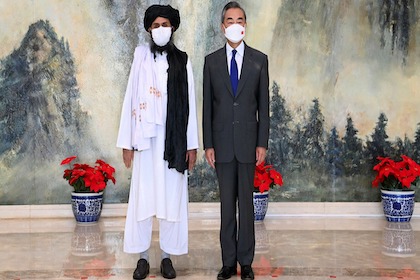
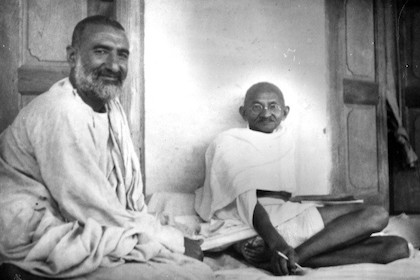
China has followed Sun Tzu’s strategy of focussing on alliances - building its own and weakening those of its adversaries. Beijing’s carefully nurtured formations in West and Central Asia are part of this global power projection, especially with Pakistan, Iran and now, the Taliban, through projects like the Belt and Road Initiative. India must recalibrate its China policy and push for concerted regional responses to emerge as a balancing force against it.

The Bay of Bengal: The next battle Courtesy: Shutterstock
28 October 2021

Bay of Bengal: Building tech connectivity

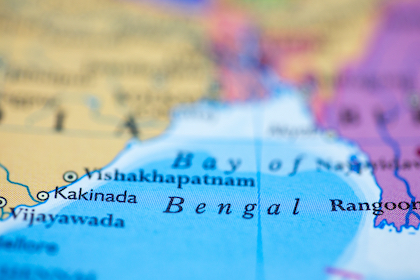
The Bay of Bengal is a natural bridge between South and South-East Asia, which New Delhi seeks to optimise. But progress on India's Act East policy has been slow, creating a space for China's Belt and Road Initiative to step into. While India cannot match China’s cheque-book diplomacy, it can use its start-up industry to pursue a combination of physical, technological and financial projects to improve regional connectivity.