Lagarde 2 Courtesy: IMF
19 March 2015

IMF, RBI and interest rates

The IMF’s 2014 review has some good GDP news but its reservations on interest rates bears closer attention. It can take 32 months for the effects of a an interest rate cut to be felt. What does this mean for the Indian economy?


mia-main Courtesy: wikimediacommons
31 October 2014

India needs an anti-tapering strategy

India faces heightened geoeconomic risks as the U.S. exits its unconventional monetary policy and the value of the dollar appreciates against major currencies. We can mitigate the risks with a multilateral safety net to provide liquidity, and by attracting FDI through the ‘Make in India’ programme

BRICS leaders at summit_210x140 Courtesy: MEA/Government of India
30 July 2014

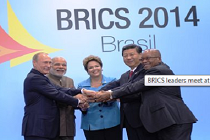
Realising the potential of the BRICS

Looking back at the 2008 financial crisis, when governments had to resort to bail-outs to keep economies afloat, the BRICS member countries have decided to set up a New Development Bank which will provide for a contingency fund. This initiative aims at building an alternate financial structure in terms of trade among the member states as well as creating a safety net

raghuram rajan_right Courtesy: Dhiraj Singh/getty
6 May 2014

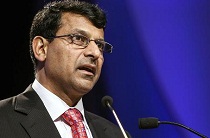
Decoding RBI’s policy on foreign debt

The RBI’s two-pronged strategy to protect the economy from tapering-led volatility discourages unproductive external borrowings and prods foreign portfolio debt investors to think long-term. There's another vexed issue: the IMF has sounded a cautionary note on the rising number of foreign currency debt laden Indian firms

rajrishieco Courtesy: Ravindraboopathi/Wikimedia Commons
10 April 2014

Inadequate economic manifestos

What do the manifestos of the three main parties say about India’s economic challenges – managing inflation, reviving investment growth, and handling the fiscal and current account deficits? To address the country’s serious economic slowdown, these must be the three priorities for the party that comes to power