OPEC’s spigot: spot on
By keeping production high and oil prices low, OPEC is taking on oil and gas companies by undercutting their ability to investments in future oil & gas production

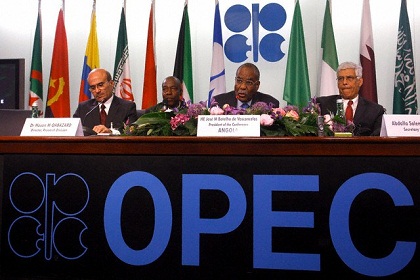 Courtesy: The Speaker-news
By keeping production high and oil prices low, OPEC is taking on oil and gas companies by undercutting their ability to investments in future oil & gas production
 Courtesy: Wikipedia
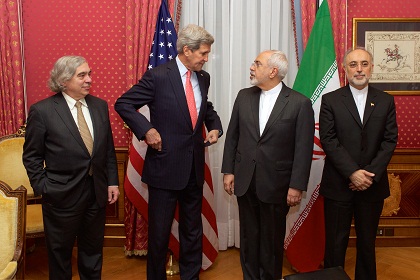
A journey which began in Istanbul in 2012 ended in triumph in Vienna in July 2014, as the P5+1 countries and Iran announced a Joint Plan of Comprehensive action that would see Iran free of all economic sanctions while upholding the right to a civil nuclear programme. While this journey, fraught with challenges, technically is over, the ratification battle in the U.S. congress commences now
 Courtesy:
Amit Bhandari, energy and environment fellow, speaks to Dev Lewis, Gateway House, on the impact of the Iran deal on global energy markets. He also outlines why this is a window of opportunity for Indian business
 Courtesy: Wikipedia
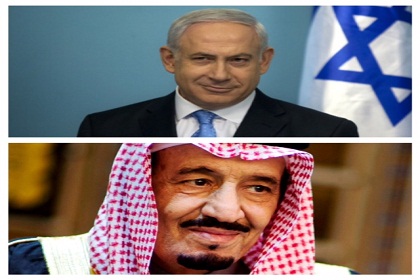
The announcement in June of a Saudi-Israeli alliance against Iran has to be seen in the context of the strategic dimensions of India’s relations with Saudi Arabia, Israel, Iran, and the U.S. And it has far-reaching implications for India’s policy towards West Asia
 Courtesy: Wikipedia
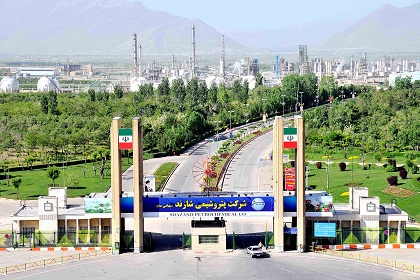
A possible Iran nuclear deal means a longer window of lower oil prices. But the glut of oil supplies is already resulting in cutbacks to oil exploration and production spending, and will eventually lead to higher energy prices. Before that happens, India must use this opportunity to lock in prices
 Courtesy: Amit Dave (Reuters)
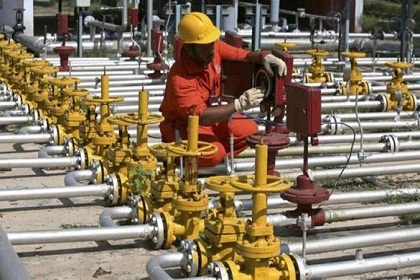
Conjecture about a Rosneft-Essar deal shows how the oil market dynamics have shifted in the past few years. Just as supply security is important to oil buyers, demand security is crucial for oil suppliers. Buying refining and marketing assets in big markets like India is the route to demand security for Russia, whose economy depends on petroleum exports.
 Courtesy: Wikimedia Commons
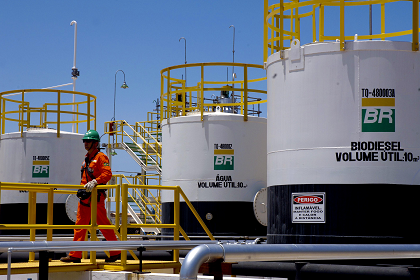
Petrobras, which rose to become the fourth largest company in the world, is now battling a serious corruption scandal that has left its reputation in tatters. How did this global oil major scale such heights spectacularly and and then fall so low? There are lessons in this for India’s public sector oil companies.
 Courtesy: Wikipedia
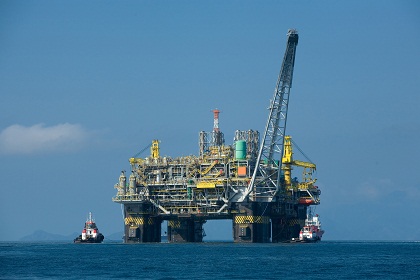
The price of petroleum has risen by almost 40% since February 2015 because of geopolitical tensions. This spike underlines the need for India to hedge its energy imports using a mix of financial markets and asset purchases
 Courtesy: MEA Flickr
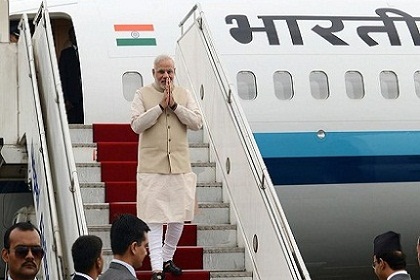
A common thread during Modi’s recent visits to China, Mongolia, and South Korea—as well as on his visits to other countries over the last year—is an attempt to move India away from coal and towards cleaner forms of energy such as solar power, natural gas, and nuclear energy. This signals a more responsible approach to development
 Courtesy: Columbia Business School
In this book Clifford provides a behind-the-scenes look at what companies in nine Asian countries are doing to build businesses that will lessen the environmental impact of Asia's extraordinary economic growth.