Dynastic democracies
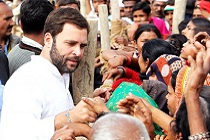
Dynastic politics is as diverse as politics itself in South Asia. There may be some benefits to dynastic rule, but a political system founded on democratic principles rejects the very idea of dynasty.

 Courtesy: Ank843/Flickr
Dynastic politics is as diverse as politics itself in South Asia. There may be some benefits to dynastic rule, but a political system founded on democratic principles rejects the very idea of dynasty.
 Courtesy: naxaliterage
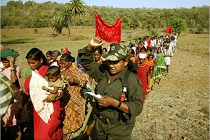
India's foreign policy prowess may be growing, but it is governed by the nation's internal health - which is riddled with poverty, corruption and displacement. Such vulnerabilities can threaten the smooth functioning of our democracy, and need to be addressed promptly.
 Courtesy: gr33ndata/Flickr
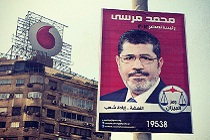
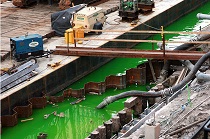
The involvement of Islamists in democratic movements is usually dismissed as a mere ruse to attain political power. However, evidence suggests that people in Muslim-majority democracies support Islamist groups which challenge a dishonest government, rather than those who seek to establish Islamic autocracy.
 Courtesy: quinn.anya/Flickr
The ongoing environmental movement in China - like many of the country’s burgeoning social movements - and those involved in it, are using various strategies to demand one of democracy’s preconditions—the rule of law.
 Courtesy: PMO
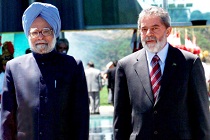
India seems to be treading down the path of fruitless populism that crippled many countries in the past, most notably in Latin America. But like Latin America, India too can embark on a course-correction by implementing pragmatic economic policies alongside progressive but results-driven social spending.
 Courtesy: JyotiParekh/Wikimedia Commons
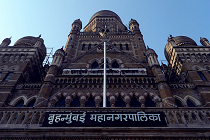
Participatory governance, especially at the local level, can transform a locality into an ideal community. The experience of officials working with the municipal corporation for bringing about changes in Colaba, South Mumbai, demonstrates the potential of people’s involvement in democracy on the ground.
 Courtesy: Gateway House
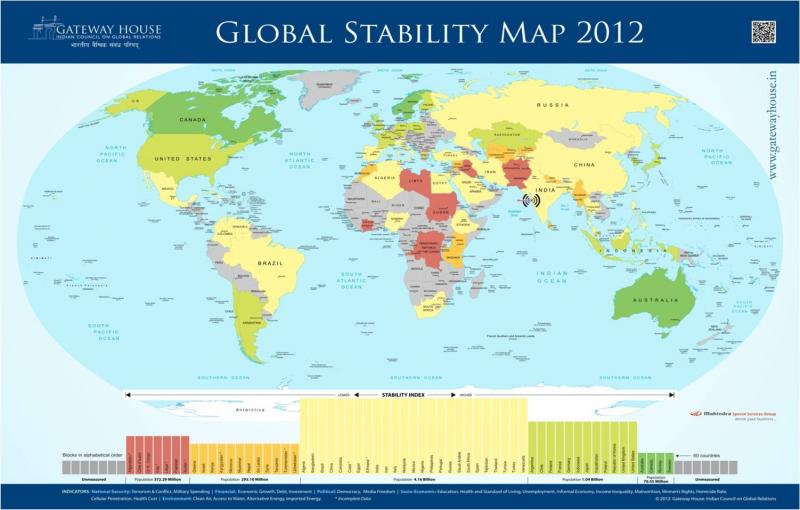
Gateway House prepared a Global Stability Map, using 20 differing indicators, to analyze the stability of 60 countries around the world. Using criteria that are important to the emerging economies of the world, the map provides an Indian perspective of the world today.
 Courtesy: United States Government Work
The Indian-American voters in the U.S. seem to be prioritising their local concerns over the larger U.S.-India bilateral relationship. The Democrats, by facilitating the group’s greater inclusion in U.S. society, politics and businesses, have thus made this huge community lean largely in their favour.
Understanding the rationale behind India’s diplomatic decisions is essential for policymakers and citizens alike, so as to take better decisions in the future. Gateway House interviews former Ambassador to Italy, K. P. Fabian, to discuss how India's assessment of policy values the spoken word over context.
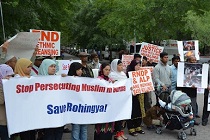 Courtesy: thankhain/Flickr
There are 2 million stateless persons scattered across Myanmar and an estimated 400,000 of them are of Indian origin. As India participates in Myanmar’s rejuvenation, can it also use effective diplomacy to advance minority rights in the country?