Beyond Odd-Even: a plan for Delhi
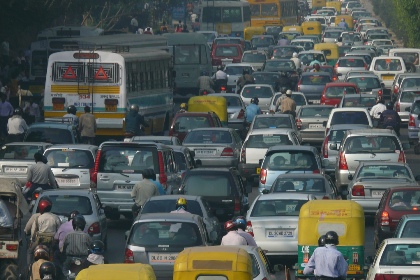
The odd-even formula has the advantage of having involved leaders as well as common citizens. The Government must now improve air quality by urgent measures across a wide front in Delhi, and then in the entire NCR.

 Courtesy: Wikipedia
The odd-even formula has the advantage of having involved leaders as well as common citizens. The Government must now improve air quality by urgent measures across a wide front in Delhi, and then in the entire NCR.
 Courtesy: Wikipedia
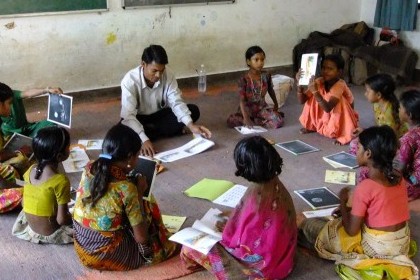
CSR in India has been detached from business practices. A more effective approach to CSR would entail efforts to integrate sustainable business with societal giving, rather than simply requiring companies to donate money and outsource all of its CSR efforts.
 Courtesy: Mehdi Hasan Khan/ Wikipedia
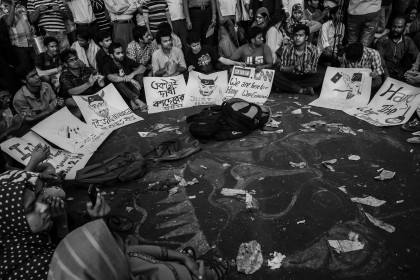
At a time when Islamic fundamentalism is threatening the world, Bangladesh as a moderate muslim democracy occupies a unique position in actively confronting this threat under Sheikh Hasina. Instead of the unjustified criticism levied against its war trials, the West must actively support its fight against terror.
 Courtesy:
December 13 will bring curtains down on climate change talks at Paris, but the sharp ideological divides between rich countries and developing nations will continue to play out at World Trade Organisation’s 10th Ministerial Conference in Nairobi, beginning on December 15

The first week of Paris climate talks came to an end on Friday 4 December, 2015. The road ahead to reach an agreement seems difficult as multinational companies have aligned themselves more with the agenda of the developed world. Is sense going to prevail in the coming week and 'differentiated nature of responsibility' find acceptance?
The 2013 Companies Act has brought a mixed bag of results: it has structured and regulated CSR in India, but also increased the hurdles businesses must clear, as well as the social and monetary costs for companies.
The Ministry of Corporate Affairs’ notice last year directing companies to partner with NGOs for their CSR efforts requires companies to choose partners carefully, while NGOs must focus on monitoring and other requirements—so both sides are trying to address gaps and work with each other’s strengths
 Courtesy:
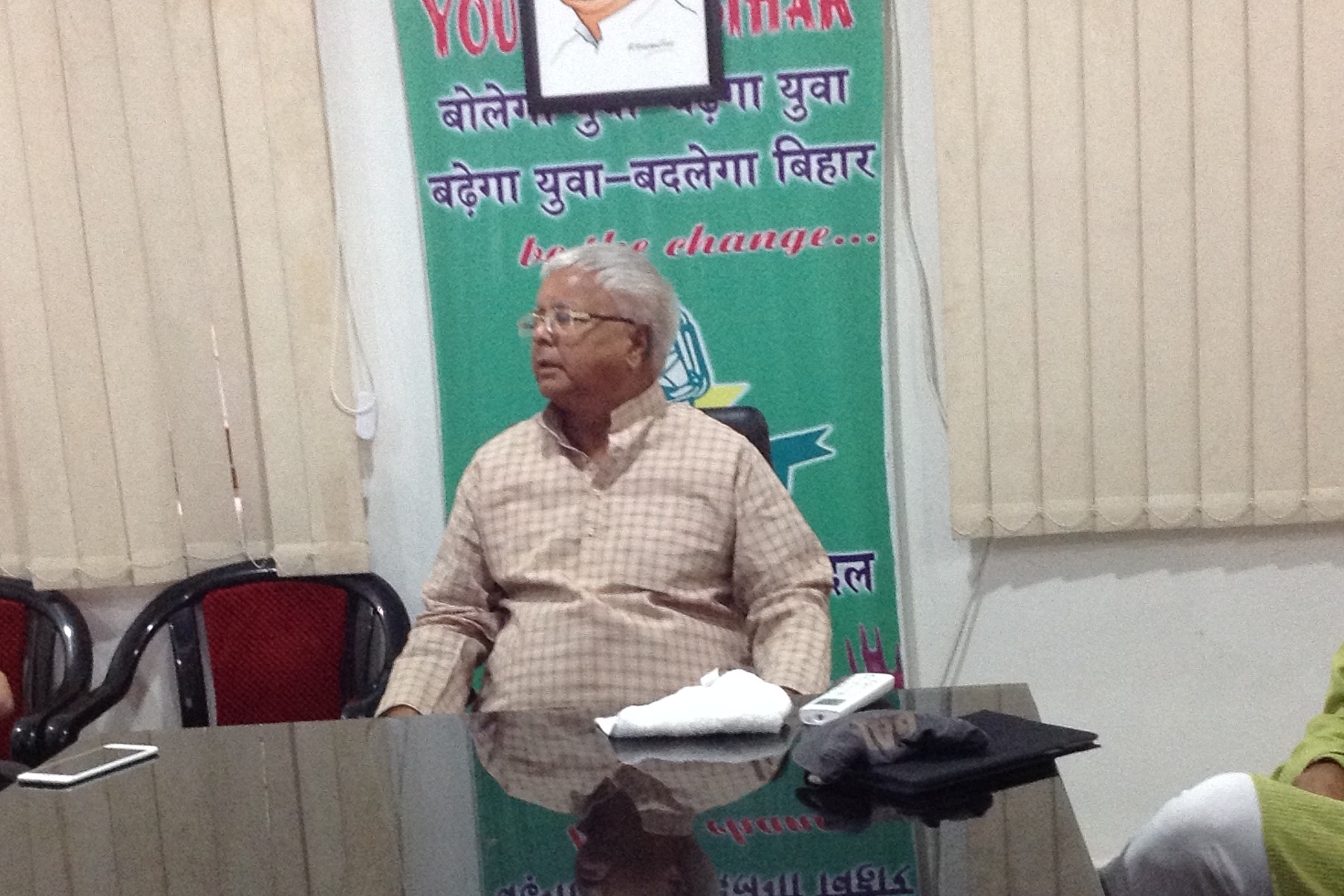
Gateway House's Manjeet Kripalani is on a five-day trip to North Bihar to observe the penultimate days of the election campaigning. She will send a daily diary, in pictures or words, while traversing Bihar; on its progress and its aspirations. And why Bihar is so important to India.
The lack of effective punishment for companies that fail to meet the 2% CSR requirement is the most notable lacuna in the Indian Companies Act of 2013. At the same time, mandatory CSR is not a replacement for state social spending, which is a key ingredient for the success of developing nations.
 Courtesy:
While the lifting of economic sanctions after Iran’s recent nuclear deal with the P5+1 countries may improve socio-economic conditions, will it also positively impact human rights in the country?