Reuters Courtesy: Reuters
27 November 2025

Japan and China row over Taiwan

China’s attempt to discipline Japan over Japanese Prime Minister Takaichi’s statement on a Chinese attack on Taiwan threatening Japan’s security, may instead strengthen the very alliances Beijing hoped to fracture. By using symbolic economic instruments, invoking the UNSC, and amplifying nationalist messaging while avoiding mass public mobilisation, China signals displeasure without risking internal instability. Yet these same measures push Japan ever deeper into U.S.-aligned networks.

Kyodo News (1) Courtesy: Kyodo News
20 November 2025

Sanae Takaichi’s strong start

The rise of Sanae Takaichi, Japan’s first female prime minister with firm conservative credentials, carries both symbolic weight and political controversy. Her early decisions suggest clarity of intention but also highlight the structural weaknesses and diplomatic sensitivities that will shape her tenure. To keep her ratings high, she has to stabilise her minority government at home, and manage the China, U.S. and ASEAN relationships with tact.

Website articles  (2) Courtesy: Atlantic Council
6 November 2025

Trump’s Asia tour redefines China approach

U.S. President Donald Trump embarked on a five-day trip to Asia, arriving in Kuala Lumpur on October 26. Covering Malaysia, Japan, and South Korea, the visit marked a shift in focus from the Ukraine and Gaza conflicts to Southeast and East Asia, as his administration is set to finalise its China policy and Indo-Pacific strategy. The trip yielded important results, though their impact will take time to assess.

Koerber Stiftung (5) Courtesy: AFP
23 October 2025

India and Indonesia guide southern consensus

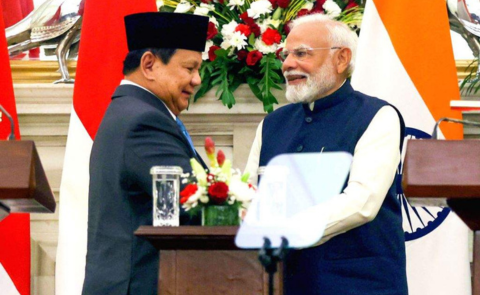
India and Indonesia sit at the heart of the Indo-Pacific, and participate  in multiple global and regional frameworks that ensure developing countries remain part of governance debates. The two countries can use these platforms to craft a southern consensus, a framework for cooperation that prioritises resilience, equality and cooperation over competition and coercion. This can reduce vulnerabilities among developing countries and strengthen them against future disruptions.

Courtesy: Hindustan Times
3 April 2025

Indian Ocean: Stakes, Challenges and the way forward

The Indo-Pacific region is vital to India’s security and economic development. With escalating threats and geopolitical competition in the region, India is seeking a favourable position through its bilateral ties with countries like Mauritius, New Zealand, Singapore, Thailand, Australia and the U.S. and special attention must be paid to the various plurilateral groupings India is a part of, to manage future issues.

IPEF Courtesy:
5 December 2024

 IPEF’s clean economy opportunities

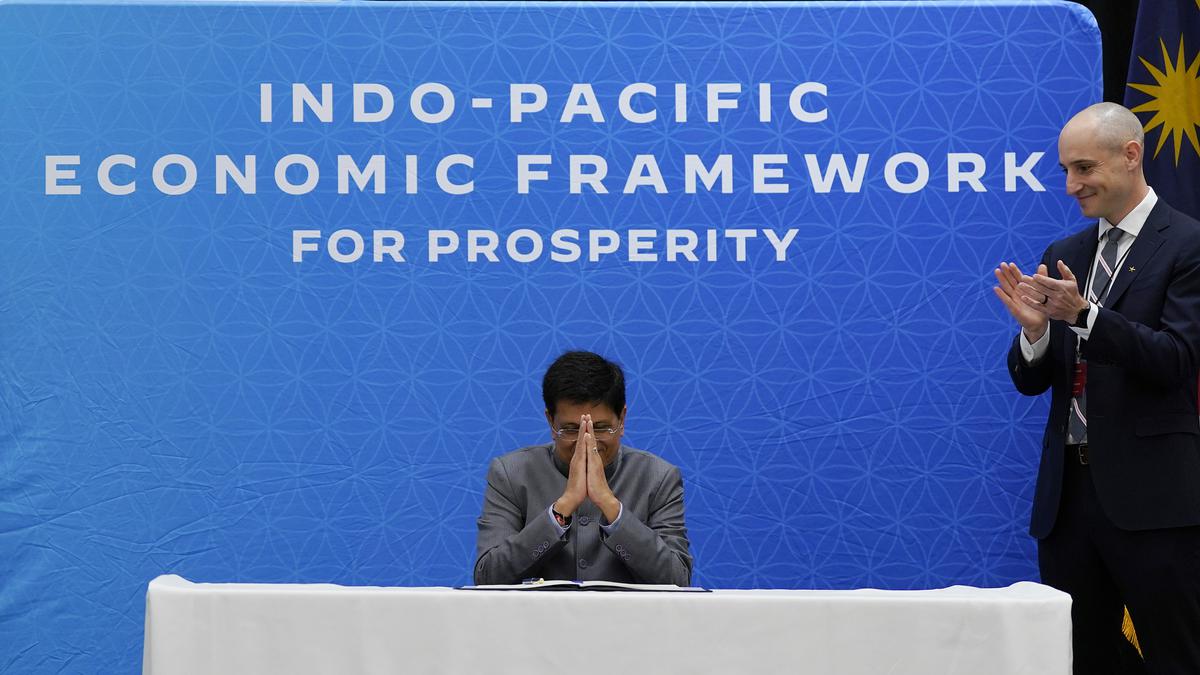
The Indo-Pacific Economic Framework for Prosperity (IPEF)’s Clean Economy Agreement is unique in that it offers multiple benefits for investment, capacity-building and standards-setting, all while pursuing a clean economy agenda, voluntarily. India has already seen success in this area and is a hopeful example for others in the Indo-Pacific.

Screenshot 2024-11-06 at 3.04.26 PM Courtesy: Gateway House
7 November 2024

India-Indonesia: Companion Souls in a New Era

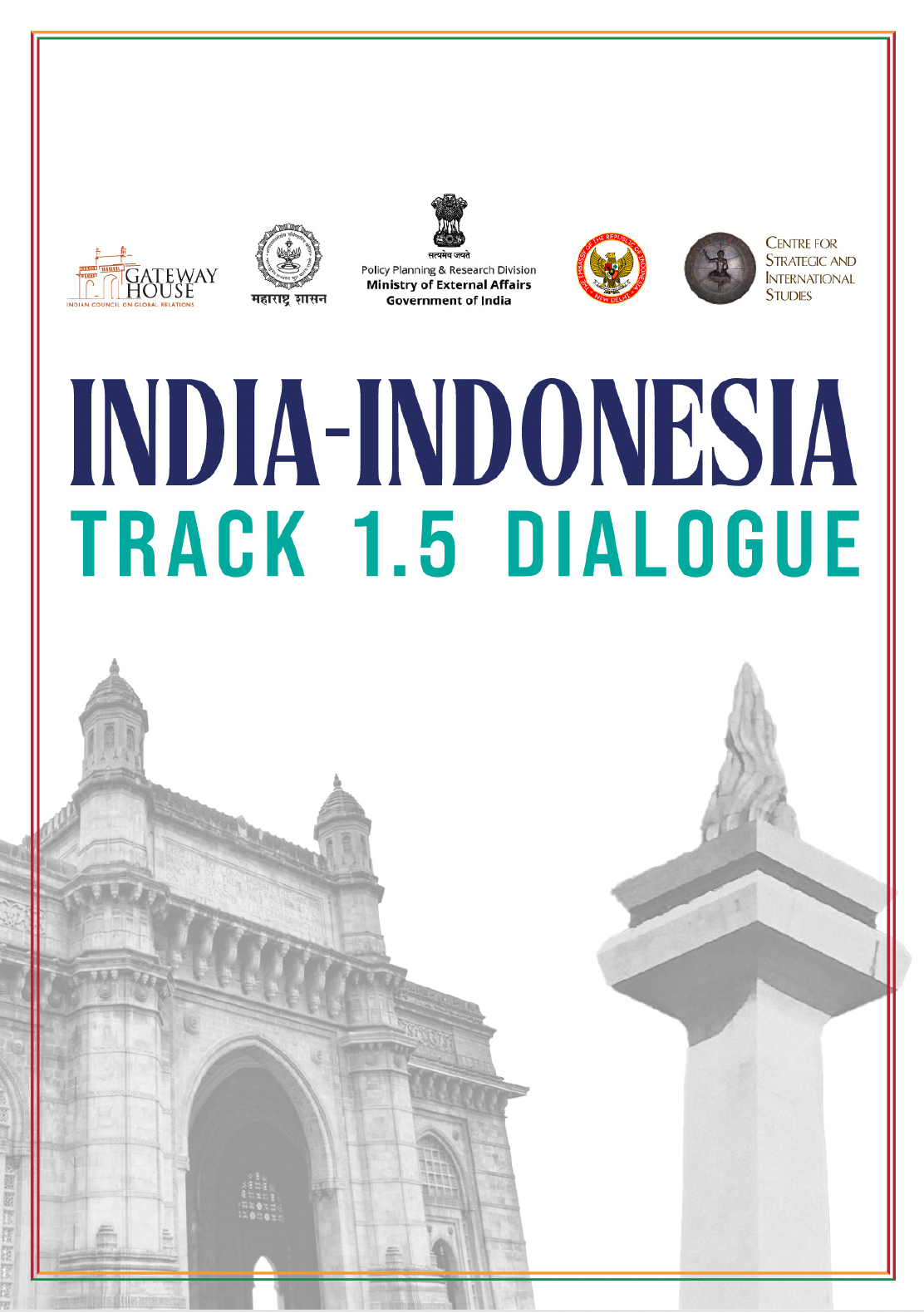
India and Indonesia have a comprehensive strategic relationship built on their ancient and modern histories, and a flourishing relationship sustained by trade, economic exchange and people-to-people contact. The India-Indonesia Track 1.5 Dialogue, hosted by Gateway House and the Centre for Strategic and International Studies, Indonesia, aims to provide policy recommendations to promote innovation and navigate evolving governance issues through bilateral and multilateral cooperation.

5f1f8019a3108348fce0b4a5 Courtesy:
22 August 2024

Russia reengages the Indo-Pacific

Russia has begun to make its presence felt in the Indo-Pacific as an independent player. A slew of high-level visits has shown Russian intention to engage, following its isolation by the West. The region is ambivalent, but open to listening to multipolar voices.

Indo-pac regaining salience Courtesy: CGTN
18 April 2024

Indo-Pacific’s shifting seas

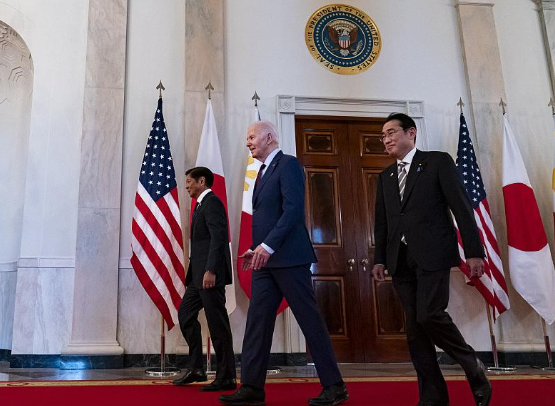
China’s hostile actions in the East and South China Seas have led to a deepening of naval partnerships within the Indo-Pacific such as the U.S., Japan, Philippines, Australia and South Korea. As crises in West Asia escalate and the strategic contest between the U.S. and China hardens in the Pacific Ocean, India – placed strategically in the Indo-Pacific – can’t neglect either the west nor east.

7167432588_1a83db7e99_o-1024x616 Courtesy: South Asian Voices
25 January 2024

France, India and the Indo-Pacific

The proximity in the Indo-French relationship is reflected in the countries' increasing cooperation in the Indo-Pacific. An ambitious joint Indo-Pacific roadmap is supported by the Indo-Pacific Oceans’ Initiative and the recently announced Indo-Pacific Triangular Development Cooperation Fund. Both partners must now devise timelines for the implementation of the proposals.