VOA Courtesy: VOA
2 October 2025

Time to re-burnish Global South credentials

The year 2025 is often compared to the Bandung moment of 1955, and for good reason. With the U.S. reordering traditional relationships, the opportunity for greater emphasis on the Global South is now. It is therefore time for India, Africa and ASEAN among others to re-burnish their Global South credentials and use that identity as a platform to engage each other more deeply.

Hindustan Times (1) Courtesy: X / PMOIndia
3 July 2025

PM Modi forges ties with G7, Cyprus, Croatia

PM Modi's multi-country visit from 15-19 June to Cyprus, Canada, and Croatia demonstrated India's expertise in nurturing ties with great powers, middle powers and state powers.  The common thread was twofold: to represent India at the still-important summit of the Group of Seven in Alberta, and to push India’s strategic partnership with the EU, by forging closer ties with the countries of eastern and central Europe.

East Asia Forum Courtesy: East Asia Forum
26 June 2025

Canada, India and the G7 Summit

Most multilateral and plurilateral institutions have lost their significance and ability to shape the trajectory of international relations today. The G7 is no exception. It is impacted by the shift of power from the Atlantic to the Pacific, and an intra-Atlantic rift. The G7 discussions reflected this. More positive were the sideline discussions on repairing the India-Canada bilateral.

Website articles  (21) Courtesy: News Arena India
12 June 2025

G7 Summit: Plethora of opportunities

Canadian Prime Minister Carney can use the upcoming G7 summit he is hosting to advance the North-South dialogue and cooperation and also to discuss the strained bilateral with India. India can articulate the viewpoint of the Global South, stressing its conviction that the G7 is better served by constructively working with developing and emerging economies.

World Leaders Courtesy: East Asia Forum
17 April 2025

Multipolarity is gaining ground

The traditional power structures of ‘unipolarity’ or ‘bipolarity’ prevalent over the past 80 years are no longer appropriate to describe the current global order, with more countries increasingly supporting the evolving multipolar world. With the old ‘rules-based’ order becoming less relevant, emerging powers like India have an opportunity to draft more equitable rules to match their multipolar intentions.

Screenshot 2024-08-27 134557 Courtesy:
29 August 2024

If you must win, you must make your partner country a winner too

Foreign policy in the 21st century is underpinned by economic issues, in contrast to the 20th century when global politics and security aspects dominated diplomacy. Dammu Ravi, Secretary (Economic Relations), Government of India, discusses Indian diplomacy and how it navigates the G7 and BRICS, the opportunities and challenges for strengthening the Neighbourhood First policy in South Asia, and the country’s evolving economic diplomacy.

BhatiaBRICSSpeech Courtesy: Indian Council of World Affairs
29 February 2024

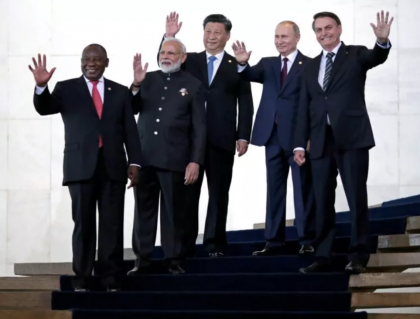
BRICS as a Global Alternative

On 22 February, Rajiv Bhatia, Distinguished Fellow, Foreign Policy Studies delivered the keynote address to participants at the national seminar on “BRICS as a Global Alternative—Prospects and Concern for India.” He argued that an examination of BRICS and the geopolitical context in which it is functioning provides an opportunity to raise awareness of the India's perspective of this important organisation.

g20 india Courtesy: NDTV
14 September 2023

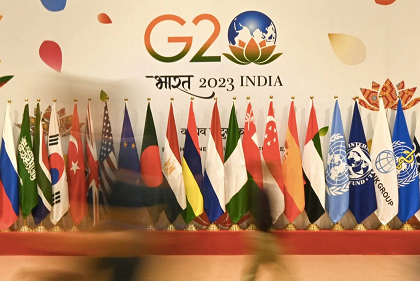
Why Delhi shows the way

India’s leadership of the G20 has managed to maintain a balanced stance on the Russia-Ukraine conflict in the grouping while also highlighting the need for greater accommodation of emerging powers within the multilateral framework. This experience positions India on the path to becoming a more equitable global rule-maker, fostering collaborations between the Global South and the G20.

Modi and Fumio Courtesy: AP Photo/Manish Swarup
19 January 2023

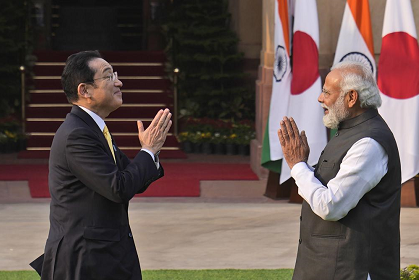
Japan and India in the multilateral hotseat

Russia has been at the center of tensions between the G7 and G20. The current G20 and G7 Presidency has put Asia at the center of global problem-solving and collaboration. India and Japan through its existing strong bilateral and converging interests like economic and financial governance, health, climate commitments and energy transition can bridge the rift between the two multilateral groupings in 2023.

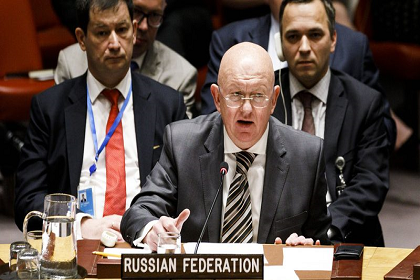
UN Russia Ambassador Courtesy: Justin Lane/European Pressphoto Agency
5 October 2022

Double standards at the UNSC

The BRICS have largely abstained from the UNSC resolution condemning Russia’s attempts to annex four Ukrainian provinces. Is it BRICS solidarity or is it because the interests of the Global North and its allies, and those of the Global South, are diverging?