The race for the undecideds
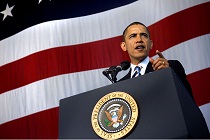
A short analysis by Gateway House on the second U.S. Presidential debate and the closing window of undecided voters in the country.
Courtesy: Pete Souza/Gage Skidmore
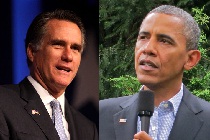
A short analysis by Gateway House on the second U.S. Presidential debate and the closing window of undecided voters in the country.
Courtesy: Guilhem Vellut/WikimediaCommons
There have been many discussions on the need to de-militarise the Siachen Glacier. Why have India and Pakistan suddenly begun to believe that they were mistaken in holding on to the region all this while? What are the possible ramifications of de-militarising this strategic location?
Ambassador Viswanathan, an expert on Latin America, blogs about the Venezuelan elections, which saw a high turnout, free and fair elections, and Hugo Chavez re-elected as President. It is evident though, that Chavez’s model has reached its peak and is steadily and irreversibly losing appeal in the region.
Courtesy: Anna Frodesiak/WikimediaCommons
China's legal system is more formalized and better functioning than many realize. Still, given the Chinese Communist Party's lock on judicial power, the country still has work to do.
Courtesy: VOA/WikimediaCommons
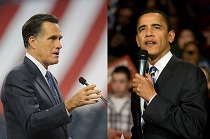
In a recent speech, U.S. Presidential candidate Mitt Romney criticised incumbent President Barack Obama's foreign policies, and called for U.S. supremacy. However, it seems apparent that Romney wouldn’t usher in a foreign policy revolution if elected.
Courtesy: Foreign Affairs
Jeffrey D. Sachs argues that the mono-causal analysis of the book, 'Why Nations Fail,’ – that economic development hinges on a country’s political institutions – ignores important factors (such as geography) that can also affect growth.
Courtesy: Patrick Gruban/WikimediaCommons
Is a focus on a nuclear Iran in international forums such as the UN General Assembly necessary and appropriate? At a time when other crises – including Syria and Palestine – require the world’s undivided attention, this inordinate focus raises major concerns.
Courtesy: Rusty Darbonne/Austen Hufford
The biggest change in the first U.S. presidential debate for 2012 was the way both Barack Obama and Mitt Romney moderated differences about government and the private sector. Foreign policy came up only briefly, but it will be a theme during the next round of debates later this month.
Courtesy: trendscout::/Flickr
All the major economic forces in the world have come together in Africa in a new version of the Great Game. The competition for the continent’s resources will ultimately harm Africa unless Africa uses this opportunity to its advantage and to address its own serious problems.
Courtesy: Gateway House
Gateway House's Rajni Bakshi analyses the Mahatma's civilizational vision and explains how it can guide us through contemporary economic and identity-related conflicts.