corridorsmap2 Courtesy: Gateway House
11 July 2013

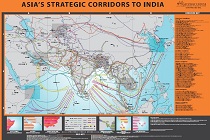
Asia’s Strategic Corridors to India

The map – Asia’s Strategic Corridors to India – has emerged from Gateway House’s study of India’s strategic links with other parts of Asia. It highlights the progress India has made in forging multiple links with six strategic regions – Central Asia, West Asia, East Africa, South-East Asia, East Asia, and our immediate neighbourhood
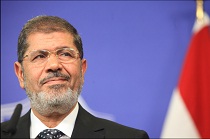
Morsi Courtesy: European External Action Service/ Flickr
3 July 2013

Why Morsi is wrong for his people

The downfall of Egyptian president Mohammad Morsi was partly contributed by those thousands of protesters who disagreed with his view of “Us” and “Them”. Leaders such as Morsi have focused on persecuting those who refuse to share their vision; continuing down this path would have had a negative impact on history

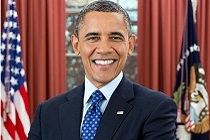
obama Courtesy: Pete Souza/The White House
22 February 2013

The pacific pivot: A decade late and five years too soon

The announcement of the Pacific pivot by the U.S. in 2001 has led to several nations making bold political moves. However, the U.S. isn’t yet ready to be a regional protector against China. What does Washington have to do to prepare itself for the Pivot?

Www.Oic-Oci.Org Courtesy:
23 January 2013

India and the OIC: To join or not to join?

India’s relations with Islamic nations, many of which are members of the Organisation of Islamic Cooperation (OIC), have become even more prolific over the last decade. While India does not visualise becoming a member of a religious international body, many reasons militate against our formally joining the OIC.

U.S. Department of Defense Courtesy: U.S. Department of Defense
11 January 2013

Chuck Hagel: Revising U.S. strategic postures?

The nomination of Chuck Hagel for the post of the U.S. Defense Secretary has garnered severe criticism from Israel and the Jewish lobby. Given the geopolitical changes unfolding in the Middle East and the rest of Asia, what will Hagel’s assumption of office mean for Israel, India and the rest of the world?

parliament Courtesy: Shwkyn231/Flickr
31 December 2012

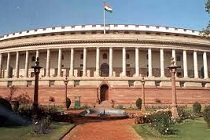
India’s foreign policy: A year in review

The year 2012 has been a busy one for foreign policy: from escalating disputes in the South China Sea to alternate financial instruments from the emerging world. India’s foreign policy too has its shown strengths and weaknesses. We present our top foreign policy Hotspots, Sweet spots and Blind spots for 2012.

khameini Courtesy: Dragonfire and Georgethewriter/WikimediaCommons
29 November 2012

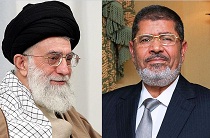
Iran-Egypt: old foes, new competitors

Rivals Iran and Egypt have become the two most important powers in today’s West Asia. Yet, Iran is looking for neither a smooth victory nor a quick failure for Egypt’s rise. Tehran will remain the key regional player, while it’s too early to tell if Cairo is capable of overcoming Iran’s influence.

Courtesy: Gigi Ibrahim/WikimediaCommons
27 November 2012

Israel-Hamas: Only an intermission

The series of Israeli offensives against Gaza, which began on November 4, ended when Egypt's new President Mohamed Morsi brokered a ceasefire between Hamas and the Israeli government on November 13. The possibility of this ceasefire holding up, however, seems remote.

chris stevens casket Courtesy: Secretary of Defense/Flickr
20 September 2012

Death of an Ambassador

Ambassador Christopher Stevens, the U.S. envoy to Libya, was killed, following protests against a controvertial movie, titled 'Innocence of Muslims.' Is an anti-U.S. sentiment to be blamed for this violence? What consequences will this incident have on the U.S. policies towards Libya and Syria?

NAM Summit: An opportunity for dialogue Courtesy: Non-Aligned Movement
24 August 2012

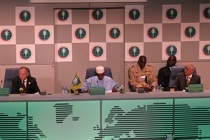
NAM Summit: An opportunity for dialogue

Originally formed to oppose polarities among nations following the Cold War, the Non-Aligned Movement is as relevant today as it was till two decades ago. How can it play a role in reducing the violence, and in tempering regional and global rivalries in West Asia and North Africa?