Going global? Study Tata Steel first
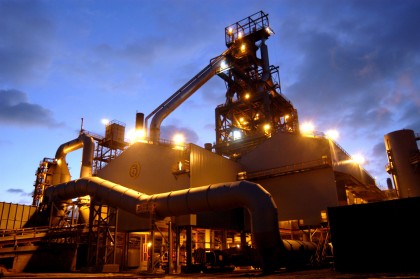
All Indian companies planning to go global should closely follow the saga of Tata Steel’s UK plants; it’s a masterclass on how intimately business is intertwined with geopolitics and geoeconomics

 Courtesy: Wikipedia
All Indian companies planning to go global should closely follow the saga of Tata Steel’s UK plants; it’s a masterclass on how intimately business is intertwined with geopolitics and geoeconomics
 Courtesy: Whitehouse.gov
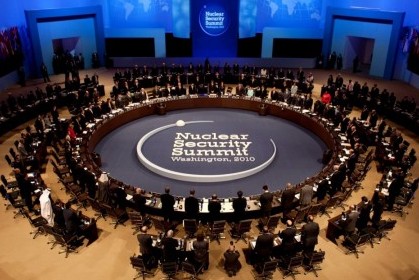
Once the fourth and final global Nuclear Security Summit is held this week in Washington, D.C., the challenge will primarily be for bureaucrats to continue working and keep leaders engaged on nuclear security. Inertia on this issue, especially when there is growing intelligence on security breaches, could be deadly.
 Courtesy: Wikipedia
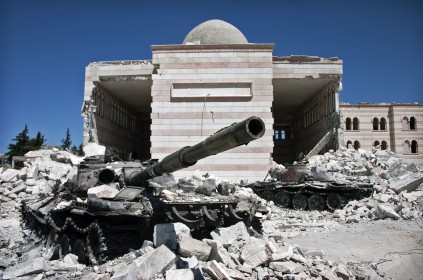
With a cessation of hostilities been brokered by Russia and the United States, the conflict in Syria has entered a tense pause. India has had a bystander attitude to the conflict in Syria. However, with the truce expected to be short, does India have the incentive or the option to depart from its current position, and deepen its engagement in Syria?
 Courtesy: Wikimedia
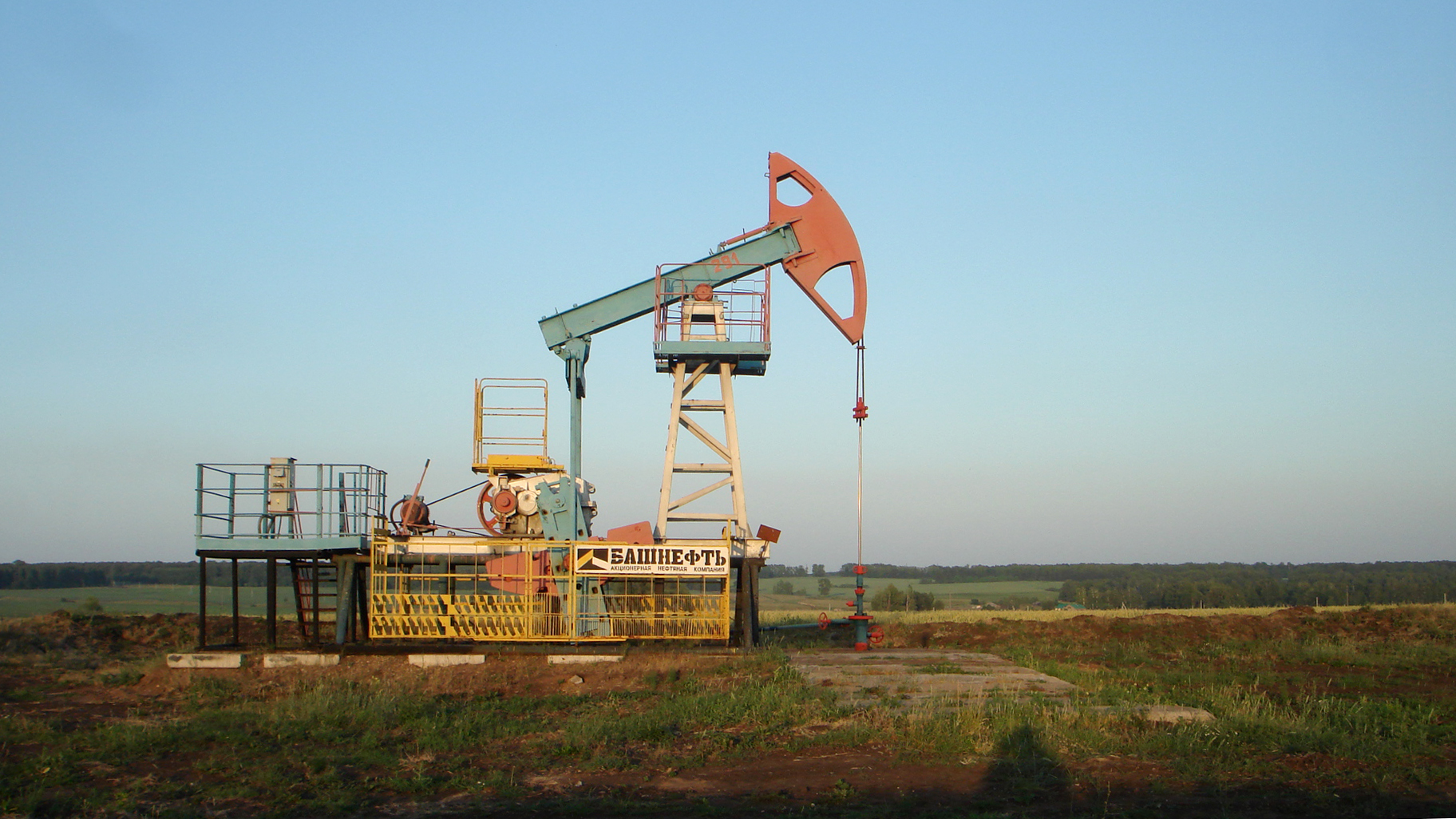
Saudi Arabia, Russia and other oil producers are trying to cap oil production to support prices. Such distortions are unlikely to work. India should be more concerned about the long term rise in oil prices due to falling investment in exploration and production – and should protect itself by acquiring oil and gas assets to cover its energy needs.
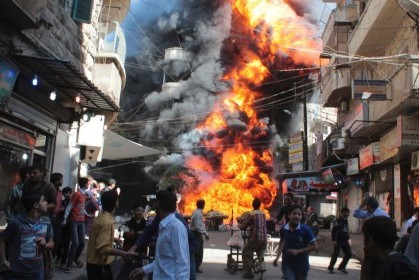 Courtesy: Youtube
The world has witnessed a number of upheavals in the past few years, precipitating widespread global political turbulence stemming from geo-economic instability. Over the next couple of months, Gateway House experts will attempt to deconstruct these events and how India and its foreign policy can work to take advantage of these trends.
 Courtesy: Wikimedia
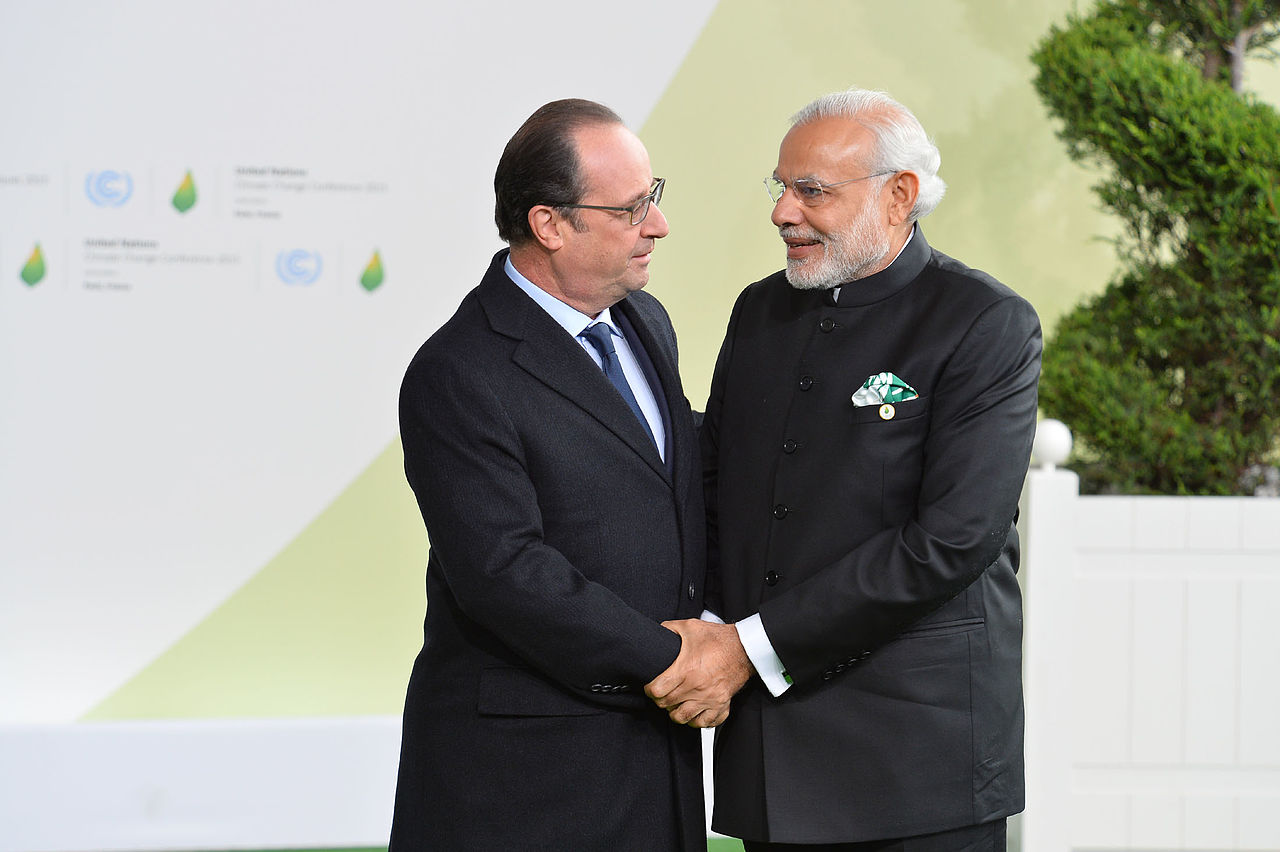
French President Hollande was the chief guest at the Republic Day parade on 26 January 2016. India-France relations, post President Hollande’s visit, are promising, and will have a positive impact on Prime Minister Modi’s scheduled visit to Brussels later this year including India's trade with the EU. Informed citizenry should appreciate the huge stakes involved.
 Courtesy: Lexington Books
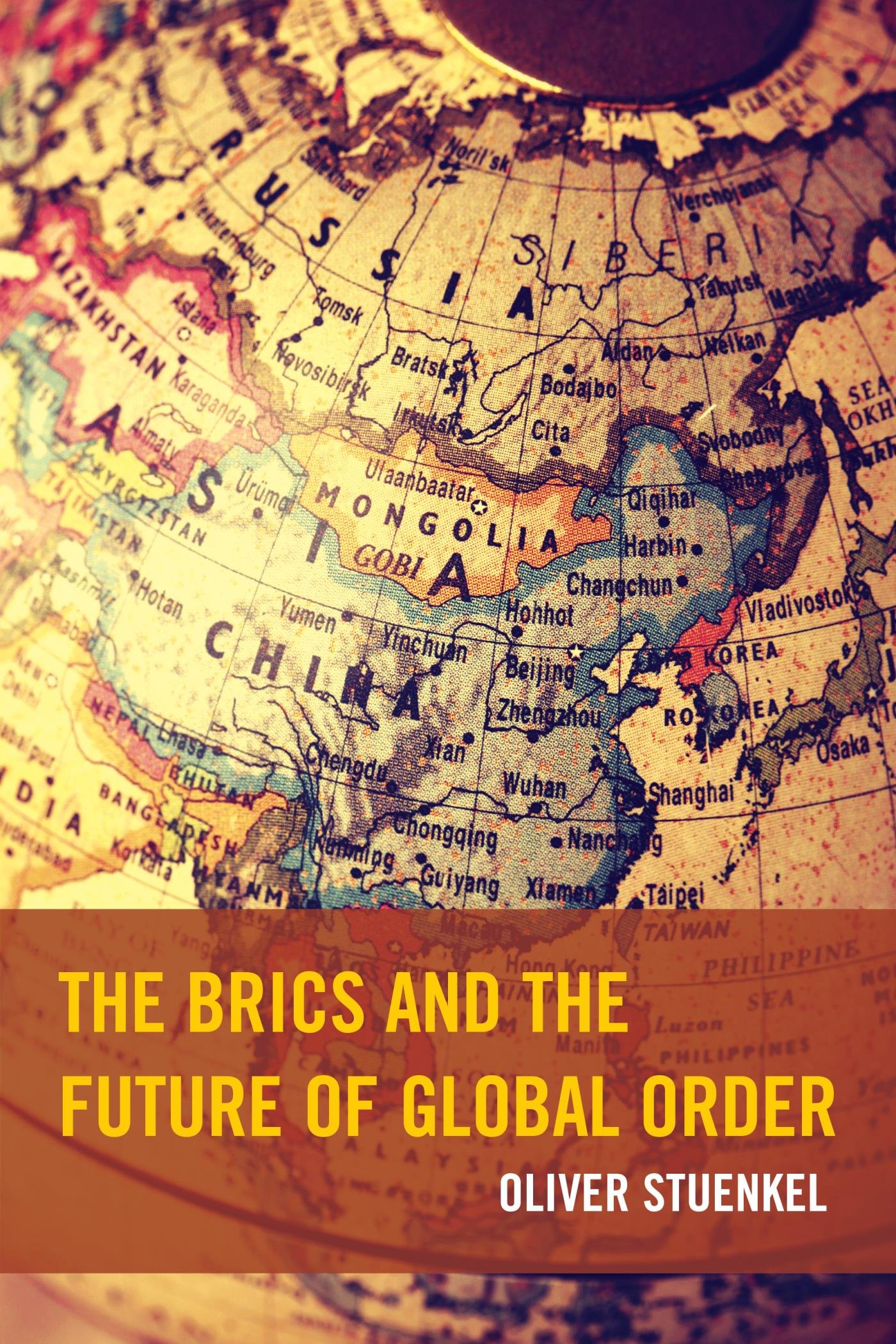
Oliver Stuenkel's book provides a well-researched account of the evolution of BRICS – starting from the forum’s inception in 2009 to the present – and the interactions between Brazil, Russia, India, China and South Africa on global issues.
 Courtesy: COP Paris / Flickr
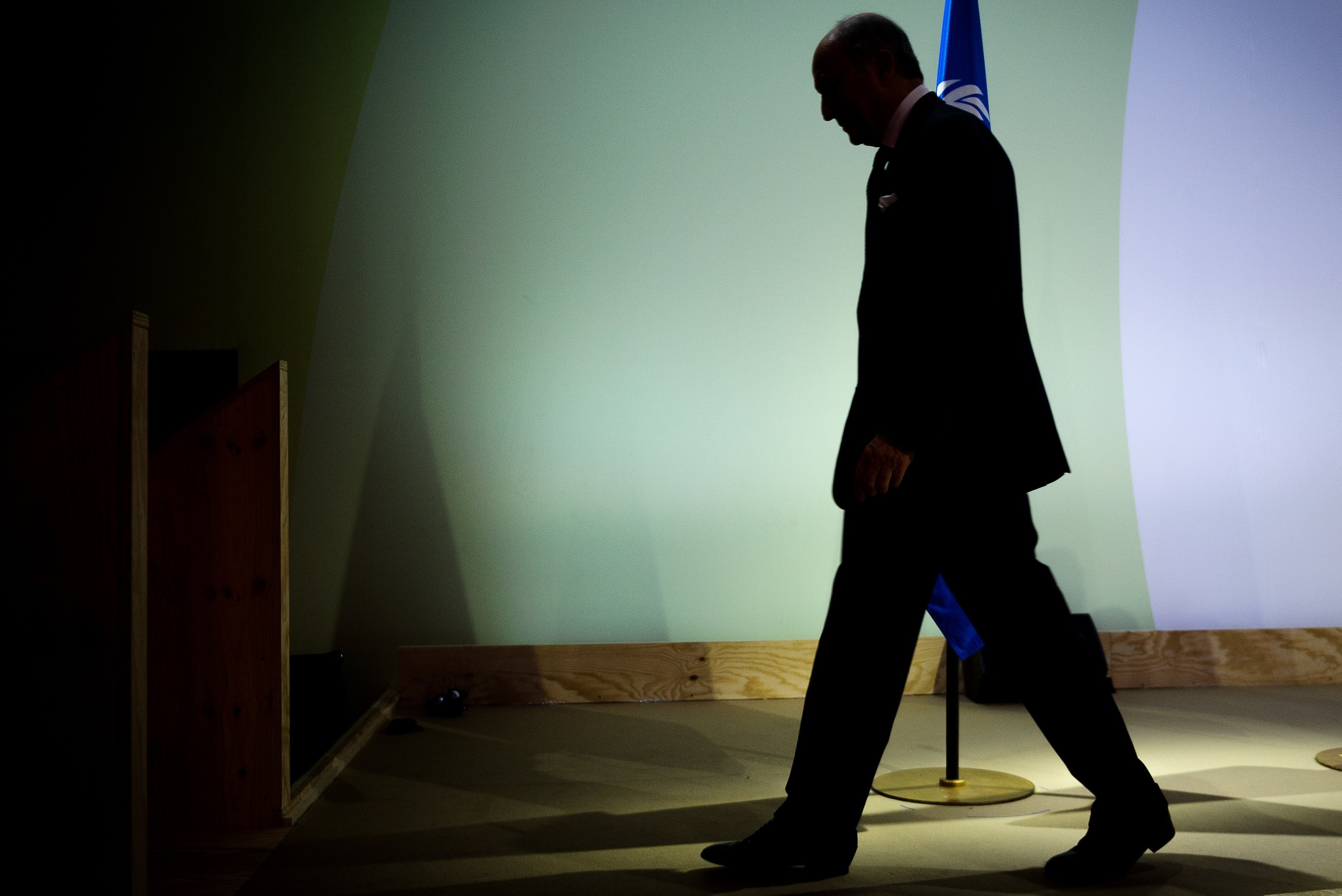
COP21 is a reality check for those who like to believe that geopolitical power is shifting from West to East. The just-concluded Paris Climate Summit was essentially about the early-to-develop Western powers continuing to exercise almost complete control over global governance structures, largely through the dominance of markets.
 Courtesy: epSos .de/Flickr
If COP 21 Summit in Paris is to play a decisive role in warding off climate havoc, it must strengthen efforts to resolve the greatest market failure in history. Efforts to reconfigure market culture are part of a larger civilizational process of treating profit as the means not the goal of business.
 Courtesy: Dawn Endico
Today ISIS is the gravest international security threat. To defeat ISIS, the world should pay heed to India’s experience of the need to isolate state sponsors of terrorism. Ultimately, only when Saudi Arabia acknowledges the danger to its own survival from past policies of alleged support to extremist groups, can it be a reliable partner in the fight against ISIS.