India’s next 100 space missions
If its space assets are used effectively, India could have a formidable fleet of five to 10 satellites dedicated for military use and dozens more for the advancement of its economy.

 Courtesy: PIB
If its space assets are used effectively, India could have a formidable fleet of five to 10 satellites dedicated for military use and dozens more for the advancement of its economy.
 Courtesy: FreedomHouse/Flickr
In war-torn Syria, the historic dream for Kurdish nationhood has arisen yet again. Although the Kurds are presented with a historic opportunity, autonomy is still a far-fetched quest for the Syrian Kurds, today. Regardless of the outcome, no government in the region can wish away the Kurdish struggle any longer.
 Courtesy: Kashiff/Flickr
The ongoing political chaos in Pakistan indicates that the Supreme Court is bent on weakening civilian authority and strengthening Army control in the country – which is unfavourable for Pakistan and its neighbours alike.
 Courtesy: Columbia/WikimediaCommons
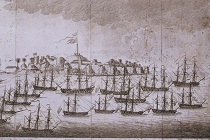
In the 1700s, one man antagonized the European powers, and insisted on the Maratha Empire’s rights to taxation and sovereignty over Maharashtra’s coast. He was Kanhoji Angre, the head of the Maratha navy. How did he, 283 years ago, set an important precedent for the Subcontinent’s local powers?
It is estimated that up to 20% of India’s power capacity lies idle due to the lack of coal available in the country. The recent $33 billion scam on the allocation of coal blocks reflects the apathy among the Indian leadership towards effective policy-making.
Over the past four years, China has switched from being an importer of high-speed trains to the world’s largest manufacturer. Much of this can be attributed to the transfer of foreign technology to Chinese state-owned enterprises. How have Chinese government policies and economic heft aided this effort?
 Courtesy: Embassy of India, Venezuela
CELAC (Community of Latin American and Caribbean States) chose India as its first dialogue partner, expressing its intent to expand trade and diversify. Given the increased political will from both sides, can CELAC be the driver for India-Latin America relations or will bilateral ties maintain the status quo?
 Courtesy: Foreign Affairs
Since weak demand is at the heart of the recession, governments need to enact stimulus programs along with structural reforms, argues Menzie Chinn. Structural reforms don’t always work out, writes Karl Smith. Raghuram Rajan demurs.
 Courtesy: World Economic Forum/Flickr
A short analysis by Gateway House on what you can expect from Raghuram Rajan, the new Chief Economic Advisor to the Government of India.
 Courtesy: Foreign Affairs
Until now, the U.S.-China policy has been driven by a blend of engagement and balancing. The Obama administration’s concentration on ‘engagement’ has done nothing to halt Beijing’s military build-up. The next administration should work towards bolstering the ‘balancing’ half of Washington’s strategic equation.